
Safe Ways Seniors Can Lose Weight
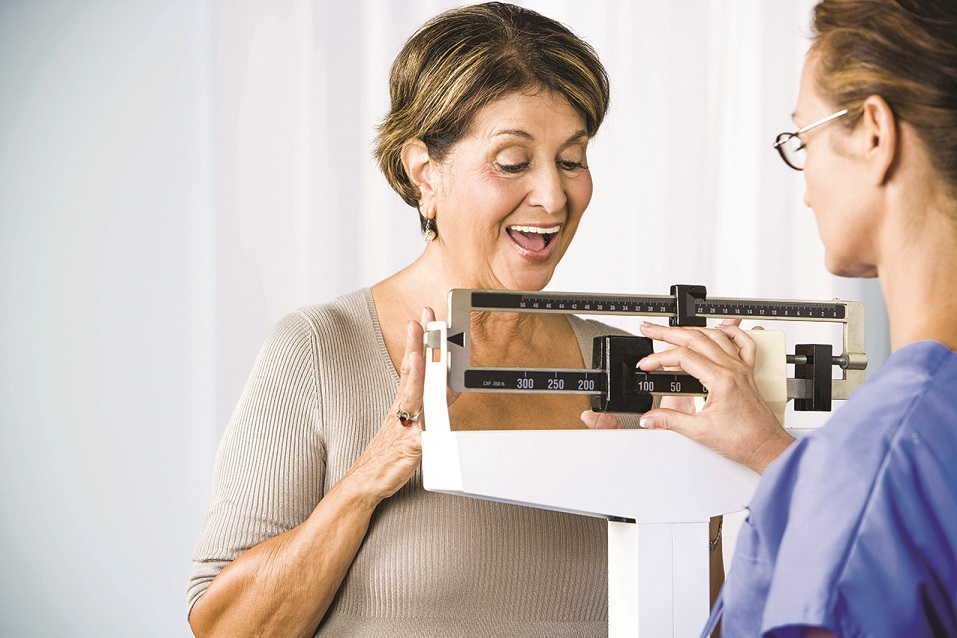
The prevalence of obesity among adults aged 60 and older is significant. According to the Centers for Disease Control and Prevention, 39% of adults in this age group met the criteria for obesity between August 2021 and August 2023.
The National Council on Aging emphasizes the importance of maintaining a healthy weight as you age. Seniors who are obese, which happens when a person’s body stores excessive fat, face a higher risk of chronic diseases like type 2 diabetes, heart disease, and certain cancers. The NCOA also points out that excess body weight strains the joints, increasing the risk of osteoarthritis and making daily movements harder. People with obesity are also more prone to developing asthma and sleep apnea.
Seniors diagnosed with obesity are encouraged to find safe and healthy ways to lose weight. Fad diets and other quick-weight-loss methods can be risky, but the NCOA highlights that simple lifestyle changes and healthy habits can help seniors lose weight safely.
- Consume nutrient-rich foods. Lean proteins, whole grains, fruits, and vegetables provide numerous vitamins, minerals, and fiber but are generally low in calories. This makes them excellent choices for those aiming to lose weight, as they help promote feelings of fullness without consuming many calories.
- Incorporate physical activity into your daily routine. Exercise can be challenging for older adults who are obese. The joint problems that often come with obesity can make traditional exercises that involve strength training and moderate to vigorous aerobic activities very difficult and potentially risky. However, the NCOA notes that exercise doesn’t need to be intense to be beneficial. Walking is an excellent physical activity for older adults. Swimming is also a great choice, as it provides a full-body workout that is gentle on the joints. Seniors should talk with their doctors about physical activities they can safely perform.
- Don’t underestimate sleep. Sleep can be a powerful ally for seniors trying to lose weight. The NCOA notes that seven to nine hours of sleep per night supports a healthy metabolism and helps control hunger. Seniors who struggle to fall asleep can try different strategies, from avoiding afternoon caffeine to staying off screens after dinner, to help their bodies rest better at night.
- Work to combat stress. The NCOA reports that stress contributes to weight gain. And stress and disorders linked to it are perhaps more common among adults 60 and over than people realize. In fact, according to the Anxiety and Depression Association of America, anxiety disorders, which are a notable source of ongoing stress, are the most widespread mental health condition among older adults. Sufficient sleep, meditation, and deep breathing exercises can help seniors combat stress, and that in turn may help older adults avoid excess weight gain.
Obesity is a problem among older adults. Finding safe ways to lose weight can have a profound effect on seniors’ short- and long-term health.