
Summer Pool Party Safety
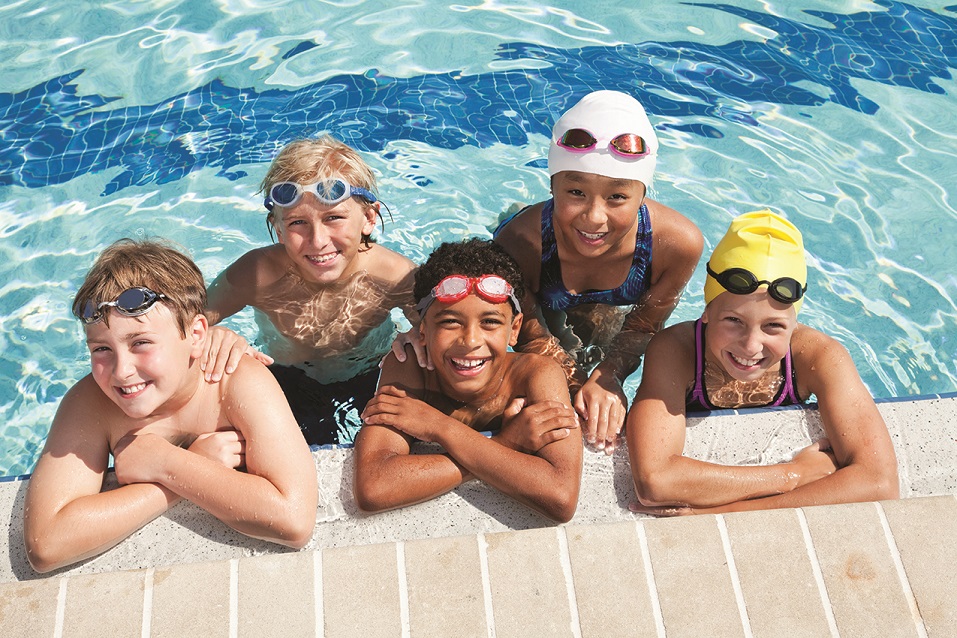
A backyard pool opens the door to endless summer memories. There might be no better spot to gather when the sun is out and the heat is intense than the cooling waters of a backyard pool. While a pool can be an enjoyable and relaxing feature of a home, it also comes with important responsibilities.
Recent findings from the U.S. Consumer Product Safety Commission show that drowning and submersion incidents among children remain high. In 2020, 339 children under age 15 fatally drowned, and in 2021, that number increased by 12%. Young children (age 5 and under) account for 75% of child drowning deaths and 77% of nonfatal injuries.
Pool safety concerns and drowning incidents are mostly preventable. By staying current with safety standards and being vigilant when hosting others, people can help ensure the pool remains a safe place to relax and enjoy.
Install physical barriers.
Modern safety standards require separating the pool from neighbors, the home, and the yard. The Centers for Disease Control and Prevention says a fence that is at least four feet tall and completely encloses the water can cut a child’s drowning risk by up to 83% compared to three-sided property-line fencing. Gates should be self-closing and self-latching, and entryways to the pool should swing outward away from the water. New smart lock technology can alert homeowners if a gate is left open.
Visual supervision is essential.
No technology can replace a human. Someone must be assigned to watch the water whenever anyone is swimming, especially during parties when larger crowds are using the pool. The person should have no phone, book, or other distractions and should remain sober. The CPSC recommends that this “water watcher” perform the task for a designated period and then be rotated out. Those hosting a party might consider hiring a lifeguard, even if they have an above-ground pool, to ensure everyone’s safety.
Set clear rules.
While pools can be fun, it’s important that everyone stays safe around the water. Party hosts can set rules, such as no running or diving. Consider removing large floats or extra toys from the pool, as these can block views and hide someone who is struggling or drowning. Other rules could include not drinking alcohol while swimming and scheduling separate swim times for kids and adults, since bigger adults might take over the pool and make it harder for younger swimmers.
Keep safety gear nearby.
Rescue equipment, such as a shepherd’s hook and a U.S. Coast Guard-approved life ring, should always be poolside. At least one person in the household should be trained in CPR. Survival rates and neurological outcomes for drowning victims significantly improve when CPR is administered immediately, according to the American Heart Association.
Planning a pool party involves more than just balancing water chemicals and providing refreshments. Ensuring the safety of swimmers should be the top priority.