
Cyclospora Outbreak: How to Protect Yourself While Enjoying Fresh Produce
By Annette Pinder
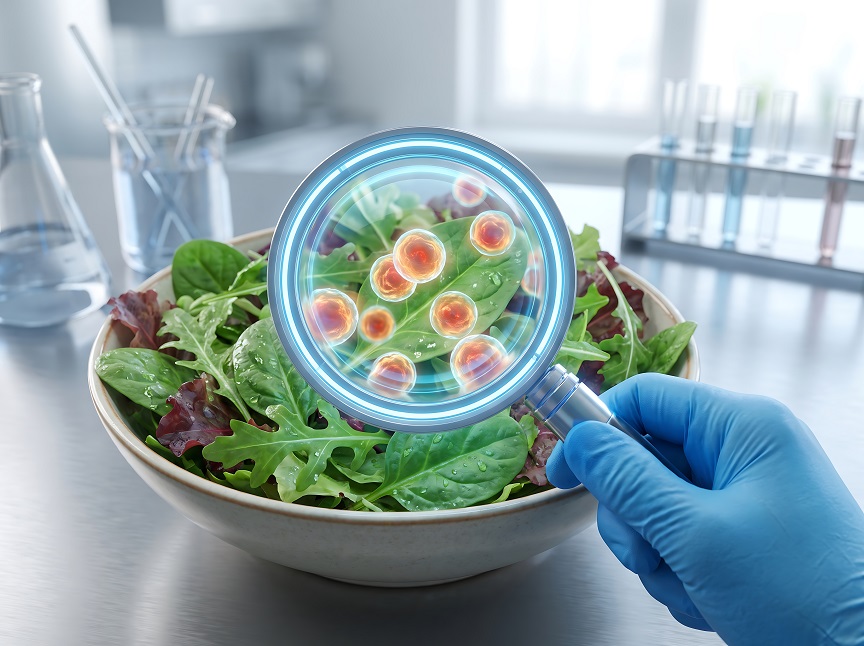
A growing outbreak of Cyclospora, a microscopic parasite that causes severe diarrhea, has prompted health officials across the United States to investigate one of the largest foodborne illness outbreaks in recent years. While the source has not yet been confirmed, investigators believe contaminated fresh produce—possibly lettuce or salad greens—may be responsible for many of the reported cases.
Although the news may sound alarming, experts emphasize that there is no need to stop eating fruits and vegetables. Fresh produce remains an important part of a healthy diet, and the overall benefits far outweigh the current risk. Instead, they recommend following a few simple food safety practices to reduce your chances of becoming ill.
Cyclospora is a parasite that can contaminate food or water through contact with infected human waste. Unlike many stomach viruses, it does not spread directly from person to person. Symptoms usually appear one to two weeks after exposure and may include watery diarrhea, stomach cramps, nausea, fatigue, bloating, loss of appetite, and sometimes weight loss. Without treatment, symptoms can last for several weeks or even longer.
The good news is that there are several steps you can take to protect yourself.
Wash fresh fruits and vegetables thoroughly under cool running water before eating, cutting, or cooking them. Wash your hands with soap and water before handling food, and clean cutting boards, knives, countertops, and refrigerator shelves regularly. Experts do not recommend washing produce with soap, bleach, vinegar, baking soda, or commercial produce washes, as there is no evidence that these methods remove Cyclospora more effectively than running water, and some may leave harmful residues.
Whenever practical, cooking vegetables provides an added level of protection because heat destroys the parasite. While many foods linked to Cyclospora—such as lettuce, herbs, and berries—are often eaten raw, properly cooked foods are not considered a source of infection.
If you develop persistent diarrhea lasting more than a few days, especially after eating fresh produce or traveling, contact your healthcare provider. Cyclospora is not routinely included in standard stool tests, so your provider may need to order a specific test if the infection is suspected. Fortunately, once diagnosed, the illness can usually be treated successfully with prescription antibiotics.
Public health officials continue to investigate the outbreak and expect to learn more in the coming weeks. Until a specific food source is identified, the best advice remains simple: continue enjoying a diet rich in fruits and vegetables, practice good food safety habits, and seek medical care if symptoms become severe or prolonged.
Sources: Centers for Disease Control and Prevention (CDC); U.S. Food and Drug Administration (FDA); Associated Press; Tufts Medicine; Penn State Extension.