Could a COVID-19 Vaccine Help Protect Your Heart?
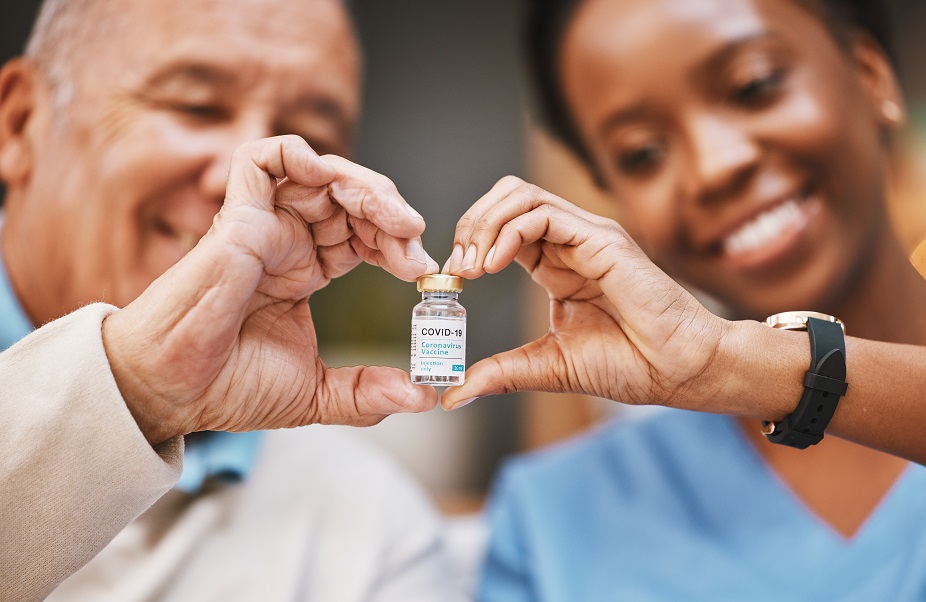
For years, concerns about COVID-19 vaccines and heart health have circulated widely, particularly on social media. While rare cases of myocarditis—an inflammation of the heart muscle—have been linked to some COVID-19 vaccines, especially among adolescent and young adult males, growing research offers a broader picture of vaccination and cardiovascular health.
According to Med-Page Today, several recent studies suggest that COVID-19 vaccination may be linked to a lower risk of serious cardiovascular events, including heart attacks and cardiovascular death. One of the largest studies, published in JAMA Internal Medicine in June 2026, analyzed health records of more than one million U.S. veterans who received an influenza vaccine during the 2024–2025 vaccination season. About one-third also received an updated COVID-19 vaccine. Researchers found that receiving the COVID-19 vaccine was associated with a 37.7% lower risk of major adverse cardiovascular events related to COVID-19. These events included cardiovascular death, heart attack, stroke, and hospitalization for heart failure.
When researchers examined individual outcomes, they found that the COVID-19 vaccination was associated with a 57.9% lower risk of COVID-related cardiovascular death, a 38.5% lower risk of heart attack, and a 41.9% lower risk of hospitalization for heart failure. The greatest benefit was observed among adults older than 75 and among people with existing health conditions. Researchers also found an association between vaccination and a nearly 24% reduction in major cardiovascular events from all causes—not only those formally linked to a diagnosed COVID-19 infection.
Why might a COVID vaccine help protect the heart?
COVID-19 itself can affect the cardiovascular system. Infection with the SARS-CoV-2 virus can trigger inflammation, damage blood vessels, and increase the risk of blood clots and other cardiovascular complications. Researchers believe some COVID-related heart problems may go unrecognized because many people with mild infections no longer get tested for the virus. Another large population-based study, published in PLOS Medicine in 2026, examined more than 6.3 million apparently healthy people ages 12 to 50 in Ontario, Canada. Researchers found no evidence that COVID-19 vaccination increased the risk of sudden death. Their findings did not support claims that COVID-19 vaccines are causing sudden cardiac deaths among healthy younger adults.
These findings align with previous large-scale research. A study of nearly 46 million adults in England found that the incidence of common cardiovascular conditions, including heart attacks and strokes, was generally similar or lower after COVID-19 vaccination than before or in the absence of vaccination.
While researchers caution that observational studies cannot prove that vaccination directly prevents every cardiovascular event, they say that the growing body of evidence challenges the claim that COVID-19 vaccines broadly damage the heart. Instead, the research suggests that preventing or reducing the severity of COVID-19 infection may also help reduce some of the cardiovascular complications associated with the virus.
Article Sources: JAMA Internal Medicine, 2026; PLOS Medicine, 2026; Med-Page Today 2026; Nature Communications, 2024.