The Dangers of Flooding Hit Close to Home
Western New Yorkers are accustomed to preparing for snowstorms and blizzards. But increasingly, another weather threat deserves our attention: intense rainfall and flash flooding.
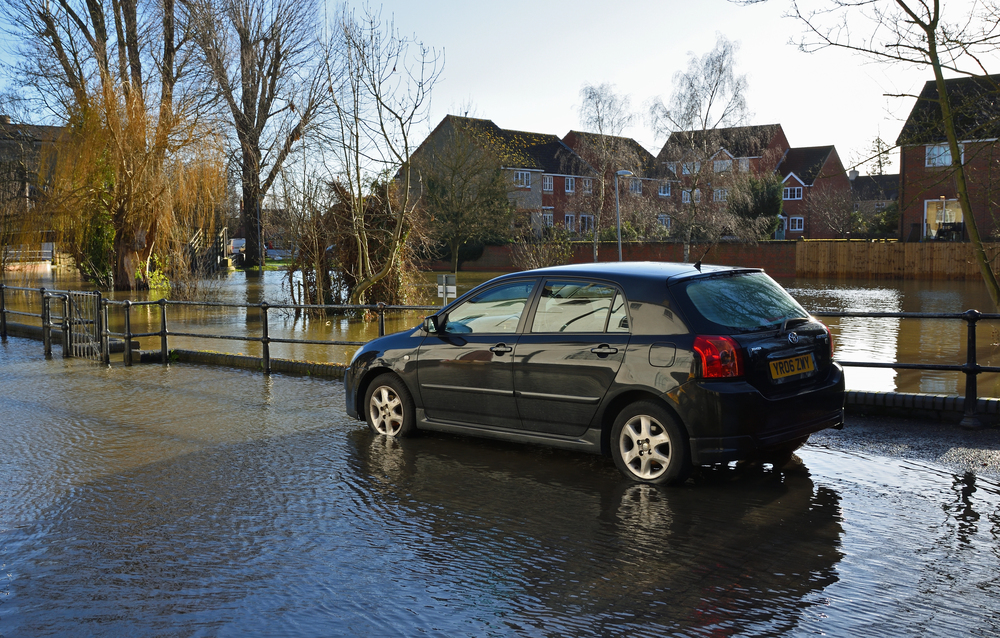
Recent heavy rains brought that danger close to home. In early September, the National Weather Service issued flash-flood warnings across portions of Western New York as thunderstorms dumped several inches of rain in some communities. Roads flooded, and rapidly rising water threatened streets, underpasses, small creeks, streams, and other low-lying areas.
Scientists say New Yorkers should expect heavy rainfall to remain an important concern. According to the New York State Climate Impacts Assessment, the state has already experienced increases in total precipitation and heavy precipitation events, and these trends are expected to continue. As the climate warms, heavy rainstorms capable of causing flooding are projected to become more frequent.
A warmer atmosphere can hold more moisture, creating conditions for heavier precipitation. That doesn’t mean climate change can be blamed for every individual storm. However, increasing precipitation and more frequent intense rain events are among the documented and projected effects of a changing climate in New York.
Flooding Can Happen Quickly.
Flash flooding is particularly dangerous because conditions can change within minutes. Heavy rain can overwhelm drainage systems and cause creeks and streams to rise rapidly. Urban and suburban areas can also be vulnerable when large amounts of rain fall faster than stormwater systems can handle it.
Floodwater Can Be Deadly.
One of the greatest dangers occurs when people attempt to drive through flooded roads. Water can conceal washed-out pavement and other hazards, and even relatively shallow moving water can make a vehicle difficult to control. The National Weather Service’s advice is simple: “Turn Around, Don’t Drown.” Never drive around barricades or assume you know how deep floodwater is.
Homes and Infrastructure Are Also at Risk.
Floodwaters can damage homes, businesses, roads, bridges, utilities, and other infrastructure. Western New York faces some particular challenges. Flooding within the Buffalo Creek watershed, for example, can result from intense short-duration storms as well as longer periods of precipitation. Rain combined with snowmelt and ice jams can create additional flood risk.
Know What to Do.
Pay attention to weather alerts when heavy rain is forecast, especially if you live near a creek, stream, low-lying area, or location that has flooded previously. A flood watch means conditions are possible; a warning means flooding is occurring or imminent. If officials tell you to evacuate, don’t wait. Move to higher ground and never walk or drive into floodwater.
Western New York will always be known for snow. But the changing climate means we need to prepare for other kinds of extreme weather, too. As episodes of heavy rain become more common, understanding the dangers of flooding—and knowing how to respond—can help protect homes, communities, and lives.