
Subtle Signs of Bullying
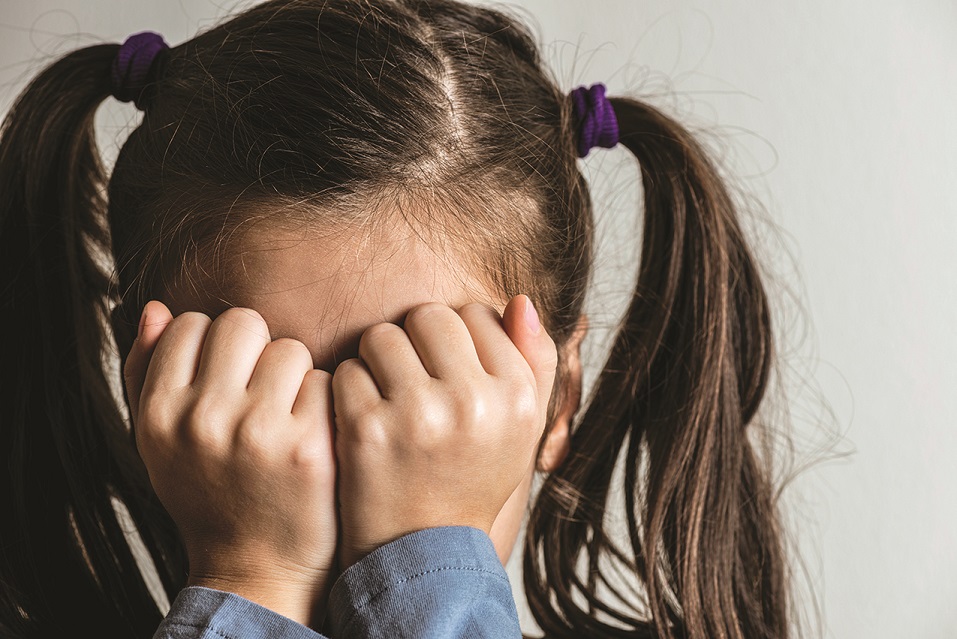
Bullying is a problem that affects children of all ages. According to StopBullying.gov, about 20% of students ages 12 to 18 experience bullying. Bullying occurs most often during the middle school years and is frequently not reported by the targeted children.
- Kids often feel embarrassed, fearful, or hopeless about talking about being bullied. That can compromise parents’ ability to recognize when it is happening to their child. Kids can also be bullied in places where they previously felt safe. With bullying no longer confined to the schoolyard, cyberbullying allows harassment to follow kids into their homes. Caregivers and parents can look for these subtle indicators that bullying is taking place.
- According to StopBullying.gov, unexplained physical signs are often the most direct red flags that a child is being bullied. Bullied children frequently experience unexplained cuts, bruises, or scratches. Frequent complaints of headaches, stomachaches, or feeling sick, especially on school mornings, may also be an indicator.
- Bullied children may return home from school with damaged or missing belongings or with missing school supplies. If a child is especially hungry upon returning home from school, that could indicate that lunch money or the lunch itself was stolen.
- Drastic shifts in mood and daily routines may signal distress caused by bullying. Many children who were previously outgoing may become withdrawn or clingy. Outbursts or defensive behavior may also occur.
- Self-esteem wanes when a child is bullied, so the child may withdraw from sports or other activities.
- A child who is being cyberbullied may start to avoid using a phone, tablet, or computer.
There is no single sign that a child is being bullied, but a pattern of subtle changes often indicates something is awry. A nonjudgmental and supportive conversation can help kids feel safe and supported.