
Can Preterm Births Be Prevented?
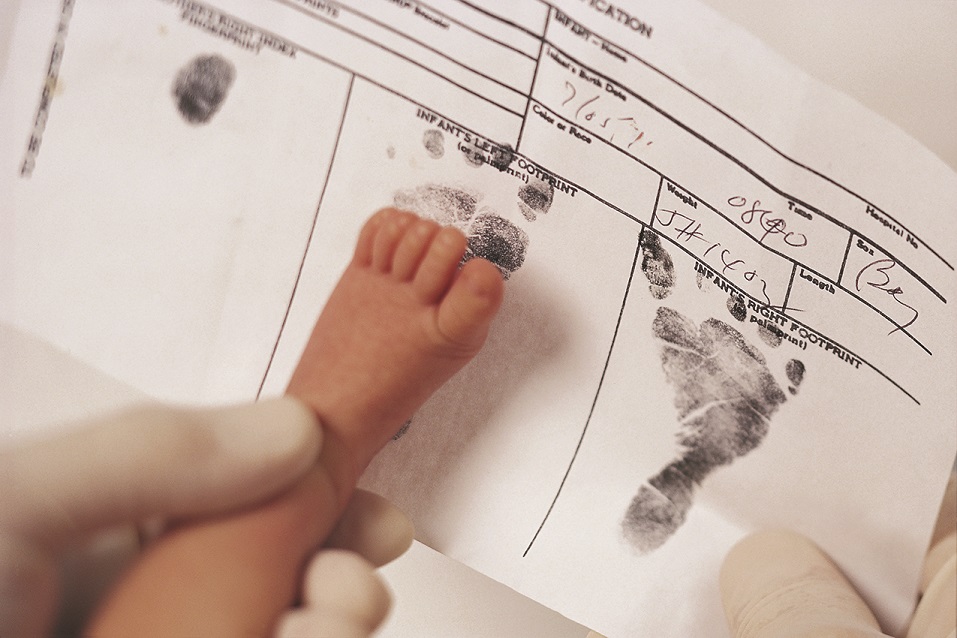
A preterm birth is defined as a baby born alive before 37 weeks of pregnancy are completed. The World Health Organization indicates that subcategories of preterm birth include very preterm (28 to less than 32 weeks) and extremely preterm (less than 28 weeks). The March of Dimes reports 380,548 preterm births in the United States in 2022, representing 10.4% of live births.
Babies born before 37 weeks may face health problems that can persist into adulthood. So, what can parents do to prevent prematurity? Some women are more likely to go into labor, including those with a short or weak cervix or fibroids, according to Nemours Health. However, preterm labor may also result from lifestyle choices, and some cases are hereditary. Women can also take steps to reduce the risk of preterm birth.
- Space out pregnancies. NYU Langone reports that the risk of preterm labor increases when there are six months or fewer between a birth and the next pregnancy. Doctors recommend waiting at least 12 months between pregnancies, especially for women who have previously experienced preterm labor.
- Address health issues. Diabetes, high blood pressure, and preeclampsia can cause problems during pregnancy that may lead to preterm labor. Sexually transmitted diseases and infections of the uterus, urinary tract, or vagina can affect the length of gestation.
- Get prenatal care. Women who do not receive adequate prenatal care from the start of their pregnancies may be at risk of having a premature baby.
- Reduce stress. Elevated stress levels can increase the risk of preterm birth.
It is important that pregnant women stop smoking, drinking alcohol, and abusing prescription drugs, as these behaviors are also linked to preterm birth. There are many risk factors for preterm birth, but women can take steps to reduce that risk.