
Risk Factors for Pet Cancers
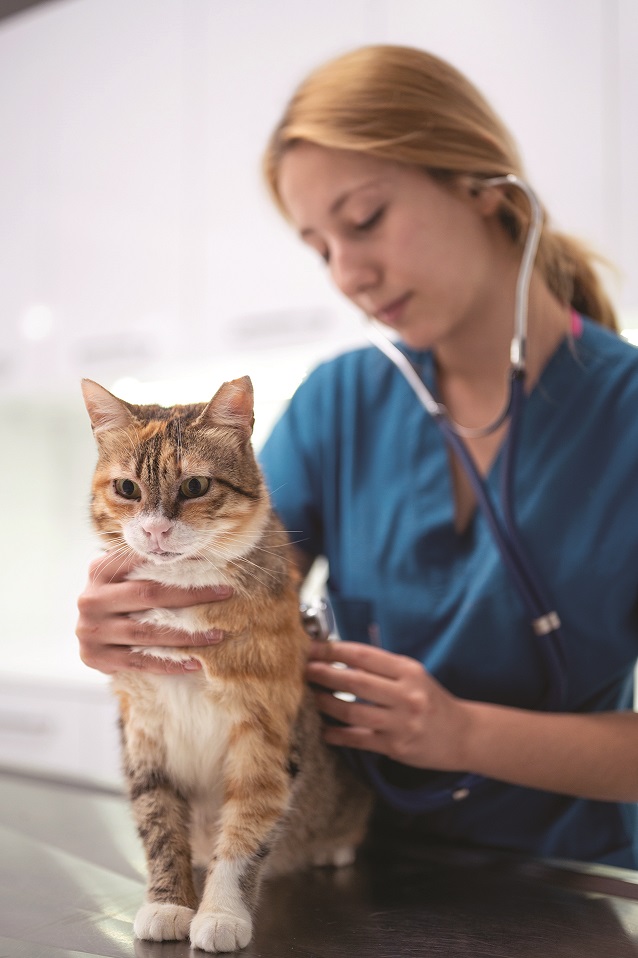
Courtesy of the Niagara Frontier Veterinary Society
Companion animals fill people’s lives with joy, so it’s no wonder that many households have pets, big and small. Pet owners never want to think about a time when their animals become ill, but they should recognize that certain medical conditions affect pets and that some are at higher risk of illness than others.
Data from the Veterinary Cancer Society indicate that cancer is a significant health challenge for domestic animals. Roughly one in four dogs and one in five cats will develop cancer during their lifetimes, and the disease accounts for about 47% of deaths in dogs over age 10. Although it’s impossible to pinpoint every scenario that can lead to a cancer diagnosis, veterinary researchers have identified a range of risk factors that influence a pet’s likelihood of developing cancer.
Age is the single strongest predictor of cancer in pets.
As any animal ages, the likelihood of genetic mutations during cell division increases, and the body’s natural DNA repair mechanisms become less efficient. According to data cited in the Merck Veterinary Manual, declining immune function in aging pets allows precancerous cells to grow undetected, driving up cancer incidence in older pets.
Genetics and breed:
Purebred animals experience significantly higher rates of cancer than those of mixed lineage. Selective breeding that concentrates specific genetic traits increases the risk of certain malignancies. Embrace Pet Insurance reports that large and giant dog breeds, such as Irish Wolfhounds, Great Danes, and Rottweilers, have a heightened risk of bone cancer (osteosarcoma) due to rapid cellular growth during development. Golden Retrievers, one of the most popular family dog breeds, have elevated rates of hemangiosarcoma and histiocytic sarcoma, which increase their overall cancer mortality rates.
Environment:
Hazards in and around a typical household can contribute to cancer risk. The Niagara Frontier Veterinary Society links secondhand tobacco smoke to a higher incidence of feline lymphoma and canine nasal tumors. Lawn chemicals, pesticides, and herbicides have been associated with an increased risk of bladder cancer. UV exposure is also a documented risk factor for skin cancer in light-skinned or short-haired breeds.
Viral infections:
These infections are a major driver of cancer in cats. Feline leukemia virus and feline immunodeficiency virus increase the risk of feline cancers.
Hormones:
Unspayed female pets are at higher risk of developing mammary gland tumors. Research shows that more than 85% of feline mammary tumors are malignant, but spaying a cat before its first heat can reduce this risk by up to 90%.
Recognizing cancer risk factors may prompt pet owners to take proactive steps to protect their companion animals.
The Niagara Frontier Veterinary Society (NFVS) comprises more than 80 small-animal hospitals and over 240 practitioners in Erie and Niagara Counties. As a not-for-profit organization, NFVS advances public awareness and understanding of companion animal healthcare, veterinary services, and the veterinary profession. Learn more at NFVeterinarySociety.org, by emailing info@nfveterinarySociety.org, or by writing to P.O. Box 4, Grand Island, NY 14072-0004.