
The Impact of Diabetes on the Eyes
Diabetes is characterized by improper insulin production or use, which affects the amount of glucose in the blood. High blood sugar can create a cascading effect that makes people vulnerable to many health-related issues, some of which are less recognizable than others. For example, diabetes can lead to vision loss.
According to the Centers for Disease Control and Prevention, diabetes can affect the eyes by damaging the microvasculature (tiny blood vessels) that nourish the retina. The retina is the light-sensitive tissue lining the back of the eye. When high blood sugar becomes chronic, it weakens these capillaries, causing them to swell, leak fluid, or close off completely. As a result of reduced blood flow, the eye produces fragile blood vessels that may bleed easily, often leading to scar tissue and significant visual impairment, according to the National Eye Institute. This is just one of the many ways the eye can be affected.
Diabetes has been linked to many different types of vision loss.
Diabetic retinopathy:
This is the most common cause of vision loss in working-age adults, according to Genetech. Diabetic retinopathy occurs when tiny blood vessels swell, form microaneurysms, and leak fluid into the retina. As the retinopathy advances, oxygen-deprived retinal tissue signals the growth of fragile new blood vessels that can leak into the clear gel filling the eye or trigger scar tissue formation that can cause the retina to detach.
Diabetic macular edema (DME):
This is a major complication of diabetic retinopathy that occurs when fluid accumulates in the macula, the central portion of the retina. The macula is responsible for sharp, straight-ahead vision. DME blurs central vision, making tasks like driving, reading and recognizing faces more difficult, according to the American Journal of Managed Care®.
Glaucoma:
Poor circulation and abnormal vessel growth can block the eye’s internal drainage system, raising intraocular pressure. This damages the optic nerve. The American Academy of Ophthalmology warns that diabetes doubles the risk of developing glaucoma.
Cataracts:
High glucose levels in the ocular fluids can cause the lens to swell and accumulate sugar-alcohol deposits. This may lead to premature clouding of the lens.
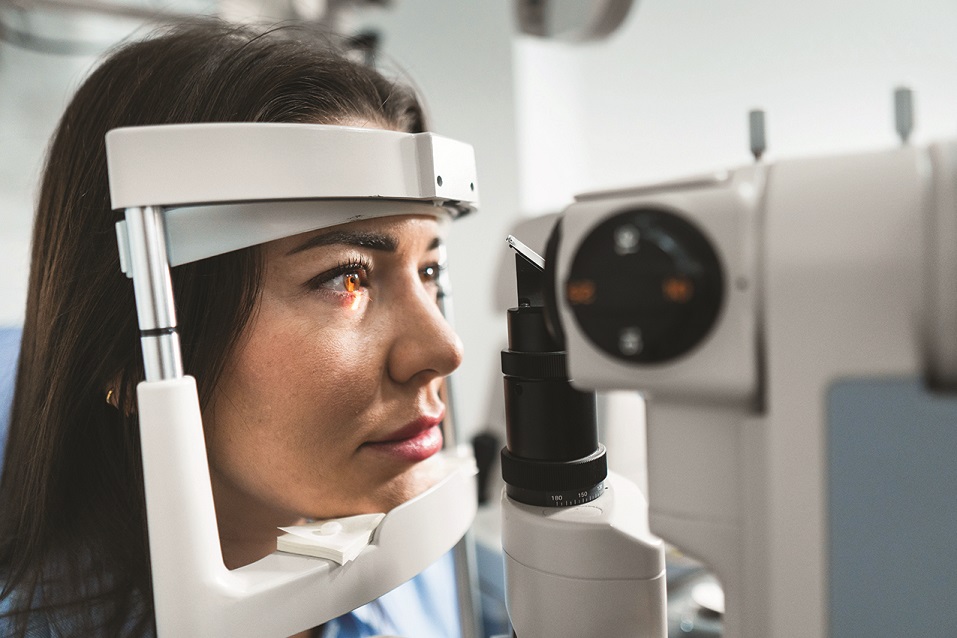
Diabetic eye damage often develops slowly. The early stages are often asymptomatic, but as the disease advances, symptoms may appear. This underscores the importance of annual dilated eye exams, when eye doctors can examine the eye’s blood vessels to check for damage before visual symptoms appear.
Sometimes an eye exam may be the first indication that a person has diabetes. Managing glucose levels can significantly slow damage to the retinal tissue.