
Maintaining Oral Health Daily
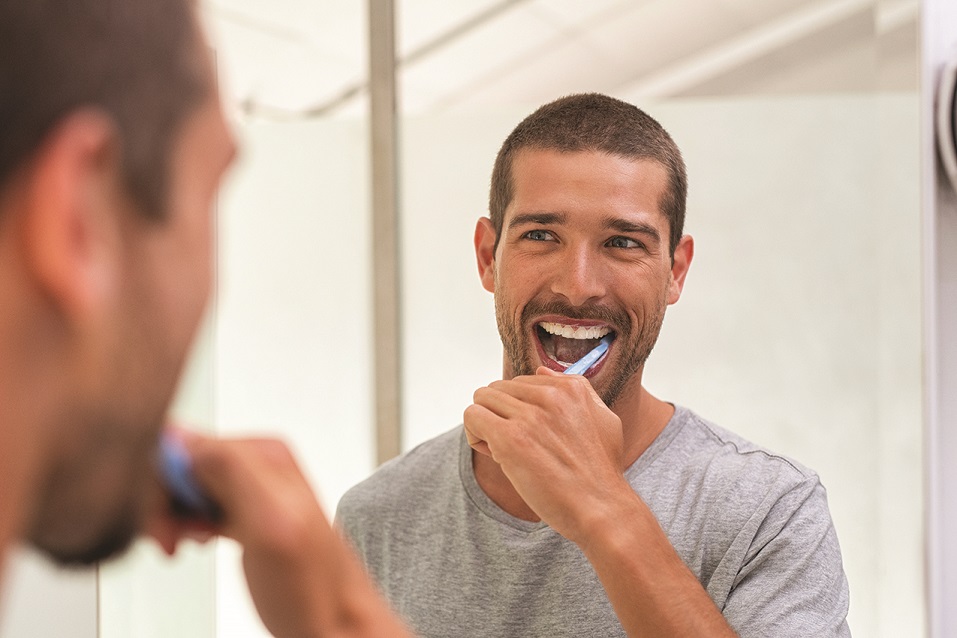
A bright and healthy smile offers more than cosmetic benefits. When individuals prioritize oral hygiene, they’re also protecting their overall health and laying an important foundation for a long, healthy life.
The Mayo Clinic notes that poor oral health can be a contributing factor to various conditions, including cardiovascular disease and an infection of the heart’s inner lining known as endocarditis. By prioritizing oral health, individuals not only reap outward benefits, like a bright smile they can be proud of, but also internal benefits that are no less significant. Perhaps the best thing about oral health is how simple it can be to maintain. Indeed, some daily dental habits can help people protect their oral health, and thus their overall health, for years and years to come.
Brush twice per day (at least)
Brushing twice a day for two minutes each time has been the go-to brushing advice for some time. The Oral Health Foundation notes that brushing twice daily with fluoride toothpaste is the most effective way to safeguard oral health.
Consider brushing before breakfast
Individuals who eat breakfast at home might want to brush their teeth before breakfast or wait 30 minutes after finishing. The OHF notes that brushing before breakfast coats the teeth with fluoride, which can form a protective layer against acids found in food and drinks. Brushing immediately after exposure to acidic foods and drinks, such as fruit and coffee, can wear down enamel. If you prefer to brush after eating breakfast, wait at least 30 minutes before reaching for your toothbrush.
Gently use a toothbrush with soft bristles
Soft brushes feature less densely packed bristles, which makes it easier for the bristles to bend during brushing. That’s gentler on the teeth and gums. The Cleveland Clinic recommends replacing a toothbrush every 3 to 4 months, but more frequent replacement may be necessary if the brush becomes damaged. In such instances, replace the brush immediately. When brushing, do so gently to avoid aggravating the gums. Heavy brushing can lead to a receding gumline, exposing the roots and increasing oral sensitivity.
Floss daily
The Mayo Clinic urges individuals to clean between their teeth each day. Traditional floss, floss picks, a water flosser, and other products help to remove plaque and trapped food particles from between the teeth that a toothbrush cannot reach. If such particles remain between the teeth, people may be at elevated risk for cavities, gum disease, and/or bad breath.
Avoid sugary foods and beverages
The World Health Organization notes that consumption of free sugars is a major risk factor for tooth decay and cavities. Consumption of sugar-sweetened beverages, such as sodas, and foods high in sugar should be greatly limited, if not avoided entirely.
Some simple daily steps can help people protect their oral health over the long haul.