
The Effects of Trash on the Environment
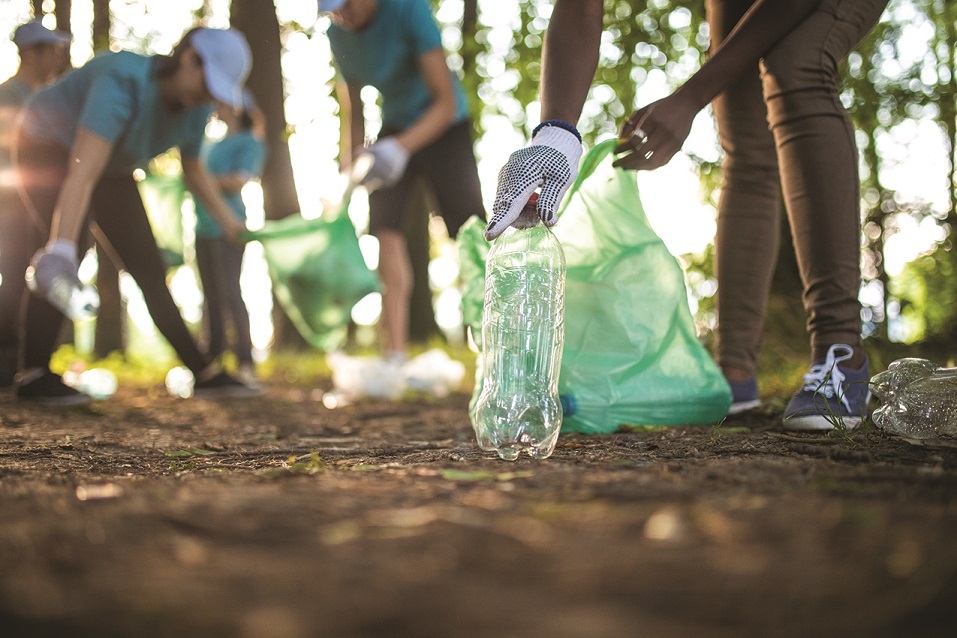
Earth Day is celebrated every year on April 22. It honors the planet and marks the start of the modern environmental movement that began in 1970.
Efforts to raise awareness about environmental issues impacting the planet have always been significant. However, the importance of these efforts increases each year as climate experts and environmental researchers continue to warn that action is necessary to change behaviors that could harm the planet.
One area that might need change involves trash. According to EarthDay.org, 2 billion metric tons of unsustainable, municipal-generated waste are discarded worldwide every year. This waste then enters the environment, impacting the climate and the health of animals and humans. Some research even suggests that the environmental impact of trash could be underestimated.
A 2024 study by researchers at Harvard University’s John A. Paulson School of Engineering and Applied Sciences revealed that the Environmental Protection Agency’s (EPA) estimates of methane emissions from landfills have been significantly underestimated. The Harvard researchers discovered that methane emissions from landfills are 51% higher than EPA estimates suggest. This represents a substantial miscalculation, as methane emissions play a major role in climate change. In fact, EarthDay.org points out that methane has a warming potential more than 80 times greater than carbon dioxide over a 20-year period. The high warming potential of methane underscores the importance of incorporating waste management practices that reduce methane emissions into climate change mitigation strategies.
Trash can also harm wildlife.
It can enter natural settings, including waterways, where it negatively affects marine species. EarthDay.org explains that plastic and other solid waste gradually break down into smaller pieces, making it hard for wildlife, including marine animals, to distinguish between edible food and plastic they should avoid. According to the United Nations Environment Programme, as much as 23 million tons of plastic enter aquatic environments each year.
Trash can also negatively impact human health.
Thousands of chemicals used to produce goods that end up in landfills each year can leach into the environment, as noted by EarthDay.org. Some of these chemicals are endocrine disruptors and/or carcinogens, and exposure to them may raise the risk of health problems such as infertility, cancer, and Alzheimer’s disease, among others.
Trash is a part of daily life.
Recognizing the harmful environmental impact trash can have is crucial as the world seeks to change behaviors that could threaten the health of the planet and its species.
Did you know?
Earth Day is now a global event, but its origins are somewhat humble. Prior to the 1960s, awareness of the link between public health and pollution was minimal. However, according to EarthDay.org, the 1962 publication of Silent Spring by American marine biologist, writer, and conservationist Rachel Carson was a watershed moment for the environmental movement. The book did much to raise awareness of the effects of pollution on public health. Indeed, the publication of Carson’s book proved a pivotal step toward the eventual establishment of Earth Day in 1970, which EarthDay.org characterizes as the dawn of the modern environmental movement.