Why Seasonal Allergies Are Getting Worse
By Annette Pinder
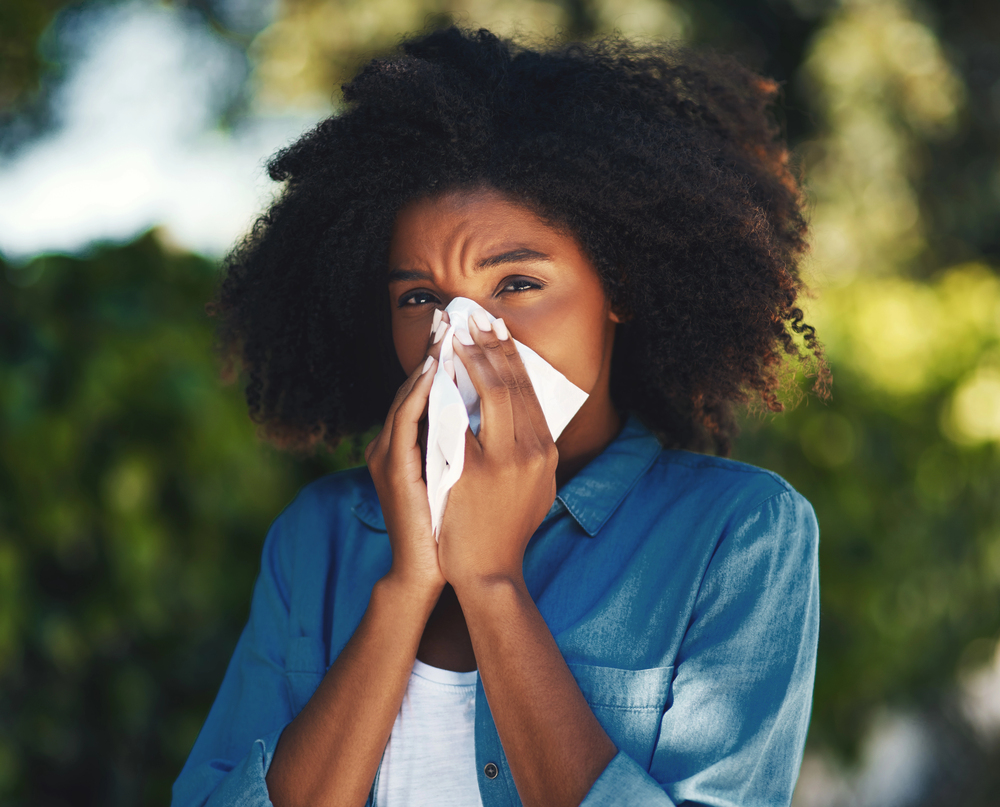
If your seasonal allergies feel worse than they used to, you’re not imagining it. Experts increasingly agree that environmental changes—especially climate change—are intensifying allergy seasons across the United States and beyond.
One of the biggest reasons is warming temperatures. According to the American Lung Association, warmer weather has lengthened the freeze-free season, allowing trees and grasses to pollinate earlier in spring and continue later into fall. As a result, the U.S. pollen season is now about three weeks longer than it was 50 years ago.
Rising carbon dioxide (CO₂) levels are also fueling plant growth and pollen production. Research shows plants now produce roughly 20% more pollen than they did decades ago, increasing exposure for people with allergies. News reports echo these findings, noting earlier, longer, and more intense pollen seasons linked to nationwide warming trends.
Changing weather patterns play a role as well. Warmer winters encourage earlier blooming, while fluctuating rainfall and dry, windy spells can spread pollen more widely. Rainstorms may even worsen symptoms by breaking pollen into smaller particles that penetrate deeper into the lungs.
Other environmental factors contribute. Air pollution from traffic and industry can interact with pollen, making it more allergenic and intensifying symptoms, particularly in urban areas. Climate shifts are also allowing allergenic plants like ragweed to expand into new regions, exposing people to triggers they’ve never encountered before.
For readers across Western New York and similar regions, this means allergy seasons may start earlier, last longer, and feel more severe. Experts recommend beginning preventive medications early, monitoring pollen counts, and using indoor air filtration to reduce exposure.
In short, worsening seasonal allergies reflect broader environmental shifts—making awareness, preparation, and early management more important than ever.