
7 Signs of Spring Allergies
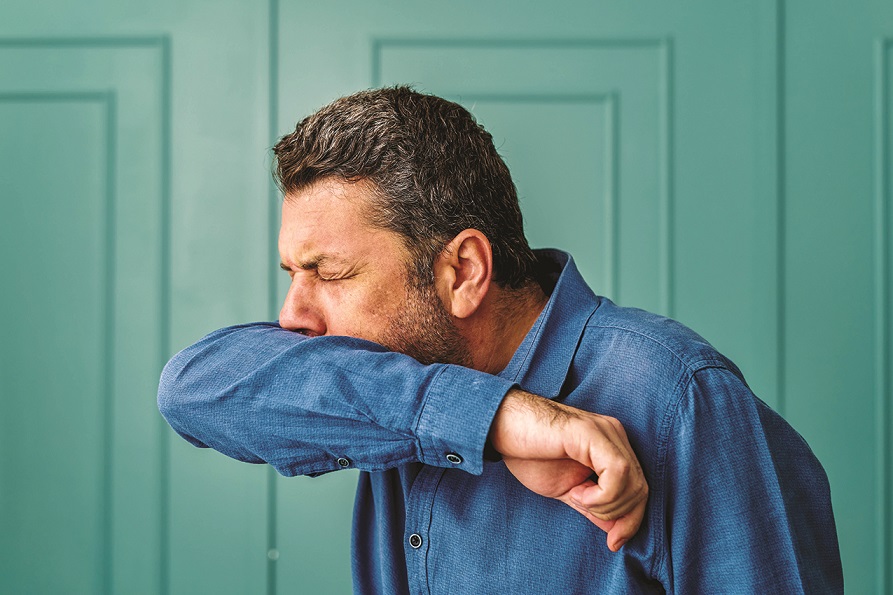
Few things are more deflating than finally venturing outdoors after a long winter of cabin fever, only to discover that blooming trees and flowers begin causing chaos with your personal health.
Spring allergies, also called allergic rhinitis, occur when the immune system overreacts to allergens such as tree and grass pollen, mold, and dust, whether indoors or outdoors. According to the Asthma and Allergy Foundation of America, approximately 25.7% of adults and 18.9% of children in the U.S. experience seasonal allergies. Allergic rhinitis costs approximately $16 billion annually in health care and is a major cause of lost productivity at work.
Recognizing allergy symptoms is essential for distinguishing them from colds or other infections and for providing prompt relief. Spring allergies typically peak from March to May and can persist into July. Doctors will look for specific physical signs to confirm allergies.
- Sneezing: Sneezing can happen in quick bursts, known as paroxysmal sneezing, especially after being outdoors. These severe episodes may be associated with allergies or indicate another underlying health condition, according to the National Institutes of Health.
- Itchy, watery eyes: Allergic conjunctivitis is the medical term for this condition, which is a common sign of spring allergies. Eyes may appear red, feel gritty, or drip clear fluid.
- Nasal congestion or runny nose: A thin, clear discharge usually indicates allergies, while thick, yellow, or green mucus could signal an infection. Constant upward rubbing of the nose due to allergies (known as the allergic salute) often leads to a permanent transverse nasal crease at the junction of the nose tip and the bridge, according to Healthline.
- Itchy throat and ears: Pollen may cause a scratchy or tingling sensation in the throat and ear canals. Medical professionals warn that chronic inflammation from allergies is a primary risk factor for secondary bacterial infections that can develop in the sinuses and ears. Eustachian tube dysfunction happens when fluid accumulates behind the eardrum because the Eustachian tubes become blocked or don’t open properly to allow fluid to drain to the nose and throat, says the Cleveland Clinic. Pressure imbalances, muffled hearing, popping sounds, and even pain can occur.
- “Allergic shiners”: Nasal congestion can cause swelling and increased blood flow in the small veins under the eyes, leading to dark, bluish circles called periorbital hyperpigmentation, says the Center for Orofacial Myology. This makes allergy sufferers appear to have two black eyes.
- Cough: Post-nasal drip occurs when mucus drips down the back of the throat from the nose. This can cause a persistent, dry cough that’s often worse at night. Postnasal drip may also cause a sore throat and a “cobblestone” appearance in the back of the throat, which is visible during a medical exam.
- Fatigue: Insufficient rest due to allergy-related discomfort can cause those with spring allergies to feel fatigued. The persistent immune response to allergies can also lead to daytime fatigue and reduced focus.
Allergic rhinitis is a problem for millions of people each spring. A combination of avoiding triggers and using allergy medications can help alleviate any symptoms that arise.