
5 Mental Health Issues That Affect Kids
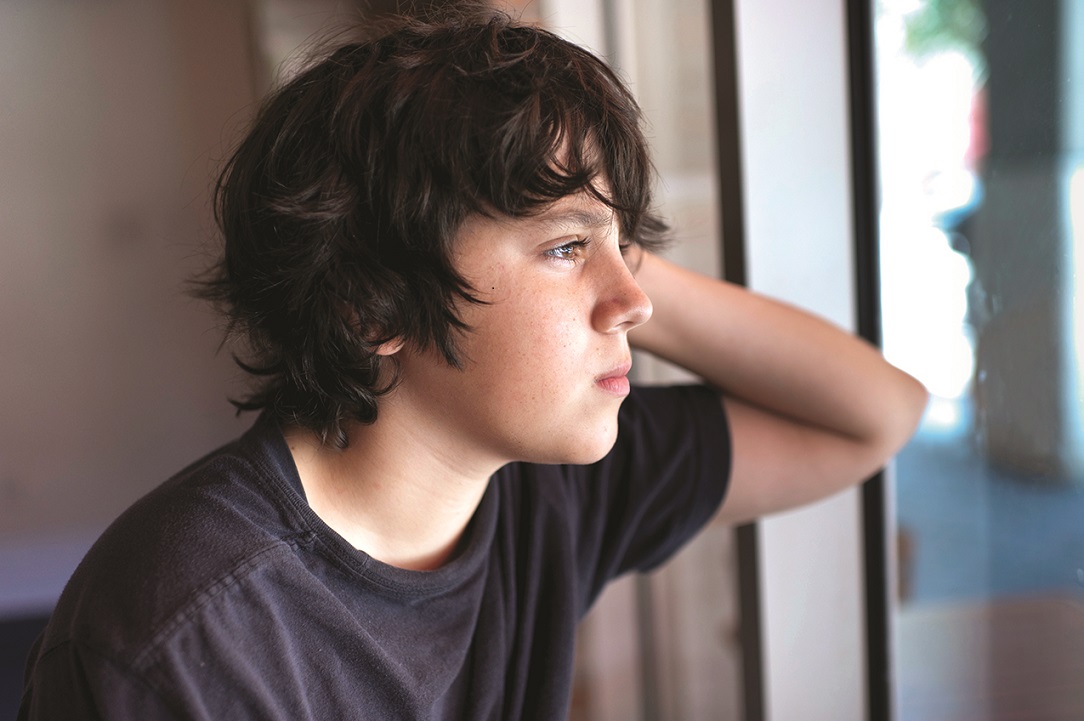
Many mental health conditions often develop during childhood. Parents and caregivers might be unsure whether the behaviors children are experiencing indicate a potential mental health issue or are just a normal stage of development that will pass. For instance, children can be irritable, aggressive, or anxious and may have difficulty sitting still and focusing at times. Determining whether these symptoms are signs of a mental illness or simply a normal part of childhood development may require a thorough assessment by a mental health professional.
The Mayo Clinic states that mental health conditions diagnosed in childhood are often delays or changes in thinking, behaviors, social skills, or emotional regulation. Mental health disorders can interfere with well-being and create obstacles at home, school, or other environments. The National Institute of Mental Health explains that a thorough evaluation of a child’s mental health typically includes a parent interview to discuss the child’s health history and relationships; collecting information from the child’s school; and conducting an interview with the child for behavioral observations and testing, if needed.
Certain mental health conditions are more common among children than other issues, and here’s a look at some that kids may develop.
- Attention-deficit/hyperactivity disorder (ADHD): Meridian Healthcare states that ADHD is a very common mental health disorder among children, affecting about 9 percent of kids under age 17. Key features of ADHD include constant movement, disorganization, difficulty paying attention, and struggles with patience.
- Anxiety disorders: Anxiety disorders are also quite common among children. These issues are characterized by intense fears or worries that are difficult to control. The National Institute of Mental Health states that approximately 15 to 20 percent of children and adolescents experience anxiety disorders. The prevalence of anxiety varies with age, with the ages 12 to 17 having the highest rates. Girls are more at risk than boys.
- Depression: The Cleveland Clinic states that 3 percent of children experience depression. Age is also a factor in depression, with 13.3 percent of adolescents aged 12 to 17 diagnosed with it. Symptoms include feeling worthless or hopeless, low self-esteem, loss of interest in activities, and changes in appetite. These signs must last for two weeks or more to meet the criteria for clinical depression.
- Eating disorders: Eating disorders are characterized by abnormal eating behaviors, which can include eating too much or too little. Anorexia nervosa, bulimia nervosa, and binge-eating disorder can impair children’s social and emotional functioning. Disrupting healthy eating patterns can also have a physical toll on the body.
- Addiction: Children are not immune to addiction. Youngsters can become addicted to alcohol, drugs, social media, gambling, and other substances.
Many children are diagnosed with mental health disorders each year. Although some behaviors may be temporary growing pains that disappear as children get older, others could be signs of a mental health condition.