UB Researchers’ FOXG1 Drug Cleared for Clinical Trials
UB researchers’ FOXG1 drug cleared for clinical trials
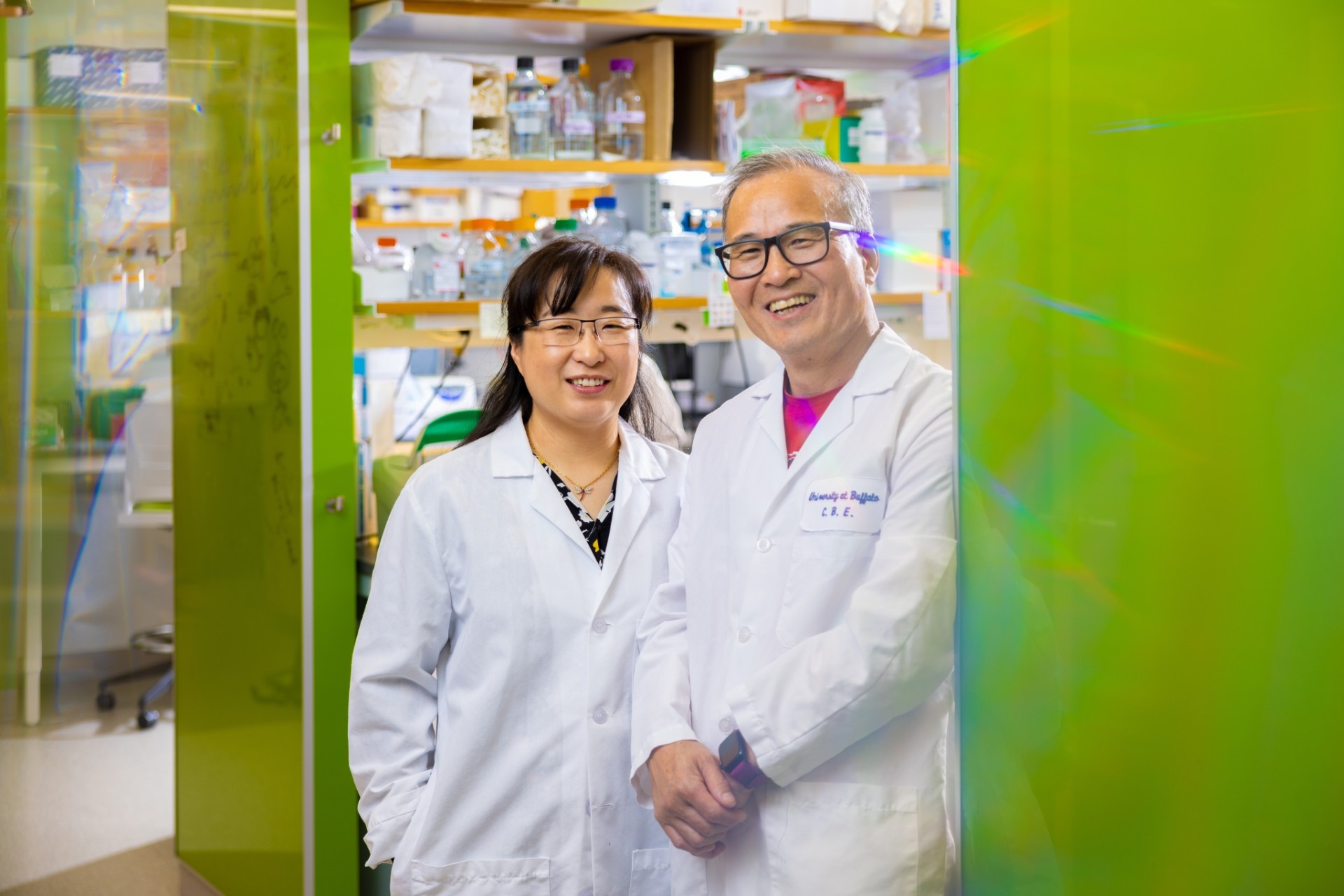
Soo-Kyung and Jae Lee, whose daughter has FOXG1 syndrome, developed gene therapy that could one day treat people with this severe neurodevelopmental disorder
BUFFALO, N.Y. — A drug developed at the University at Buffalo to treat FOXG1 syndrome has been cleared by the U.S. Food and Drug Administration (FDA) to begin clinical trials.
The agency approved an Investigational New Drug (IND) application for FRF-001, a viral gene therapy designed to address the underlying genetic cause of FOXG1 syndrome, a rare neurodevelopmental disorder marked by cognitive and physical disabilities and epilepsy.
FRF-001 was developed by UB biologists Soo-Kyung and Jae Lee, who oversee the FOXG1 Research Center at UB and whose daughter was born with FOXG1 syndrome.
“Reaching a clinical trial reflects the extraordinary commitment of the FOXG1 community, the families who never stopped believing and the incredible support we’ve received from UB,” says Soo-Kyung Lee, PhD, SUNY Empire Innovation Professor and the Om P. Bahl Endowed Professor in the UB Department of Biological Sciences, and director of the FOXG1 Research Center. “This clinical trial is an important step toward turning their hope into real therapies.”
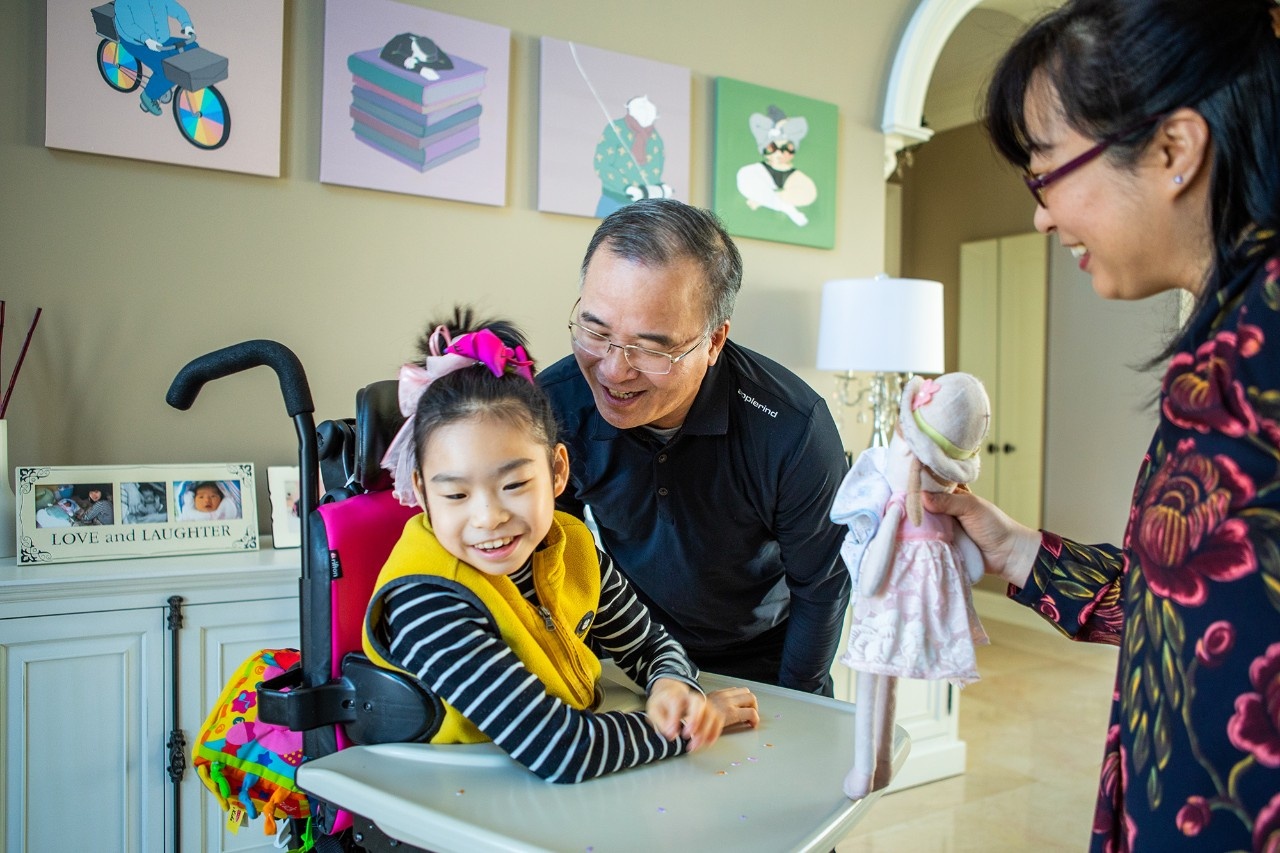
Yuna flashes a big smile as she plays with her father, Jae Lee, and mother, Soo-Kyung Lee (right) in 2020. Douglas Levere/University at Buffalo
FOXG1 syndrome is caused by mutations in the Forkhead Box G1, one of the most important genes for early brain development. This mutation is rare — affecting one in 30,000 individuals worldwide — but the gene has been linked to autism spectrum disorder and certain cancers, suggesting that FOXG1 therapies may be relevant for more common disorders.
The Lees have previously demonstrated that their drug can reverse some brain abnormalities in mice with FOXG1 syndrome, including in parts of the brain associated with language, memory and social interaction. It does so by delivering a functional copy of the FOXG1 gene using an adeno-associated virus 9 (AAV9) vector, making it the first FOXG1 AAV9 gene replacement therapy.
The Lees’ daughter, Yuna, was diagnosed with the disorder in 2012 at the age of 2. The couple, whose earlier research centered on master regulator genes, have since dedicated their careers to studying the disorder.
They joined UB in 2019 and launched the FOXG1 Research Center at UB in 2024 through the support of the UB Office of Research, Innovation and Economic Development, as well as the FOXG1 Research Foundation.
The Lees’ development of FRF-001 has also been supported by UB’s Business and Entrepreneur Partnerships, including leading efforts to patent the drug, negotiating licensing agreements and other support services.
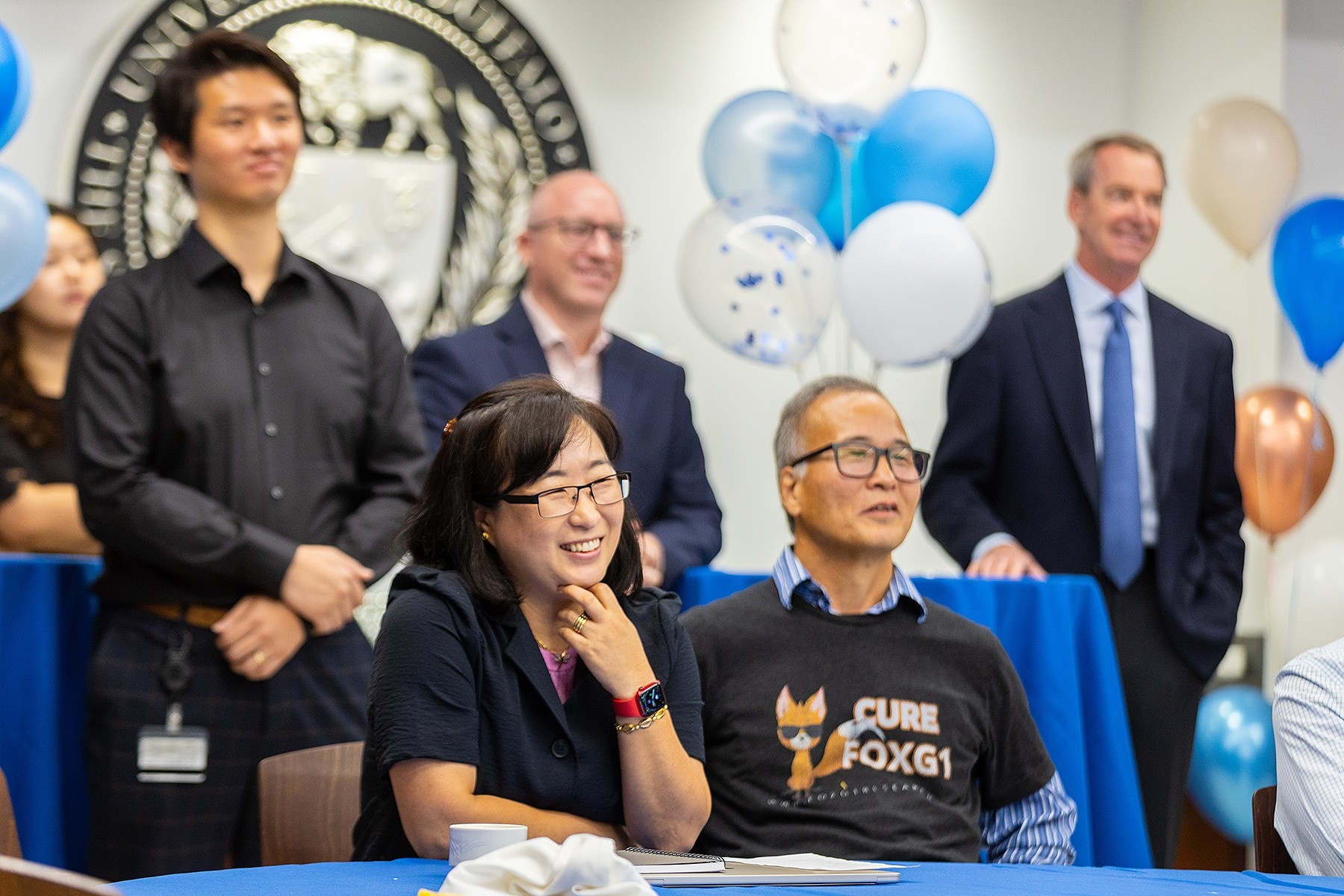
The Lees’ FOXG1 Research Center at UB opened in September 2024 with a ceremonial ribbon cutting. Photo: Douglas Levere/University at Buffalo
“As both scientists and parents of a child with FOXG1 syndrome, this milestone is deeply personal for us,” says Jae Lee, PhD, professor of biological sciences. “It brings hope not only for our daughter, but for all children and families affected by this devastating neurodevelopmental disorder.”
The upcoming first-in-human clinical trial will be conducted across multiple sites and is being independently sponsored by the FOXG1 Research Foundation. The foundation has secured $14.5 million so far through its “Yes, They Can” campaign to advance FRF-001 through patient clinical trials and, ultimately, regulatory approval.
According to the foundation, this is believed to be the first instance of a parent-led rare disease nonprofit foundation independently sponsoring its own multi-site, international gene therapy clinical trial.
“This is parent-led drug development in action,” said Nasha Fitter, co-founder of the FOXG1 Research Foundation and mother to a child with FOXG1 syndrome. “We’ve shown there is another way to advance life-changing therapies for ultra-rare disorders.”