Is It Safe to Eat Snow?
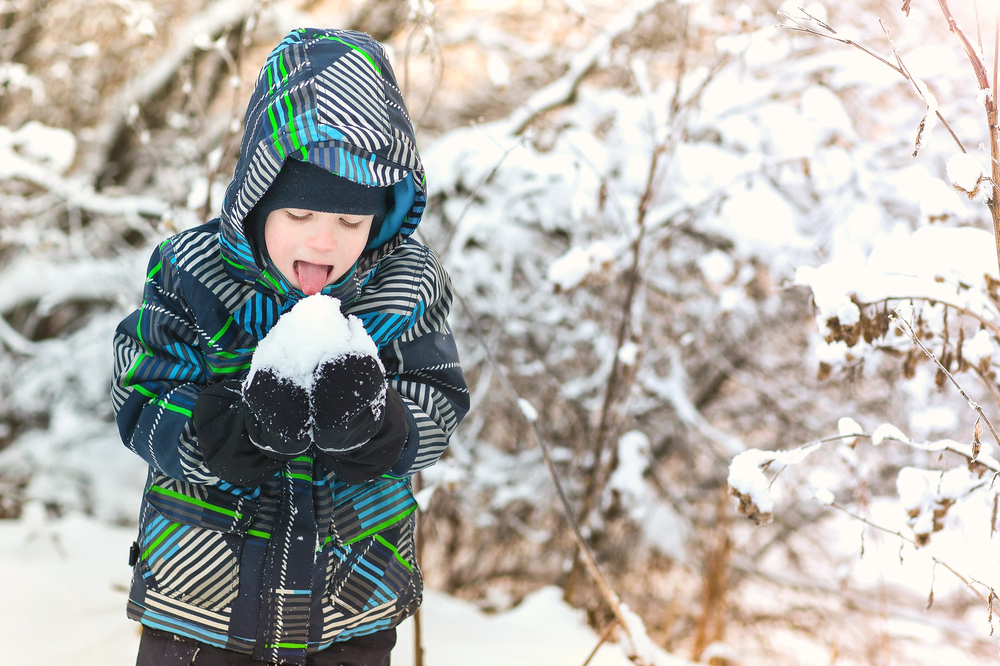
In Buffalo, snow is a way of life. With frequent lake-effect storms and long winters, kids (and adults) spend plenty of time outdoors sledding, shoveling, and building snowmen. It’s no surprise that someone eventually asks: Is it safe to eat snow?
According to the Centers for Disease Control and Prevention (CDC), snow is not sterile. In a pure form, “snow is just frozen water,” says Susan Besser, M.D., a primary care physician at Mercy Medical Center in Baltimore. However, she points out that snow can be mixed with various substances, including debris.
Snowflakes form around tiny airborne particles such as dust, pollen, soot, and bacteria. As snow falls through the atmosphere—and especially during heavy lake-effect events—it can collect pollutants before it even reaches the ground. Once snow lands, additional risks come into play. According to the Environmental Protection Agency (EPA), ground snow may absorb vehicle exhaust residue, road salt, oil, pesticides, and heavy metals. In Buffalo, where roads and sidewalks are heavily salted for safety, snow near streets, driveways, and plowed piles is particularly unsafe.
According to Prevention Magazine, eating a small amount of snow at home after a storm—especially during playful moments—is generally not a huge deal. “It is safe in small quantities,” says Diane Calello, MD, medical and executive director of the New Jersey Poison Information and Education System. “A small amount is non-toxic,” she explains—think a quick bite of a clean snowball, not a bowlful.
Still, experts advise against making it a habit. Children may eat larger amounts or grab snow from unsafe locations. Bottom line for Buffalo families: An occasional nibble of freshly fallen snow is unlikely to cause harm—but snow is best enjoyed for winter fun, not as food.