
New Report Exposes the Limits of Plastic Recycling
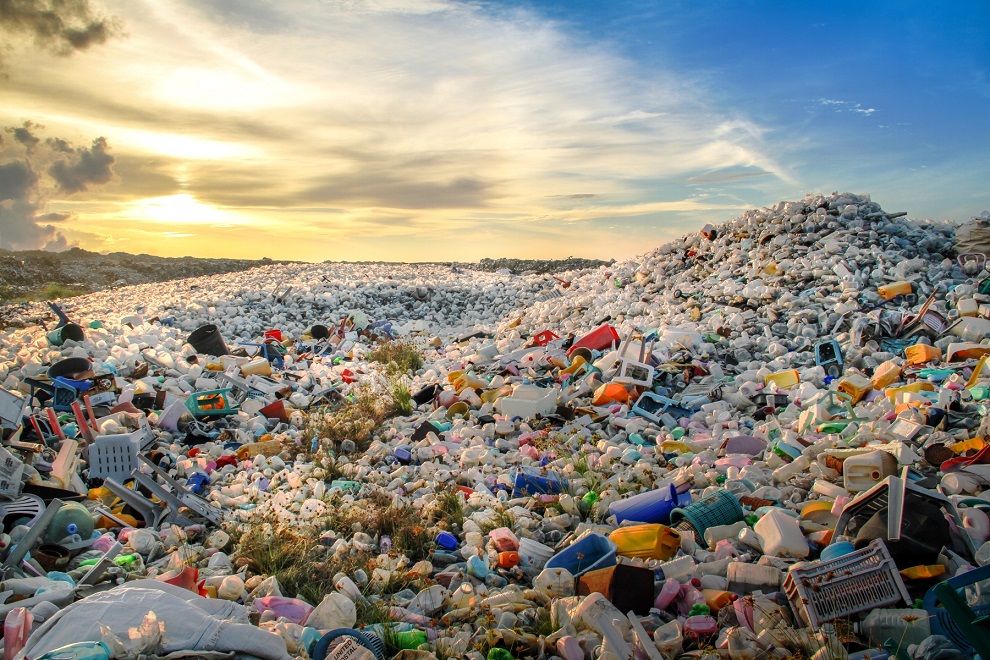
Have you recently tossed plastic into a recycling bin? There’s a large chance that the material won’t be recycled. After decades of being touted as a solution to pollution, a recent report highlights the growing scientific consensus on the health risks and economic costs of plastic pollution and recycling.
“Merchants of Myth,” the Greenpeace USA report, found that less than 25% of the most commonly produced types of plastics are actually recyclable. And plastic recycling rates in the United States have been cut in half since 2014, from 9.5% to roughly 5-6% today, due to gaps in recycling access, infrastructure, and technical limitations at recycling facilities. Roughly 43% of U.S. households lack access to basic recycling services, and recycling participation is declining. Also, 12% of national municipal recycling facilities are even capable of processing common consumer plastics.
Researchers say that plastic industry, retailers, prominent plastic-reliant brands, and related trade associations are retracting their sustainability commitments while continuing to rely on single-use plastic packaging. With global plastic production projected to triple by 2050, voluntary measures made by corporations won’t be enough.
John Hocevar, Greenpeace USA oceans campaigner director, says, “Instead of investing in real solutions, the plastic industry, and corporations that rely on plastic, have poured billions into public relations campaigns making false claims about the recyclability of their products to avoid bans and reduce public backlash. My sincere hope is that a year from now, we are united in focusing on reducing plastic production and use.” To read the report, visit www.greenpeace.org.
“The plastic crisis grows worse every day we fail to act – for biodiversity, environmental justice, human health, and our climate. It’s time to stop pretending we can recycle our way out of it,” says Hocevar.