
What to Know About Colonoscopies
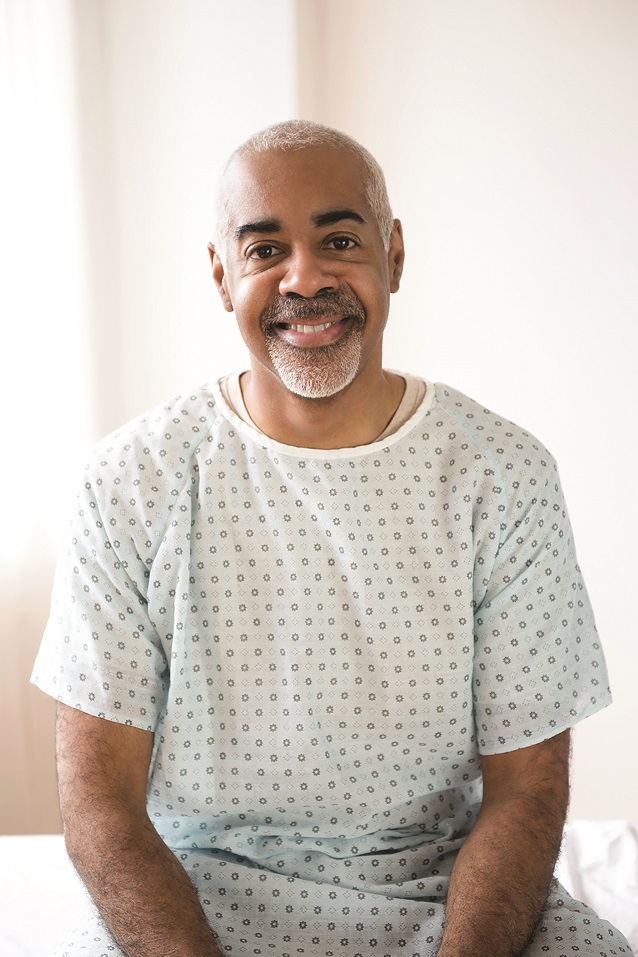
Adults in their early 40s recognize the approaching milestone when their doctors suggest it’s time for a colonoscopy. According to the MD Anderson Cancer Center® (MDACC), most people should have their first colonoscopy at age 45 and continue with regular screenings until age 75.
Colonoscopies are an effective way to screen for colorectal cancer, which the World Health Organization reports is the third most common cancer worldwide. Although the MDACC describes colonoscopies as the “gold standard” for colorectal cancer screening, many people still feel some apprehension about the test. However, a closer look at these highly effective screenings shows there’s little to fear when getting a colonoscopy.
What happens during a colonoscopy?
During the procedure, a long, flexible tube called a colonoscope is inserted into the rectum and along the colon. A camera and light at the tip of the colonoscope allow the physician to examine the lining and walls of the colon. The MDACC notes that this ability is what makes colonoscopies so effective. During a colonoscopy, a doctor can remove any polyps, which are small, usually benign growths. Stool-based colorectal screening and virtual colonoscopy do not allow for the removal of polyps.
Why do colonoscopies cause anxiety?
The anxiety usually isn’t about the procedure itself but about the preparation needed the night before. The Mayo Clinic explains that the colon, which is normally filled with stool, must be emptied before a colonoscopy. This requires patients to not eat solid foods the day before the exam, and their drinks may be limited to clear liquids like water, tea, broth, and coffee without milk or cream. Patients should first consult with their physicians about what they can and cannot drink the day prior to the procedure. Avoiding solid food and sticking to clear liquids can be inconvenient, but the anxiety from a colonoscopy often stems from the prescription laxative patients usually take in pill or liquid form the night before the procedure. That laxative helps empty the colon, and patients may need to make several trips to the bathroom after taking it. Patients might also wake up in the middle of the night to take a second dose, which can lead to additional trips to the restroom.
What about the procedure itself?
During a colonoscopy, patients typically wear a gown but nothing else. Sedation or anesthesia is usually given, and afterward, patients often fall asleep and wake up in another room once the procedure is finished. The Mayo Clinic notes that some patients experience stomach cramps and/or bloating after the procedure. When patients wake up from sedation, the doctor who performed the procedure will give a prognosis.
How soon do I need to schedule another colonoscopy?
Recommendations for a follow-up colonoscopy vary based on the findings from the previous procedure. The MDACC states that the typical interval between colonoscopies when no polyps are detected is 10 years.
Colonoscopies are known to be unpleasant, but any discomfort before the procedure is worthwhile because of how effective the exams are.