
Why Alpha-gal Syndrome Is Becoming a Growing Concern
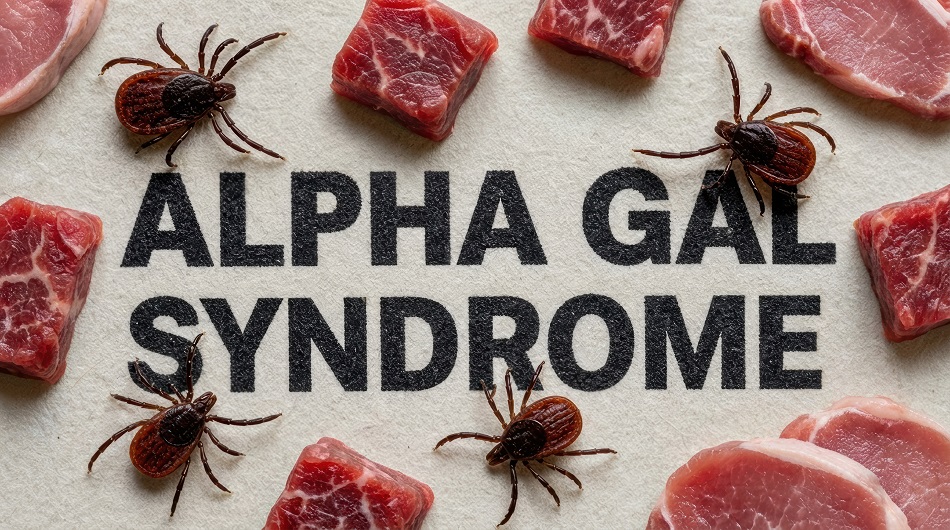
Most people know that ticks can spread Lyme disease, babesiosis, and other infections. However, a tick bite can also trigger an unusual, potentially life-threatening allergy to red meat and other mammalian products, known as Alpha-gal syndrome (AGS). AGS is receiving increased attention as ticks and tick-related health risks spread across the United States.
The Lone Star tick, most commonly associated with AGS, was previously concentrated in the South but is now widely distributed throughout the Northeast, South, and Midwest, and is also present in Western New York. Unlike blacklegged ticks associated with Lyme disease, Lone Star ticks are aggressive and can actively move toward potential hosts. They thrive in diverse habitats, including forests, parks, grassy areas, and suburban environments. Females can lay thousands of eggs.
Alpha-gal is a sugar molecule found in most mammals but not in humans or other primates. Certain tick bites can sensitize a person’s immune system to alpha-gal. Afterward, eating beef, pork, lamb, venison, or other mammalian meats can trigger an allergic reaction. Some people also react to dairy products, gelatin, or medications and medical products containing mammal-derived ingredients.
AGS is especially difficult to recognize because reactions typically occur 2 to 6 hours after exposure. Symptoms can include hives, itching, swelling, severe abdominal pain, nausea, vomiting, diarrhea, difficulty breathing, dizziness, fainting, and potentially life-threatening anaphylaxis.
The seriousness of AGS drew national attention after the first documented death attributed to the condition. In 2024, a previously healthy 47-year-old New Jersey man became severely ill several hours after eating steak but recovered. Two weeks later, after eating a hamburger at a barbecue, he collapsed and died. Researchers later determined that he had experienced a fatal allergic reaction to alpha-gal.
The Centers for Disease Control and Prevention estimates that as many as 450,000 Americans may be affected by AGS, though the true number remains unknown. New research also suggests that exposure to alpha-gal may be far more widespread than previously recognized. A 2026 CDC study found alpha-gal antibodies in about 24% of blood donors tested in five states with particularly high prevalence. However, having antibodies does not mean someone has AGS; only a small minority of people who test positive develop the clinical syndrome.
The Lone Star tick remains the species most commonly associated with AGS in the United States, but cases have also been reported after bites from blacklegged and western blacklegged ticks. Prevention is essential. Use EPA-registered tick repellents; consider wearing permethrin-treated clothing and gear; avoid brush and leaf litter when possible; check your entire body after being outdoors; shower after coming inside; and promptly remove any attached ticks.
New Yorkers should continue enjoying the outdoors—but with greater awareness. Anyone experiencing unexplained allergic or severe gastrointestinal symptoms several hours after eating red meat, especially after tick exposure, should discuss Alpha-gal syndrome with a healthcare provider or allergist. Severe allergic reactions require immediate emergency care.
Sources: Centers for Disease Control and Prevention; New York State Department of Health; University of Virginia School of Medicine; The New York Times Magazine.