
Mental Health Issues That May Affect Combat Veterans
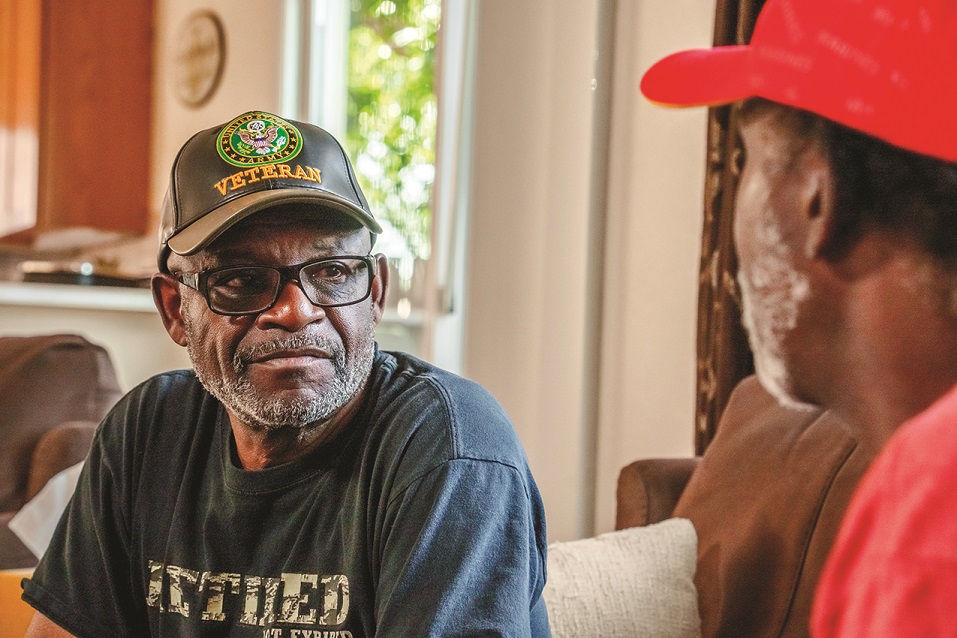
Veterans have served their countries in various capacities. All military personnel work to preserve the freedoms of their fellow citizens, and some risk their lives in combat to do so. But the fight for combat veterans does not always end when they return home, and it’s important that everyone recognizes this and supports efforts to ensure veterans receive the help they need after serving.
A 2013 study in the journal Psychiatric Services found that 43% of veterans who served in Iraq and Afghanistan had probable post-traumatic stress disorder, major depression, or alcohol misuse. These are just some of the issues combat veterans may face upon returning home. Recognizing these conditions and knowing how to spot them may increase the likelihood that veterans receive the help they need and deserve.
Post-traumatic stress disorder (PTSD)
The Committee to Evaluate VA Mental Health Services found that 23% of veterans of Operation Enduring Freedom (OEF), Operation Iraqi Freedom (OIF), and Operation New Dawn (OND) experienced PTSD. PTSD varies from person to person, but American Addiction Centers notes that common symptoms include flashbacks, nightmares, hypervigilance, emotional distress, and avoidance behaviors. Veterans with PTSD may have difficulty sleeping, experience relationship difficulties, face work-related challenges, and struggle to regulate their emotions.
Depression
More than 16% of OEF/OIF/OND veterans were found to be suffering from depression. The AAC notes that persistent sadness, hopelessness, fatigue, and social withdrawal are symptoms of depression. Some veterans with depression may also lose motivation, which can affect their ability to function each day and take care of themselves. Depression can affect veterans at work and adversely affect their quality of life.
Substance dependency
Committee findings indicated that more than 5% of OEF/OIF/OND veterans had alcohol dependence, and nearly 3% had drug dependence. Veterans with substance use disorders may come to rely on drugs or alcohol to cope with service-related trauma. Others may turn to drugs or alcohol to relieve chronic pain or service-related stress. Substance use disorders can exacerbate existing mental health issues, and veterans may also engage in risky behaviors while under the influence of alcohol or drugs.
Psychological distress
The committee found that 13% of OEF/OIF/OND veterans experienced psychological distress. This distress can make veterans feel as though they are in crisis, leading to hopelessness, emotional numbness, or isolation. According to the AAC, when experiencing severe distress, some veterans may entertain thoughts of self-harm. In such instances, veterans may require emergency mental health support.
Veterans bravely served their countries, and it’s imperative that people support efforts to ensure these brave men and women get the help many may need after returning from combat.