
How Working Together Can Make Healthcare Easier
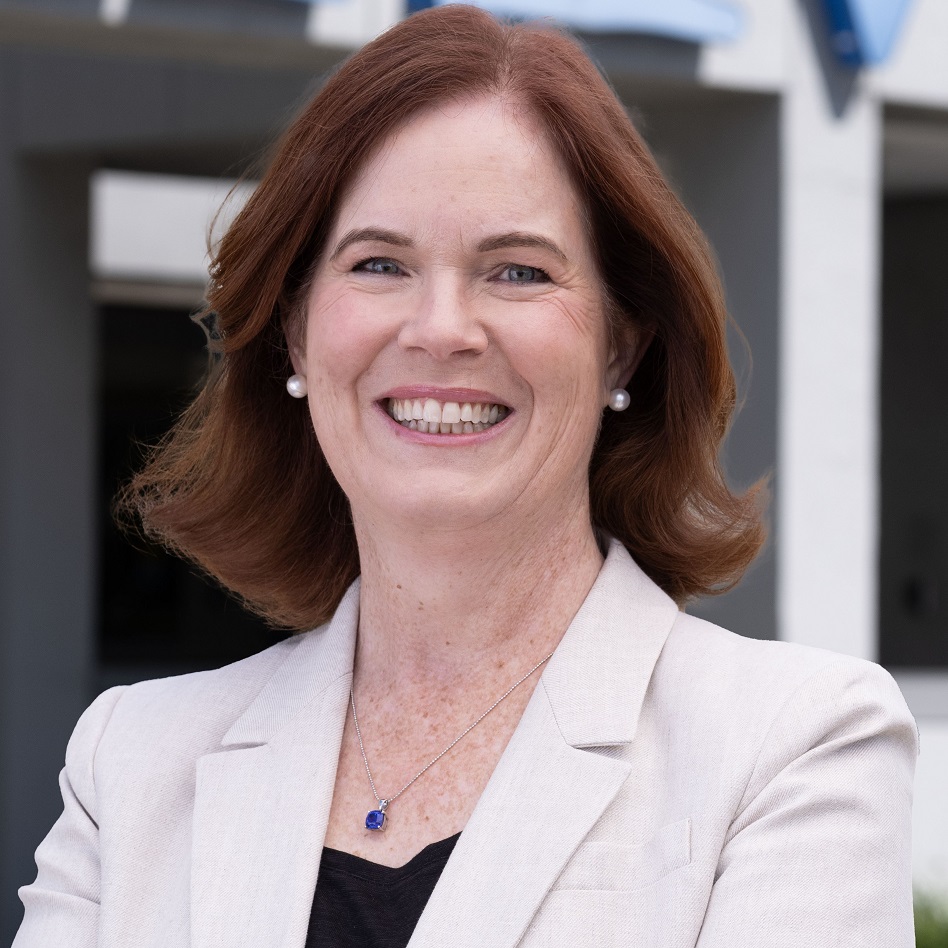
Courtesy of Univera Healthcare
Most people want the same thing from healthcare: to stay healthy and get the care they need without confusion or extra stress. Yet many patients juggle appointments with multiple providers and try to figure out what happens next.
That’s why providers, hospitals, and health plans need to work closely together. When healthcare organizations collaborate more effectively, patients can spend less time navigating the system and more time focusing on what matters most: their health and well-being.
Dr. Lorna Fitzpatrick, Chief Medical Officer for Univera Healthcare, has served as a practicing physician and is now a health plan leader. She believes stronger collaboration across healthcare can create a better experience for patients and communities alike.
Q: Why is it important for healthcare providers and health plans to work together?
Dr. Lorna Fitzpatrick:
Healthcare can be complicated. Many people see multiple providers throughout the year, from their primary care physician to specialists and other providers. In fact, the average Univera Healthcare member in Western New York saw eight different providers last year. With so many people involved in a person’s care, it’s easy to see why patients can sometimes feel like they’re coordinating everything themselves.
Stronger partnerships between providers, hospitals, and health plans can help change that.
By working together and sharing information more effectively, healthcare teams can help patients get the care they need when they need it. The result is better coordination and better patient outcomes.
Q: Can working together help make healthcare more affordable?
Dr. Lorna Fitzpatrick:
Yes. One of the best ways to control healthcare costs is to help people stay healthy in the first place. When providers and health plans work together, they can identify health risks earlier and help patients manage chronic conditions before they become more serious. Better coordination can also reduce unnecessary emergency room visits, duplicate tests, and avoidable hospital stays. That benefits patients and can help keep healthcare costs down over time.
Q: How does this benefit the community?
Dr. Lorna Fitzpatrick:
Healthy communities start with healthy people. Strong partnerships make it possible to address community health needs more effectively and support better outcomes for everyone. Because Univera Healthcare is local, we understand the unique needs of the communities we serve. We are committed to working alongside physicians, hospitals, and community partners to help improve the health and well-being of our neighbors.
Q: What does success look like?
Dr. Lorna Fitzpatrick:
Success means making healthcare easier to access, easier to understand, and more affordable.
No single organization can solve healthcare’s challenges alone, but by working together, we can create a healthcare experience centered on what matters most: the people we serve.
Photo caption:
Lorna Fitzpatrick, MD, Chief Medical Officer, Univera Healthcare