
Can Cataracts Be Prevented?
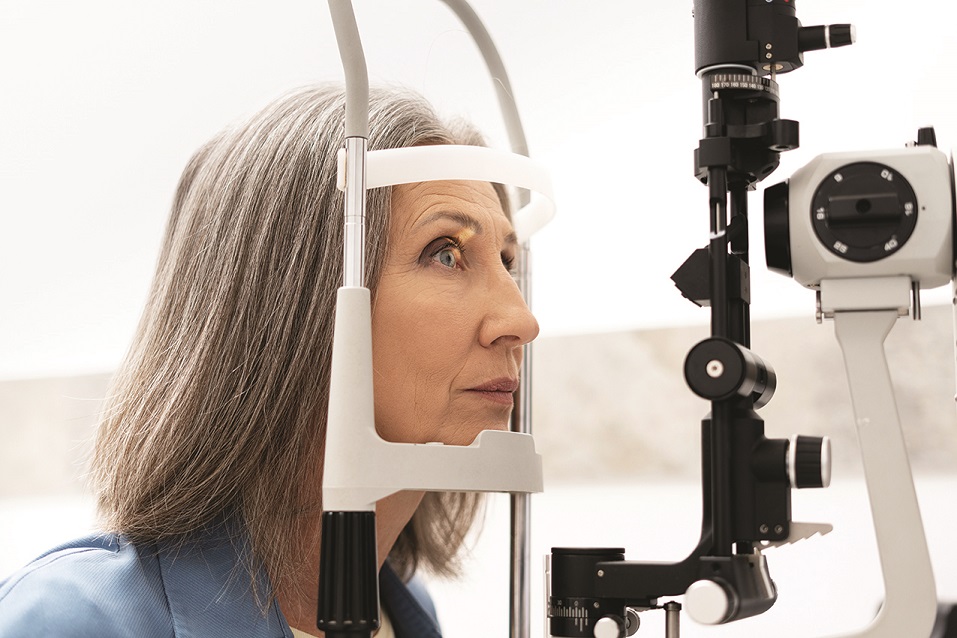
Courtesy of Eye Care & Vision Associates
Vision should be cherished at every stage of life. However, as one ages and vision changes become more pronounced, it is even more important to stay abreast of ways to care for the eyes to help prevent conditions such as cataracts.
Cataracts are the clouding of the eye’s natural lenses. The World Health Organization estimates that cataracts affect more than 94 million people worldwide and account for nearly 45% of all cases of blindness.
Although cataracts are considered an unavoidable part of the aging process, some people wonder whether they can be prevented. According to the ophthalmologists at Eye Care & Vision Associates, while the biological aging of the lens cannot be entirely stopped, the onset of cataracts can be delayed and their severity reduced through targeted lifestyle choices. By age 80, more than 90% of adults will either have a cataract or have already undergone surgery for one. Technically, cataracts cannot be prevented, but these steps can help delay their development.
- Wear sunglasses with UV protection. The consensus among experts is that prolonged exposure to ultraviolet B rays accelerates the breakdown of lens proteins. Consistent use of sunglasses that offer 100% UV protection can greatly slow this protein degradation. Wraparound frames block light from the periphery as well as the front.
- Lower oxidative stress. According to the physicians at Eye Care Vision & Associates, oxidative stress, a primary driver of lens opacification, can be reduced through an antioxidant-rich diet. Lutein, zeaxanthin, and vitamin C act as shields for the eye. Eye Physicians of Long Beach reports that the risk of age-related cataracts decreases by about 26% for every additional 10 mg of carotenoids added to a person’s diet.
- Manage diabetes. The National Institutes of Health reports that individuals with diabetes are 63% more likely to require cataract surgery than those without the condition. Managing high blood sugar will prevent sorbitol from accumulating in the lenses and causing earlier-onset cloudiness.
- Quit smoking: According to Optometrists.org, smoking is a key factor in cataract development. Smokers have a 1.66 times higher risk of developing cataracts than non-smokers because the toxins in tobacco smoke deplete the body’s natural antioxidant stores.
Although it may not be possible to stop aging or prevent cataracts entirely, cataracts can be delayed and their impact reduced through lifestyle changes. To learn more about cataract formation, symptoms, detection, treatment, and surgical options, see information at Eye Care Vision & Associates at https://www.ecvaeyecare.com/cataracts-buffalo. If you have any questions or would like to schedule a consultation, please call 716-631-EYES (3937).