
Understanding Hand, Foot, and Mouth Disease
Courtesy of General Physician, PC
Hand, Foot, and Mouth Disease (HFMD) is a common viral illness that mainly affects infants and young children. However, people of all ages can catch it. Despite its worrying name, HFMD is usually mild and short-lived. However, it would be incorrect to undermine its effect on children and any adults who may contract it in the household.
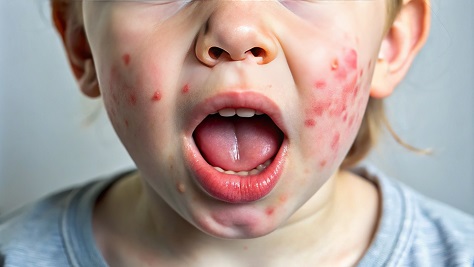
Rash on child’s skin, sores on tongue and lips, fever, and lethargy highlight the visible symptoms of contagious Hand Foot and Mouth Disease illness.
HFMD is caused by coxsackievirus, which spreads easily in childcare centers, schools, and homes, especially during summer and early fall, but cases can occur at any time of the year. HFMD is highly contagious and spreads through coughing, sneezing, saliva, stool, or contact with contaminated surfaces. Young children who share toys, put fingers in their mouths, and have developing immune systems are most affected. Many children will get HFMD at least once, and some will get it more than once. Adults can also catch it, especially parents, teachers, and childcare providers, although many adults have partial immunity from earlier exposure. Adults may experience milder or more uncomfortable symptoms.
Nimra Shafiq, MD of General Physician, PC, says HFMD usually starts with a low fever, sore throat, runny nose, or general fussiness. A day or two later, painful mouth sores can appear on the inside of the cheeks, tongue, or gums, making eating or drinking very uncomfortable. A rash or small blisters may then develop on the hands, feet, buttocks, or legs, which are not typically itchy but may be tender. Most children recover fully within 7 to 10 days. Again, while usually not a significant concern, the most uncomfortable effects of HFMD can last for several days.
There is no medication for HFMD. Since a virus causes it, antibiotics and antiviral drugs are not recommended. Treatment focuses on relieving symptoms and maintaining hydration, especially when mouth sores make swallowing difficult. Simple remedies that help both children and adults feel more comfortable include over-the-counter pain relievers like acetaminophen or ibuprofen, and cold foods such as ice pops, smoothies, and yogurt. You should never give a child aspirin, and it is essential to avoid citrus, spicy foods, or salty snacks. Drinking plenty of fluids is critical. If swallowing hurts, offering small, frequent sips helps prevent dehydration.
To manage skin symptoms, keep blisters clean and dry to prevent infection. Since the rash can be tender, many parents choose soft, breathable clothing for their children. Handwashing remains the most important prevention step, especially after diaper changes, wiping noses, or using the bathroom. Disinfecting frequently touched surfaces and keeping sick children home until the fever has gone down and mouth sores improve can greatly reduce the spread.
It is important to note that while HFMD complications are rare, they are serious, with the most common being dehydration due to painful mouth sores, followed by less common issues like nail loss, and very rare but severe neurological problems such as viral meningitis, encephalitis (brain swelling), or paralysis, often linked to certain viruses like Enterovirus 71, requiring prompt medical attention if symptoms worsen or signs of these severe issues appear.
Dr. Shafiq notes, “You should call your child’s doctor if: You notice signs of dehydration, such as a dry mouth or fewer wet diapers; your child cannot swallow; has a fever lasting more than 3 days or exceeding 102-103°F; symptoms worsen; the rash becomes painful, swollen, or appears infected; or the child has a weakened immune system from another health condition.” She adds, “Fortunately, HFMD is typically short-lived and responds well to basic at-home care, and most children recover quickly with rest, hydration, and comfort measures.”
Dr. Shafiq is accepting new patients of all ages in Lockport. To make an appointment, call 716-433-8751 or visit https://www.gppconline.com/nimra-shafiq-md.