Electrophysiology: Defibrillators
Courtesy of Great Lakes Cardiovascular
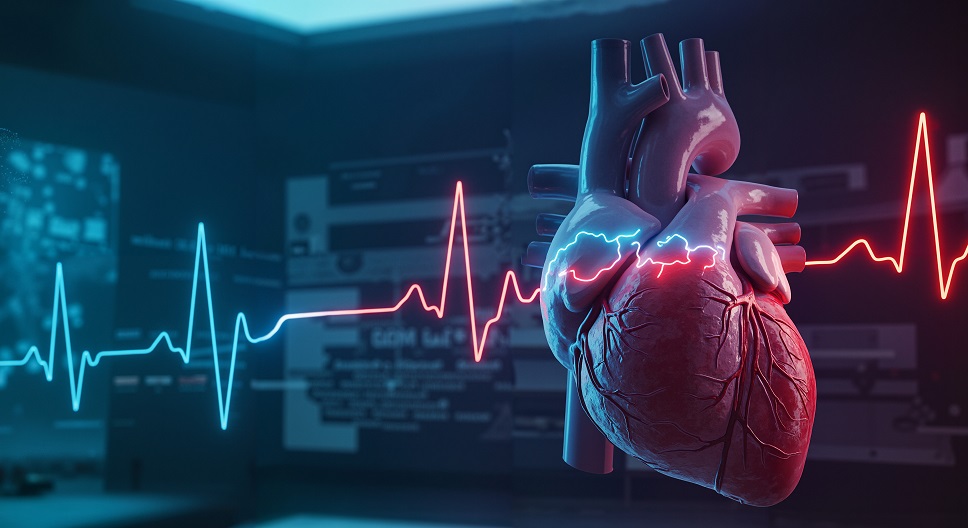
Electrophysiology is a branch of cardiology focused on diagnosing and treating heart rhythm disorders. Electrophysiologists are cardiologists who undergo additional training to manage issues with the heart’s electrical system.
Most of us don’t realize that our hearts depend on a complex electrical network to function. “Electricity is generated by special cells in the upper chambers of our heart, and that signal travels along specialized circuits to produce a heartbeat,” says James A. Russell, Jr., DO. “When this system fails, the heart muscle can’t supply blood to the body, especially the brain. Similar to power outages, in sudden cardiac arrest, the heart’s electrical signals are disrupted, preventing it from pumping effectively, and if not treated promptly, it can lead to death.”
We often picture someone clutching their chest and dying instantly from a heart attack. However, sudden death in this situation is usually caused by ventricular fibrillation—a very abnormal heart rhythm—or ventricular tachycardia (extremely fast heart rhythm). These arrhythmias (irregular heartbeats) can happen in people who have had a previous heart attack or those with a “weak heart muscle.”
Dr. Russell explains that arrhythmias in the lower heart chambers can decrease blood flow to vital organs, including the brain, potentially causing irreversible brain damage or sudden cardiac death. Immediate electrical shock treatment is essential to restore the heart’s normal rhythm, underscoring the importance of having automated external defibrillators (AEDs) in public places. However, these emergencies often occur at home, where AEDs and trained personnel might not be available. By the time resuscitation starts, it is often too late.
But what if you could have your own personal paramedic, ready to revive you instantly during a life-threatening event? A device called an implantable cardioverter-defibrillator, or ICD, makes that possible! It is a small device that can be implanted in patients at risk of sudden cardiac death. Unlike pacemakers, which fix a slow heartbeat, ICDs treat dangerous arrhythmias in real time by delivering electrical therapy to the heart. They can be programmed by a skilled electrophysiologist, making the life-saving electrical therapy painless for the patient.
ICDs are placed just under the skin, outside the ribcage, through a minor procedure performed while the patient is sedated. ICDs also feature “remote monitoring,” allowing the device to be tested via WiFi or landline without a visit to the doctor. This is one of the many incredible tools among the advanced technologies available to doctors today, allowing lives to be saved in ways never imagined.
“The discussion about implanting a defibrillator is often one of the most intimidating for patients; however, it is also one of the most important decisions they can make. It offers a significant opportunity to prevent sudden cardiac death. As an electrophysiologist, my goal is to help you live a longer, better life—something that defibrillator therapy can provide,” says Dr. Russell.
James A. Russell, DO, is a fellowship-trained electrophysiologist at Great Lakes Cardiovascular. See www.gppconline.com/james-russell-do to learn more, or call 716-710-8266.