
Symptoms of Common Heart Conditions
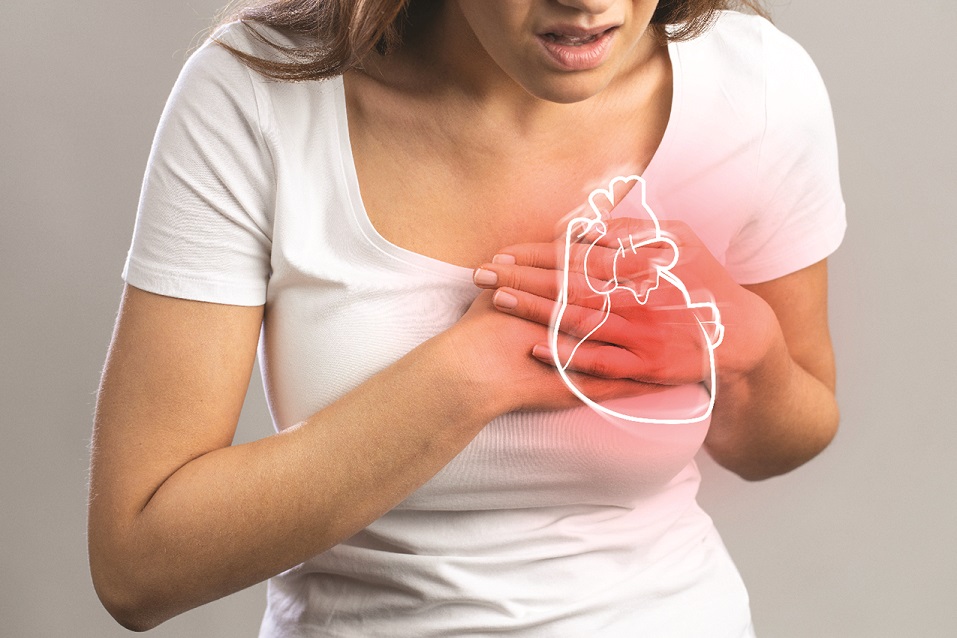
Cardiovascular diseases (CVDs) are the leading cause of death worldwide, accounting for about 19 million deaths in 2022. Heart disease impacts roughly 128 million adults in the U.S. Heart conditions can present in many ways, and symptoms of various conditions can overlap. This general guide, based on data from the Mayo Clinic and the Cleveland Clinic, serves as a warning and not a diagnosis. Those experiencing any sudden, severe, or “not right” symptoms are urged to seek immediate medical attention.
- Coronary artery disease: CAD can cause chest pain (angina), especially during exertion. It can also lead to shortness of breath, fatigue, and pain that may radiate to the arm, jaw, neck, or back.
- Myocardial infarction (heart attack): A heart attack can cause different symptoms in men and women, so it’s best to treat any unusual signs with caution. Intense chest pressure or squeezing; pain spreading to arms, jaw, back, or stomach; shortness of breath; nausea; cold sweats; lightheadedness; fatigue; or back pain warrant medical attention.
- Heart failure: Those experiencing heart failure may have persistent shortness of breath, swelling in the legs, feet, or abdomen, rapid weight gain from fluid retention, fatigue, and difficulty lying flat due to breathing problems.
- Arrhythmia (irregular heartbeat): An irregular heartbeat can cause palpitations or fluttering in the chest, dizziness or fainting, shortness of breath, chest discomfort, and fatigue.
- Atrial fibrillation (AFib): AFib is an irregular and often rapid heart rhythm that originates in the heart’s upper chambers. It can lead to a fast heartbeat, fatigue, shortness of breath, dizziness, and chest discomfort.
Heart conditions can cause a range of symptoms, many of which overlap. For an accurate diagnosis, it’s best to first see a primary care doctor, who may then refer patients to a cardiologist.