The New Upside-Down Food Pyramid: Helpful or Confusing?
by Annette Pinder
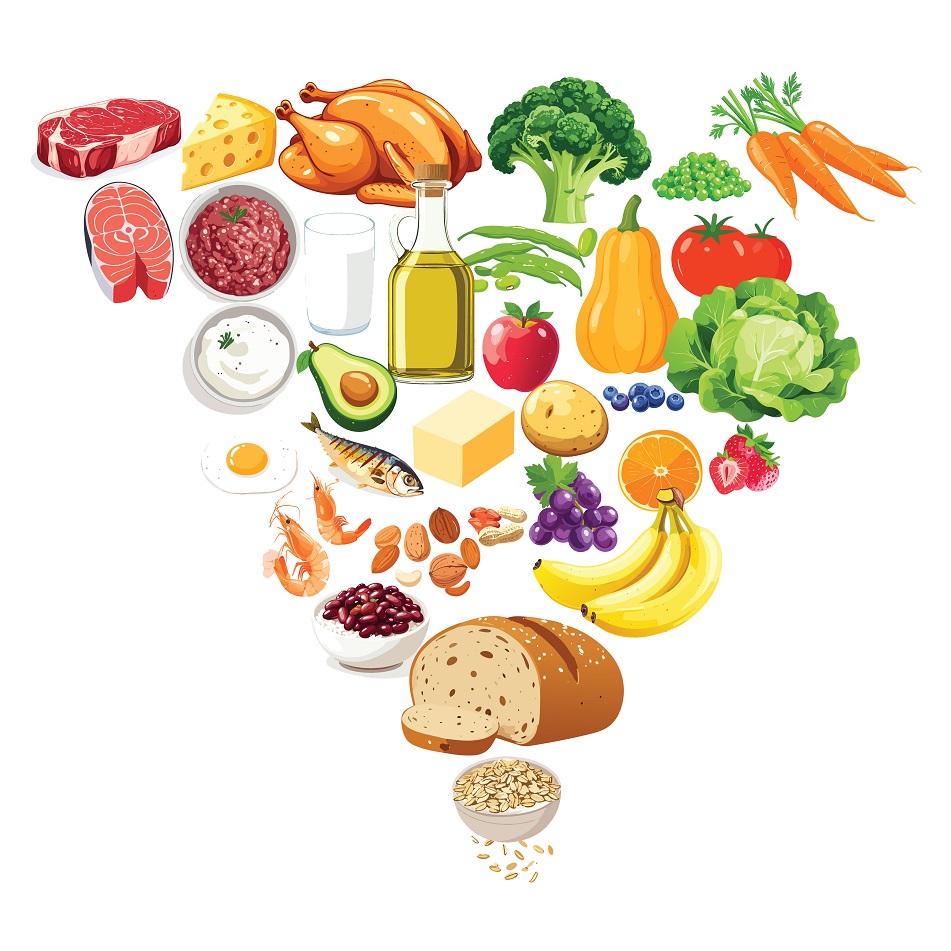
Skylar Griggs, MS, RD, LDN is the owner of Newbury Street Nutrition and a senior dietitian in the cardiology division at Boston Children’s Hospital. Griggs recently expressed her concerns about the newly released “upside-down” food pyramid from the Department of Health and Human Services in an article in MedPage Today. While intended to modernize nutrition guidance, Griggs says the visual complicates dietary messaging.
When Griggs first became a registered dietitian, she embraced MyPlate and later the Harvard Healthy Eating Plate because of their clarity. She said both of these clearly showed how much of a meal should come from fruits, vegetables, whole grains, and protein. In contrast, the new pyramid has left people unsure about what they should actually eat.
Griggs values the pyramid’s emphasis on whole, minimally processed foods, focusing on vegetables and considering canned foods as acceptable options. She also supports including fruit and prioritizing protein, especially given the increased use of GLP-1 medications and the importance of maintaining lean muscle mass. Incorporating eggs as a nutrient-dense protein source is another beneficial aspect.
Her main concern is how certain protein sources are visually ranked. Foods high in saturated fat, such as steak, appear at the top of the pyramid, prompting people to wonder whether they should eat more red meat. Griggs says that while steak can be part of a balanced diet, it does not support cardiovascular health when eaten frequently and also raises environmental concerns. She adds that its position at the top of the new pyramid conflicts with the written guidelines that recommend that saturated fat intake be limited to less than 10% of total daily calories.
Griggs says the depiction of fats is also confusing. While images of avocados, nuts, and salmon are helpful, their placement raises questions. Nuts are placed lower than avocados, and butter is in the middle of the pyramid. This undermines clear saturated-fat messaging and may unintentionally suggest that foods like butter or steak can be eaten without limits. Whole grains also pose a challenge as high-fiber breads, pastas, and crackers—key sources of fiber and heart-healthy nutrients—are placed at the very bottom of the pyramid. “I worry this placement indicates that these foods should be avoided or heavily restricted,” says Griggs.
The pyramid can also be confusing for people following plant-based or flexitarian diets. Beans appear very small in the image, tofu isn’t shown, and other plant-based protein sources aren’t clearly highlighted. For vegetarian patients, ensuring adequate protein intake is already tricky, and the new pyramid provides little guidance. Finally, she highlights budgetary concerns. She says that many foods at the top of the pyramid—such as fresh produce and seafood—are among the most expensive, and while canned vegetables are included, affordability is not sufficiently addressed.
Ultimately, Griggs advises consumers to follow the written dietary guidelines and keep using Harvard’s Healthy Eating Plate as a helpful visual reference. While the upside-down pyramid offers useful ideas, she emphasizes the importance of personalized, clinician-guided nutrition advice instead of one-size-fits-all graphics.