
Prevent Pest Problems
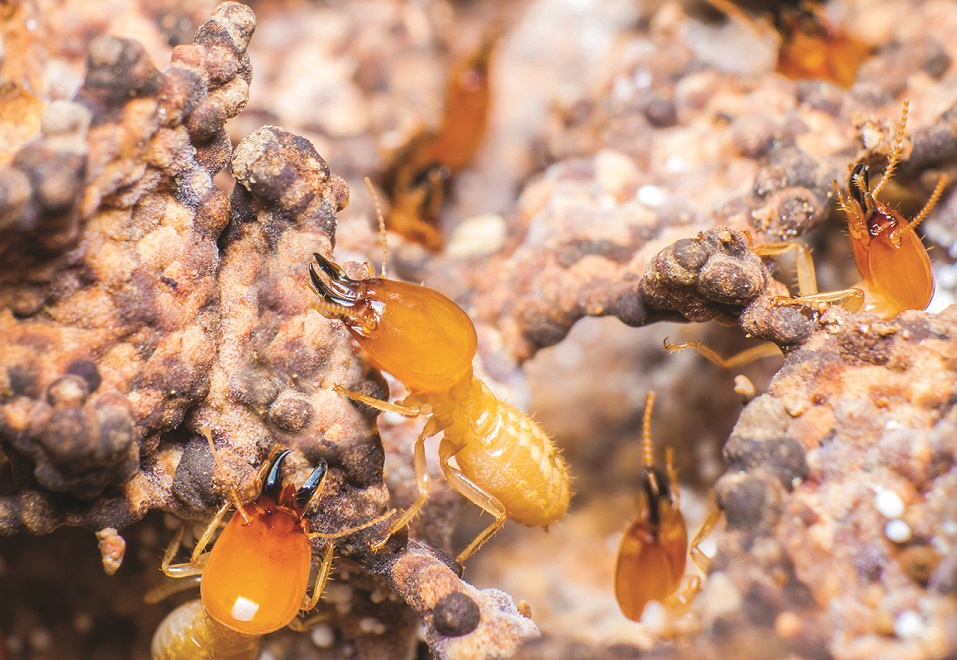
Pests can be problematic for homeowners, and an infestation can result in property damage if it is not discovered or treated promptly. Termites can hollow out beams, beetles can tunnel through hardwood, and rodents can chew through wiring and insulation. It doesn’t take long for damage to escalate. To address pests effectively, both inside and outside the home, homeowners should prioritize prevention and physical barriers. Here are some strategies homeowners can try.
- Check the perimeter. Pests can enter a home through small gaps in the foundation and around windows and doors. Use silicone caulk around windows and stuff steel wool in gaps around plumbing pipes.
- Address moisture issues. As many insects are attracted to dampness, fix leaky faucets and use a dehumidifier in basements or crawl spaces.
- Manage crumbs and trash. Pests like an easy food source, so move dry goods into glass or sealed plastic containers. Clean up crumbs around the kitchen, promptly clear clogged drain traps in the sink, and take out the garbage before it gets full.
- Create a buffer zone outside. Try not to plant vegetation too close to the home. Mulch can serve as a highway for termites and ants.
- Eliminate standing water. Clear gutters and address low-lying areas of the landscape. Mosquitoes breed in standing water and can develop into biting mosquitoes in as little as a bottlecap of water.
- Use natural repellents. Peppermint oil might deter spiders and rodents near entry points. Diatomaceous earth is a fine powder made from fossilized, microscopic remains of hard-shelled aquatic organisms that can dehydrate insects with exoskeletons, such as ants and roaches.
If pests become problematic and first-line treatments are not working, consult a professional pest control company to determine the best course of action.