
Hepatitis B: Why Vaccinating Newborns Saves Lives
By Annette Pinder
May is Hepatitis B Awareness Month, an important time to highlight a virus that still affects millions worldwide. Hepatitis B is a serious infection that attacks the liver and can lead to lifelong illness, liver failure, or liver cancer. Fortunately, it is also one of the most preventable infectious diseases, thanks to a safe and highly effective vaccine recommended at birth. The hepatitis B virus spreads through contact with infected blood or body fluids. According to the World Health Organization, it can be transmitted during childbirth, through sexual contact, by sharing contaminated needles, or through exposure to infected blood.
Some people develop an acute infection that resolves within several months. Others develop chronic hepatitis B, in which the virus persists in the body for life. Chronic infection can gradually damage the liver, leading to cirrhosis, liver failure, or liver cancer. Globally, hepatitis B remains a major public health concern. Nearly 300 million people worldwide are living with chronic hepatitis B infection. Many individuals do not realize they are infected because symptoms often do not appear for years.
The Benefits of the Hepatitis B Vaccine.
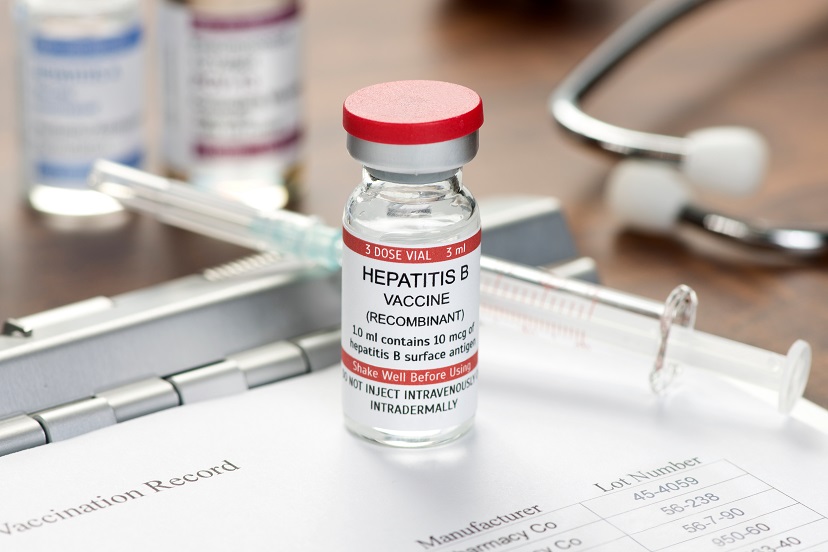
The hepatitis B vaccine has been used safely for decades and is among the most effective vaccines available. According to the American Academy of Pediatrics, the vaccine provides more than 95% protection against hepatitis B infection and its complications. It helps the immune system recognize and fight the virus before it can infect liver cells. After the vaccine series is completed, protection typically lasts for many years, often for life. Vaccination programs have dramatically reduced hepatitis B infections in many countries. In the United States, routine childhood vaccination has led to a significant decline in new infections among children and young adults.
Why Newborn Vaccination Is Critical.
Health experts recommend that infants receive their first dose of the hepatitis B vaccine within 24 hours of birth. According to the Centers for Disease Control and Prevention and the American Academy of Pediatrics, this early protection is essential because newborns are especially vulnerable to the virus. If a baby becomes infected at birth, the risk of lifelong infection is extremely high. The CDC reports that about 90% of infants infected during childbirth develop chronic hepatitis B, compared with fewer than 5% of adults who become infected. Children with chronic infection may not show symptoms for many years, but the virus can quietly damage the liver over time. As adults, they face a much higher risk of cirrhosis and liver cancer.
The Danger of Skipping the Birth Dose.
Newborn vaccination also protects infants when a mother’s infection may not yet be detected. Even when pregnant women are screened, rare cases can still occur. According to the World Health Organization, hepatitis B causes hundreds of thousands of deaths each year worldwide, mostly from liver cancer and liver failure.
By vaccinating newborns and completing the recommended vaccine series during infancy, families can provide lifelong protection against a virus that once caused widespread disease.