Beware of Shoveling Snow in Icy Temperatures
Courtesy of the American Heart Association
According to the American Heart Association, scientific studies indicate that the effort of shoveling snow may increase the risk of a heart attack or sudden cardiac arrest.
“If you’ve ever taken a treadmill stress test or seen one on TV, imagine that same strain on your heart while you are trying to clear your driveway of heavy snow,” says Stacey E. Rosen, M.D., FAHA, volunteer president of the American Heart Association. “That strain combined with the arctic cold expected this winter could lead to a heart-related emergency—especially for those who aren’t physically fit or people with existing heart conditions.” The following tips can help:
- If you have heart disease or risk factors for heart disease, get help with your snow removal.
- If you must shovel the snow, start gradually and pace yourself. Cover your mouth and nose, and wear layered clothing, including a hat and gloves.
- Ideally, push or sweep the snow rather than lift and throw it.
- Be extra careful when the wind is blowing, as it increases the cold’s effects on your body.
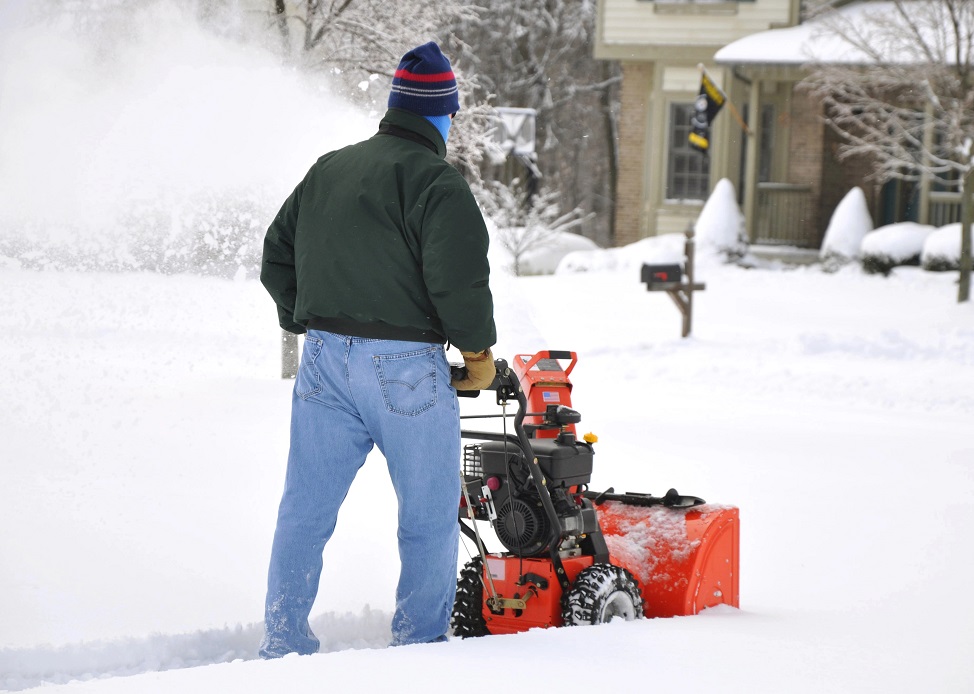
- If possible, use an automated snow blower instead of shoveling. While you should still be cautious and listen to your body, research shows that operating a snow blower doesn’t raise your heart rate as much as shoveling.
If you experience chest pain or pressure, lightheadedness, heart palpitations, or irregular heart rhythms while shoveling, stop immediately. Call 9-1-1 if symptoms don’t go away shortly after you stop shoveling or snow blowing. If you see someone collapse while shoveling snow, call for help and begin Hands-Only CPR if they are unresponsive and have no pulse. Learn more about cold weather and cardiovascular disease at heart.org.