
Corvia Atrial Shunt Study Offers Hope for Heart Failure Patients in Buffalo
Call 716-881-8299! You May Be Eligible!
by Annette Pinder
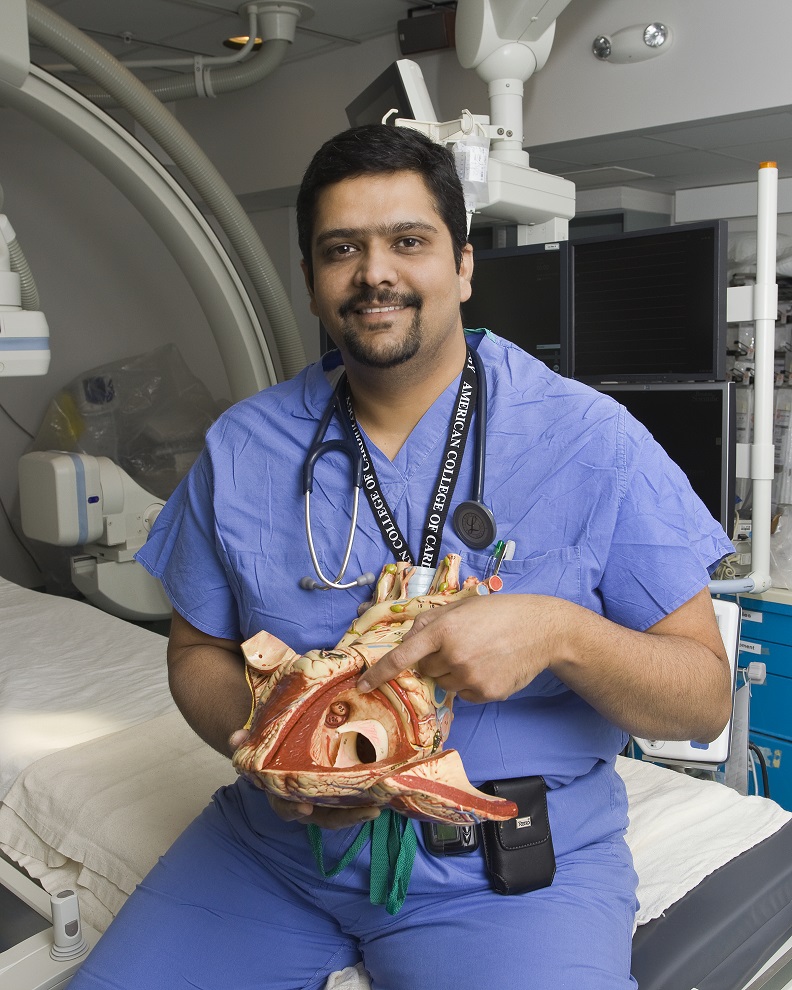
Many adults in Western New York living with heart failure — especially Heart Failure with Preserved Ejection Fraction (HFpEF) or mildly reduced ejection fraction (HFmrEF) — have had limited treatment options for a long time. A promising investigational therapy, the Corvia Atrial Shunt, is now being studied in Buffalo under the leadership of Vijay Iyer, MD, a structural heart specialist at UBMD and Buffalo General Medical Center/Gates Vascular Institute.
What the Clinical Trials Show
Early pilot studies showed rapid reductions in left-atrial pressure after implant, with many patients reporting improved symptoms and functional capacity within months. A smaller randomized trial found that the device remained open in all patients after a year and demonstrated good safety. The most extensive study to date, involving 626 patients worldwide, found that patients without pulmonary vascular disease and/or rhythm-management devices such as pacemakers experienced significant benefits from the device. In this subgroup, the shunt recipients had about 50% fewer heart failure events over two years.
Longer-term Data are Also Promising
A 3-year follow-up of responders showed a sustained 44% reduction in total heart failure events, along with meaningful improvements in quality of life, daily function, and symptom burden. Imaging also revealed favorable “reverse remodeling” of the left side of the heart. While right-heart chamber volumes increased — expected because of the new shunt flow — right-ventricular function and pulmonary pressures remained stable. The device remains investigational in the U.S. as the RESPONDER-HF study continues, in which Dr. Iyer and the Buffalo team are active participants.
Who Is Eligible for the Study?
The study has specific qualifications, including:
- Diagnosis of HFpEF or HFmrEF, with ejection fraction ≥40% (confirmed with echocardiogram)
- Persistent symptoms such as shortness of breath, fatigue, or exercise intolerance despite guideline-directed medical therapy
- Evidence of elevated left-sided filling pressures, often measured during exercise.
- No significant pulmonary vascular disease
- No implanted cardiac rhythm-management device (e.g., pacemaker, ICD, CRT)
- No severe valve disease or advanced lung disease
- Ability to safely undergo a right-heart catheterization and a transcatheter implant procedure
What This Means for Buffalo Patients
For the right patient, this device may provide meaningful improvements in quality of life and reduce heart-failure flare-ups. Western New York residents may be among the first nationwide to access this therapy as trials continue. Patients with HFpEF or HFmrEF who remain symptomatic should contact Dr. Iyer’s structural heart team at 716-881-8299 to see if they qualify to participate in this potentially life-saving study.