
Do You Really Need That Supplement?
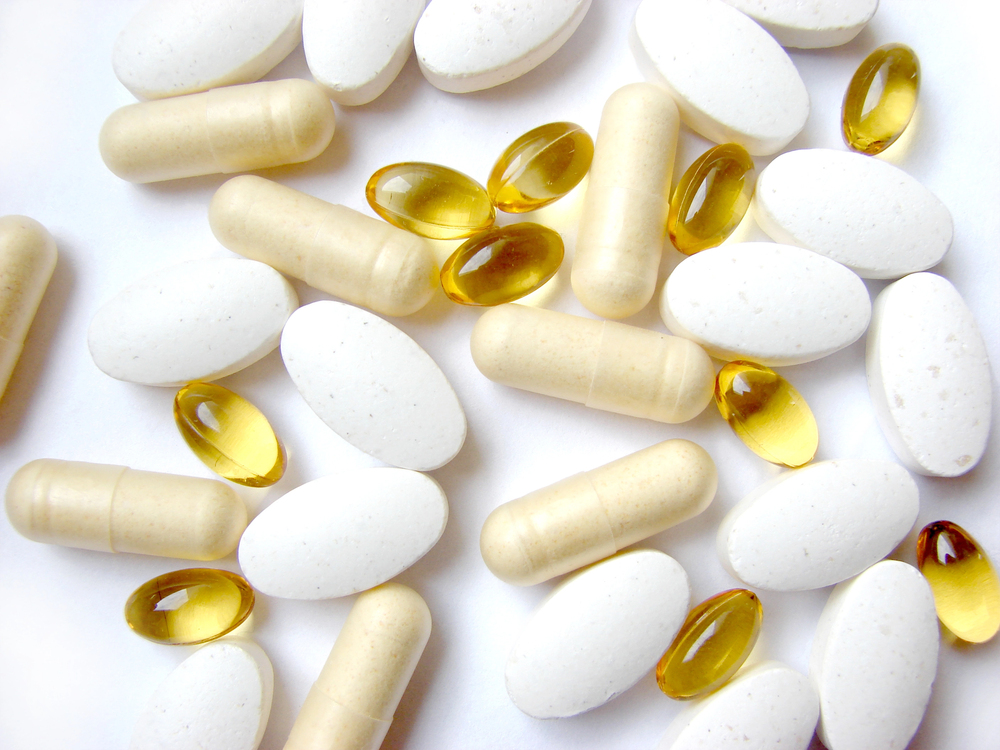
New Research Challenges the Idea That More Is Always Better
By Annette Pinder
Millions of Americans take vitamins, fish oil, glucosamine, and other dietary supplements, assuming they are doing something good for their health. But emerging research involving older adults is raising an important question: Can taking a supplement you don’t actually need sometimes do more harm than good?
Recent studies involving three widely used supplements—vitamin D, omega-3 fatty acids, and glucosamine—are prompting scientists to take a closer look.
A 2026 study in BMJ Open followed 5,065 Americans, with an average age of about 68, for six years. Researchers found that people taking vitamin D supplements had slightly faster declines in overall cognition and executive function than nonusers. The association was observed among people with normal vitamin D levels, but not among those with insufficient or deficient levels. The finding does not prove that vitamin D caused the decline. Instead, researchers concluded that their results do not support using vitamin D supplements to prevent cognitive decline in older people who already have adequate levels.
Omega-3 supplements are also under new scrutiny. Eating fish rich in omega-3 fatty acids has long been linked to health benefits, but evidence that fish-oil supplements protect cognition has been less convincing. A 2026 study using data from adults ages 55 to 90 found that omega-3 supplement users experienced faster cognitive decline on several standardized measures than nonusers. Again, researchers found an association—not proof of cause and effect—and other scientists have already cautioned that factors such as differences between supplement users and nonusers, supplement formulation, and participants’ underlying health could affect the results.
Perhaps the most surprising findings involve glucosamine, commonly taken for joint pain. Research published in Nature Metabolism found that giving glucosamine to mice genetically predisposed to Alzheimer’s disease worsened cognitive problems. Researchers also examined human health records and found that glucosamine use was associated with a higher likelihood of progression from mild cognitive impairment to Alzheimer’s disease or a related dementia. Among people who already had dementia, glucosamine use was also associated with poorer survival.
None of this means everyone should throw away their supplements. Vitamin D, for example, can be important for someone who is deficient, and some people take specific supplements for medical or nutritional reasons. The National Institute on Aging emphasizes that supplements can be beneficial, but may also cause side effects, interact with medications, or simply provide something a person doesn’t need.
The broader message may be that supplements are biologically active substances—not harmless insurance policies against disease. As our bodies and brains change with age, our needs may change, too. Rather than assuming that something labeled “natural” is automatically beneficial, talk with your physician or pharmacist about everything you take. Ask a simple question about each supplement: Do I need this—and is this still the right dose for me?
Sometimes supplementation is exactly what the body needs. But with vitamins and supplements, more isn’t always better.