
How Do You Know When You Need a Hip Replacement?
By David S. Phillips, DO
Hip pain isn’t something most people expect to become a major part of everyday life. Initially, it may involve stiffness when getting out of bed, soreness after a long walk, or groin pain. Over time, however, discomfort can become persistent pain that interferes with work, sleep, exercise, and climbing stairs.
So, when is it time to consider a hip replacement? One of the most telling signs is pain that no longer responds to conservative treatments. Often, people experience significant relief with physical therapy, weight management, activity modification, anti-inflammatory medications, or injections. When these approaches no longer provide lasting improvement, it may be time to discuss surgical options with an orthopedic specialist.
Another important indicator is loss of mobility. If your hip is so stiff that getting in and out of a car, walking through the grocery store, or enjoying hobbies has become difficult, your quality of life may be suffering more than you realize. Many people gradually adjust to these limitations without recognizing how much they have given up. Pain at night is another warning sign. Healthy joints shouldn’t keep you awake. If hip pain regularly disrupts your sleep or persists even while resting, it may indicate more advanced joint damage.
Most hip replacements are performed because of osteoarthritis—the gradual wearing away of the cartilage that cushions the joint. As cartilage deteriorates, bone rubs against bone, causing pain, stiffness, inflammation, and reduced range of motion. Previous injuries or avascular necrosis can also lead to severe hip damage.
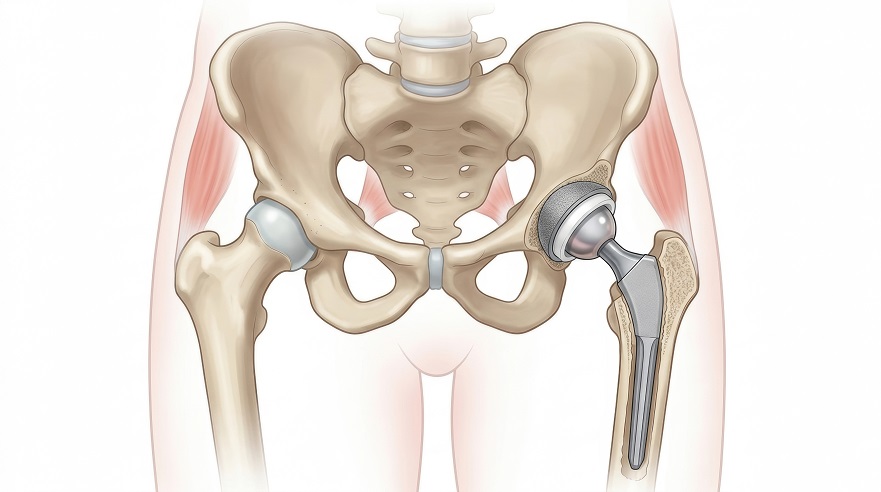
Fortunately, today’s hip replacement procedures are more successful than ever. Advances in surgical techniques that eliminate the need to cut through muscle and in spinal anesthesia, pain management, and rehabilitation are helping patients recover more quickly than in the past. It is common for people to be up and walking, even going home the same day as surgery, and returning to many of their normal activities within weeks.
Perhaps the biggest misconception is that patients should wait until the pain becomes unbearable before seeking help. However, waiting too long can lead to further loss of strength, reduced mobility, and a more difficult recovery. An orthopedic evaluation can determine whether your symptoms originate in the hip or stem from another condition, such as a problem in the lower back.
Hip replacement isn’t the right answer for everyone, and surgery is rarely the first treatment recommended. However, if hip pain is limiting your independence, keeping you from enjoying life, or preventing you from doing the things you love, it may be time to have the conversation. The goal of hip replacement isn’t simply to replace a joint—it’s to help people move with less pain, regain independence, and return to the activities that matter most.
Dr. David S. Phillips is an orthopedic surgeon at Excelsior Orthopaedics specializing in adult joint reconstruction, particularly hip and knee replacements. He focuses on an anterior approach to hip replacement, as well as robotic, total knee, and partial knee replacement surgeries. For information, see a video of Dr. Phillips and schedule an appointment at www.excelsiorortho.com/doctor/david-s-phillips-do, or call 716-250-9999.