Is There a Better Way to Urinate?
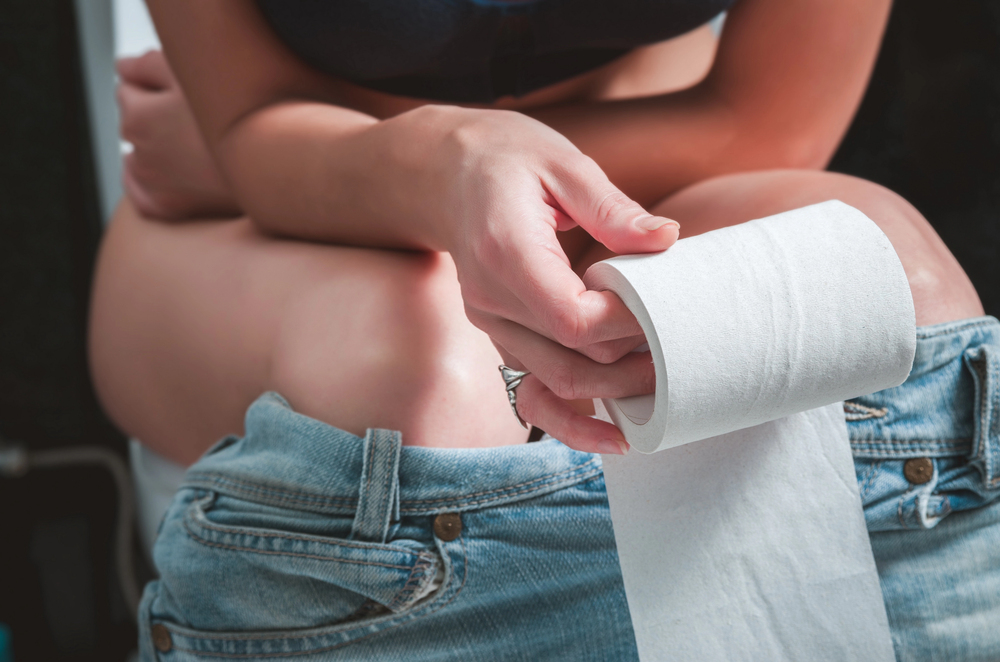
Avoid the practice of power-peeing!
A recent article in The Washington Post highlights pelvic floor therapist Sara Reardon, who warns against the practice of “power peeing,” or forcefully pushing during urination. She explains that this behavior can weaken pelvic muscles and raise the risk of incontinence and other bladder issues. Instead, she recommends that effective urination involves maintaining proper posture, relaxing to allow the bladder to empty naturally, and keeping the pelvic floor muscles relaxed throughout.
Key tips from the article include:
- Position: Sit on the toilet with both feet flat on the floor, knees raised above hip level, and lean forward slightly. This posture promotes optimal relaxation of the pelvic floor muscles.
- Relaxation: Practice deep breathing and intentionally relax the pelvic floor muscles, avoiding any straining or pushing while voiding.
- Double Voiding: If you feel like your bladder isn’t fully empty, pause briefly after your first urination, then lean forward and try to urinate again. This technique, called double voiding, can help you empty your bladder more thoroughly.
- Respond to Bodily Signals: According to MomLife Health & Wellness, it is advised to respond quickly to the urge to urinate and avoid urinating preemptively without necessity. Also, holding urine for too long can weaken both the bladder and pelvic floor muscles. Therefore, it is best to urinate when the urge arises.
- Consult a Professional: If you experience persistent urination issues or have concerns about bladder health, it is recommended to seek advice from a healthcare provider or pelvic floor therapist.
According to Reardon, proper urination technique not only supports overall bladder health but may also help prevent urinary tract infections, overactive bladder symptoms, and urinary incontinence.