
Low-Calorie, Nutrient-Rich Foods Help Maintain Overall Health
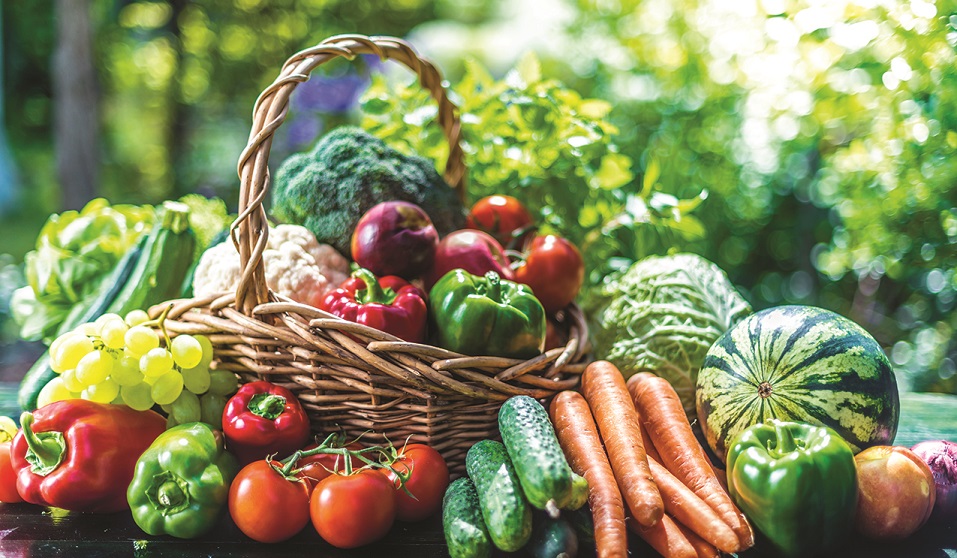
A nutritious diet is a notable foundation of a healthy lifestyle. When paired with routine exercise, a healthy diet can help people feel better physically and mentally and reduce their risk for various chronic diseases.
Temptation, combined with the easy access and convenience of unhealthy foods, makes it simple to compromise a healthy diet. When planning meals and snacks, adults aiming to maintain a nutritious diet can include a variety of low-calorie, nutrient-dense foods. The Mayo Clinic notes that most vegetables are naturally very low in calories but high in volume or weight. The weight in many vegetables comes from water and fiber, not calories. The fiber in vegetables can also help people feel fuller longer, reducing the chances of snacking on unhealthy but convenient foods like potato chips between meals.
The Mayo Clinic cites these vegetables as low-calorie options high in water and fiber.
- Salad greens
- Asparagus
- Carrots
- Tomatoes
- Broccoli
- Zucchini
Incorporating more low-calorie, water- and fiber-rich vegetables into your diet is straightforward. For example, the Mayo Clinic recommends adding vegetables to pasta dishes as a replacement for meat and cheese. When reaching for a between-meal snack, opt for carrots or broccoli over chips, pretzels, or baked goods.
Fruit also makes a healthy addition to a daily diet, though the Mayo Clinic notes that some fruits are better than others for people seeking low-calorie, nutrient-dense options. The online medical resource Healthline notes that avocados typically contain 161 calories per 100-gram serving, which equals about half of a medium-sized avocado. That makes avocados a high-calorie fruit compared to some alternatives. Bananas are also higher in calories than other fruits; Healthline reports that a medium-sized banana (105 calories) contains 27 grams of carbohydrates. Avocados and bananas pack a nutritional punch, but it’s important that people seeking low-calorie fruits to add to their diet recognize that each fruit tends to be on the high end in regard to calories.
Fortunately, there are plenty of low-calorie and flavorful fruits that can make great additions to a healthy diet. Strawberries are loaded with flavor and rich in vitamin C and fiber, and a 100-gram serving of this popular fruit contains around 32 calories. Watermelon (30 calories per 100 grams), cantaloupe (34 calories), honeydew melon (36 calories), and peaches (39 calories) are some additional low-calorie fruits that make great additions to a nutritious diet.
Eating right involves consuming healthy foods like fruits and vegetables, which tend to be low in calories and rich in nutrients.