
Ways Music Education Benefits Academic Performance
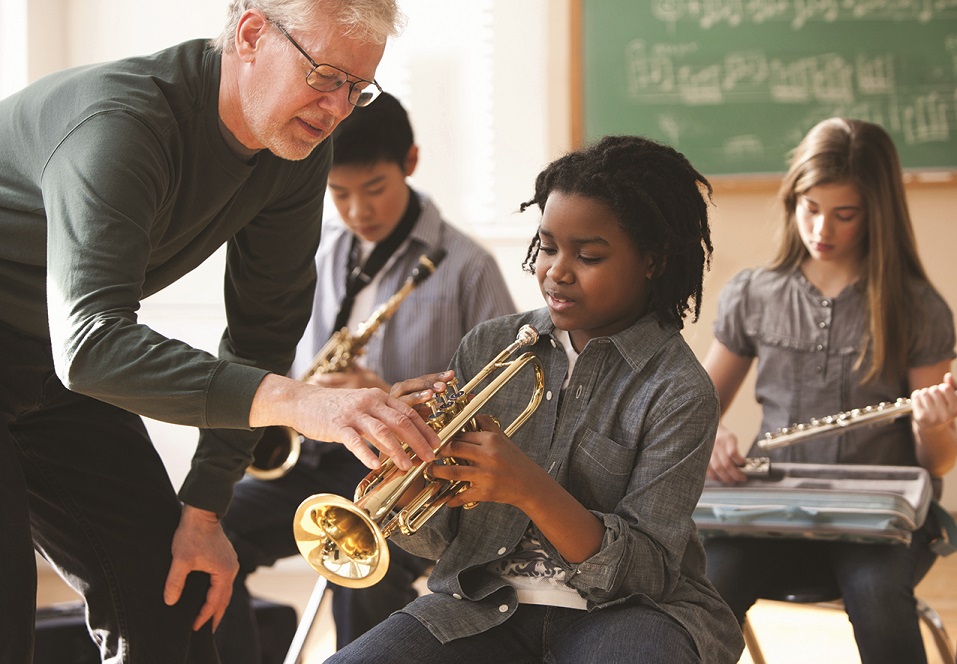
The future truly has no limits when children have access to the educational resources they need to succeed. While STEM has gained more focus in classrooms worldwide in the twenty-first century, music education is just as important.
A 2022 report from the Arts Education Data Project estimated that nearly 2.1 million American students lack access to any form of arts education, including dance, music, theatre, and visual arts. The decline of music education in classrooms is concerning, as the Community Music Center of Boston (CMCB) highlights that music has been shown to improve academic performance across various subjects.
The CMCB reports that students who play an instrument perform better in algebra, which serves as a foundation for further studies in mathematics throughout high school and college. A 2019 American Psychological Association study found that students who learned to play a musical instrument and continued to participate in high school band and orchestra were roughly one academic year ahead of their peers in various subjects, including mathematics.
The CMCB says music helps students improve their reading, writing, information utilization, resource management, vocabulary development, and editing skills. According to the George Lucas Educational Foundation, neuroscientists understand that playing or learning to sing music is a parallel process to reading. As a result, many challenges faced by music students and the skills they develop in learning to sing or play can transfer to classes that focus on reading and language arts.
Learning a musical instrument is a challenging endeavor that requires diligence and hours of practice, a discipline that extends to other subjects. Music education may no longer be part of many students’ academic experiences, but restoring it to its previous prominence can benefit students in many ways.