Where Hope Takes Root: Providence Farm Collective
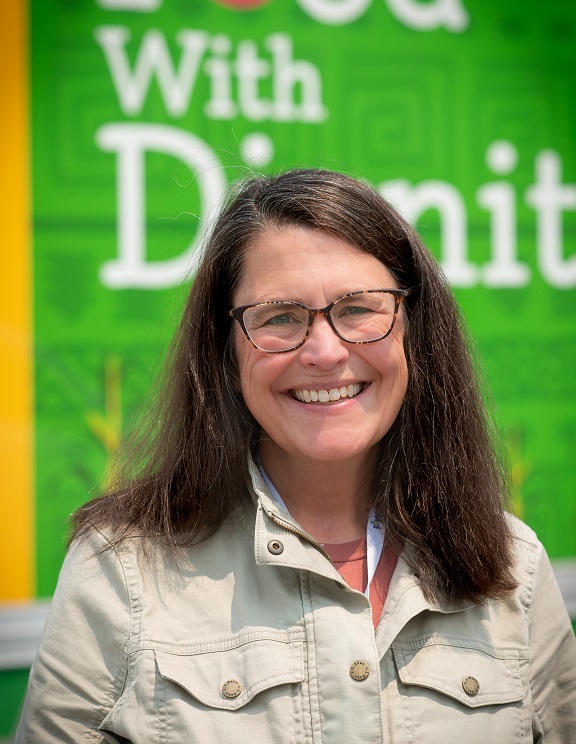
By Annette Pinder
As Moise Bukuri of Burundi, an incubator farmer at Providence Farm Collective (PFC), and Hamadi Ali of Somalia, PFC’s Deputy Director, walk through rows of vegetables, they usually reminisce about their lives and families. Around them are crops they’ve known since childhood that are unfamiliar to many Western New Yorkers, including African eggplant, roselle, amaranth, sweet potato leaves, and specialty peppers. These vegetables are more than ingredients. They are part of family traditions, celebrations, and memories carried across continents.
Another PFC farmer, Therence Ntizimpa of Burundi, wasn’t sure he would farm again after arriving in the United States. He says, “I grew up, married in a refugee camp, and began farming there. I rented land to grow food to eat and sell for some income. In 1996, we moved to a refugee camp in Tanzania due to the civil war. There, farming was a matter of survival.” Now he and his wife enjoy healthy food and supplement their income while doing what they love most—farming. His story is one of hundreds unfolding each season at PFC, where farming is about much more than growing vegetables. It is about restoring opportunity, preserving cultural traditions, improving health, creating small businesses, and helping families build new lives while sharing the knowledge they have carried for generations.
Established as a nonprofit in 2019 following the successful Somali Bantu Community Farm pilot project, Executive Director Kristin Heltman-Weiss and Hamadi Ali were among the original founders. PFC’s mission is to cultivate farmer-led and community-rooted agriculture and food systems to actualize the rights of under-resourced peoples. “We are the only local organization dedicated to helping under-resourced farmers access clean rural farmland. We provide business education, technical assistance, equipment, markets, and income through farming,” says Kristin.
PFC farmers arrive with years—even generations—of agricultural experience. “Our farmers don’t need someone to teach them how to farm,” says Kristin. “They already know how to plant food in the dry and wet equatorial regions they came from. What they don’t know is what makes farming in Western New York different. For example, through Cornell Cooperative Extension, they learn that our frost date is May 15. Yet they don’t even have a word for ‘frost’ in their native language. We are developing tools to help them gain greater linguistic and cultural understanding.”
PFC’s benefits extend far beyond the farm. Every Saturday, PFC’s International Farmers Market transforms part of Buffalo’s West Side (considered a USDA food desert) into a vibrant gathering place where longtime residents and newly arrived families shop side by side. Shopping there isn’t just buying produce—it’s starting a conversation that helps build strong communities and expands access to healthy, locally grown food throughout our region. Visitors can also experience PFC at its Farm Store in Orchard Park, where vegetables, flowers, and locally produced foods are available throughout the growing season. To extend that experience into home kitchens, PFC’s website features recipes featuring African eggplant, roselle, collard greens, sweet potato leaves, okra, and other produce, inviting people to explore healthy foods from cultures around the world.
In August, alongside the International Farmers Market, PFC will host a Food with Dignity community discussion exploring the relationship among agriculture, nutrition, and food justice. Visitors to the Erie County Fair can also experience Everybody Eats: Celebrating Our Agricultural Heritage, an inspiring exhibition created with PFC’s farmers and their families.
PFC is part of a much larger global story. Like many other organizations devoted to helping immigrants, PFC has been affected by the current administration’s funding cuts. However, prominent national and international organizations have stepped up to challenge these cuts in court. This summer, PFC was invited to participate in this year’s Farm Aid Festival and in the Distressed Borrowers Assistance Network (DBAN), which provides workshops and training for small-farm operators to navigate government agencies and opportunities and to respond to natural disasters. Kristin, Hamadi, Therence, and Moise look forward to attending both Live Aid and the workshops to bring back important information for PFC farmers and to shine a light on PFC’s vital agricultural programs here in Western New York.
Today, more than 200 farmers across Erie, Niagara, Wyoming, and Cattaraugus counties cultivate 29 farms and a demonstration plot, creating one of the region’s most remarkable agricultural success stories. “We are a diverse group,” says Kristin. Many of our farmers are from the United States. Others are resettled refugees who are now proud U.S. citizens.
Visit https://providencefarmcollective.org for recipes, farm and market information, and ways to contribute to this amazing organization, which is earning national and international respect for its efforts.