Why Managing High Blood Pressure Is Important
by Jenna Van Dusen, D.O., Buffalo Medical Group Primary Care
High blood pressure, also known as hypertension, is one of the most common health conditions affecting adults. Often called the “silent killer,” high blood pressure usually has no noticeable symptoms, yet it can cause serious damage to the body over time. Because many people do not realize they have hypertension, regular monitoring and proper management are essential for maintaining long-term health.
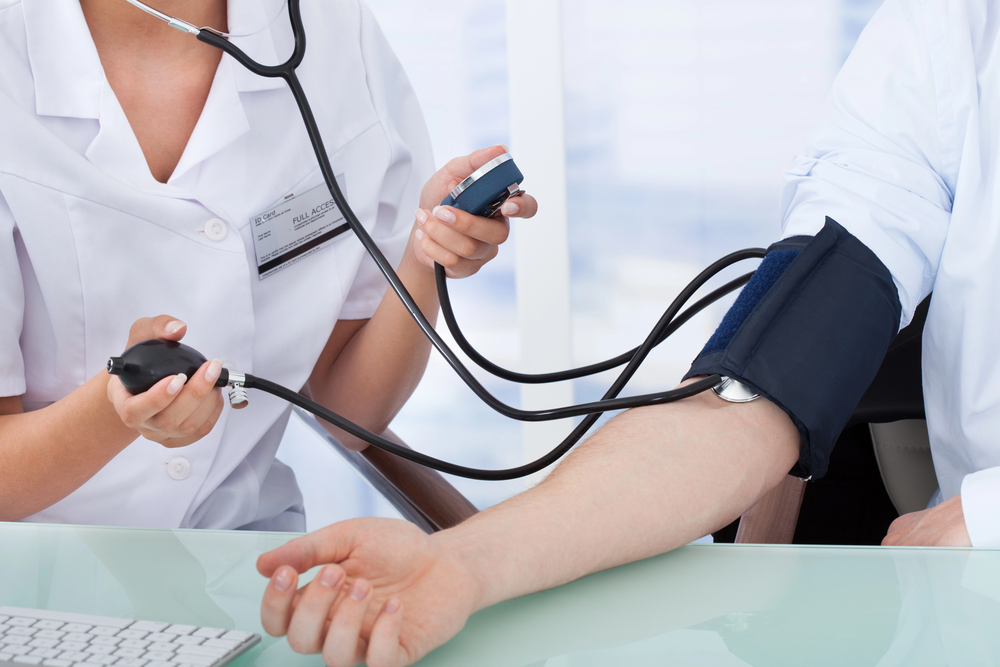
Blood pressure is measured with two numbers. The top number, called systolic pressure, reflects the force of blood against artery walls when the heart beats. The bottom number, called diastolic pressure, reflects the pressure when the heart rests between beats. According to current guidelines, normal blood pressure is less than 120/80 mmHg. Consistently elevated readings may indicate hypertension and should be discussed with a healthcare provider.
If left untreated, high blood pressure can have serious consequences. It increases the risk of heart disease, heart attack, stroke, kidney disease, vision problems, and cognitive decline. Hypertension forces the heart to work harder than normal, which can weaken the heart muscle and damage blood vessels throughout the body. Over time, this damage can lead to life-threatening complications and a reduced quality of life.
Fortunately, many effective treatment options are available. Commonly prescribed medications for high blood pressure include diuretics, ACE inhibitors, angiotensin receptor blockers (ARBs), beta-blockers, and calcium channel blockers. These medications help control blood pressure and reduce the risk of complications. Patients should always take medications as prescribed and consult their healthcare provider before making any changes.
In addition to medication, lifestyle changes are critical to blood pressure management. Maintaining a healthy weight, following a heart-healthy diet rich in fruits, vegetables, whole grains, and lean proteins, reducing sodium intake, exercising regularly, limiting alcohol, avoiding tobacco, and managing stress can all help lower blood pressure naturally. Even modest improvements in these areas can yield meaningful health benefits.
Maintaining normal blood pressure offers numerous benefits. It reduces the risk of cardiovascular disease, protects the kidneys and brain, boosts overall energy, and supports a longer, healthier life. Effective blood pressure control can also reduce healthcare costs associated with treating chronic illnesses and emergency medical events.
Monitoring blood pressure between doctor visits is often a good idea, especially for individuals with hypertension or those at higher risk. Home blood pressure monitors are widely available and can help identify trends, assess treatment effectiveness, and provide valuable information for healthcare providers. Regular monitoring, combined with healthy lifestyle choices and appropriate medical care, is one of the best ways to protect your health and prevent serious complications associated with high blood pressure.
Buffalo Medical Group Primary Care is accepting new patients at all locations. Call 716-656-4471 to schedule an appointment.