What to Know About Seniors and Vaccines
Parents know that vaccination is a key part of caring for young children. The American Academy of Pediatrics advises parents to vaccinate children against a range of diseases and conditions during the first 12 to 18 months of a child’s life, and that early immunization helps children build immunity at the best time — before they’re exposed to germs that can make them very sick.
But what about seniors and vaccines? Are immunizations still a vital part of a wellness routine in older adulthood? The National Institute on Aging (NIA) advises older adults to speak with their doctors or pharmacists about the vaccines they need, which may help prevent or reduce the severity of various diseases.
COVID-19.
The NIA notes that age is a risk factor for serious illness from COVID-19. Because COVID-19 is still relatively new, researchers are still learning about the effectiveness of vaccines against new variants of the virus. Older adults are more likely than younger people to become seriously ill from COVID-19, so it’s imperative that seniors discuss immunization against the virus with their physicians.
Influenza.
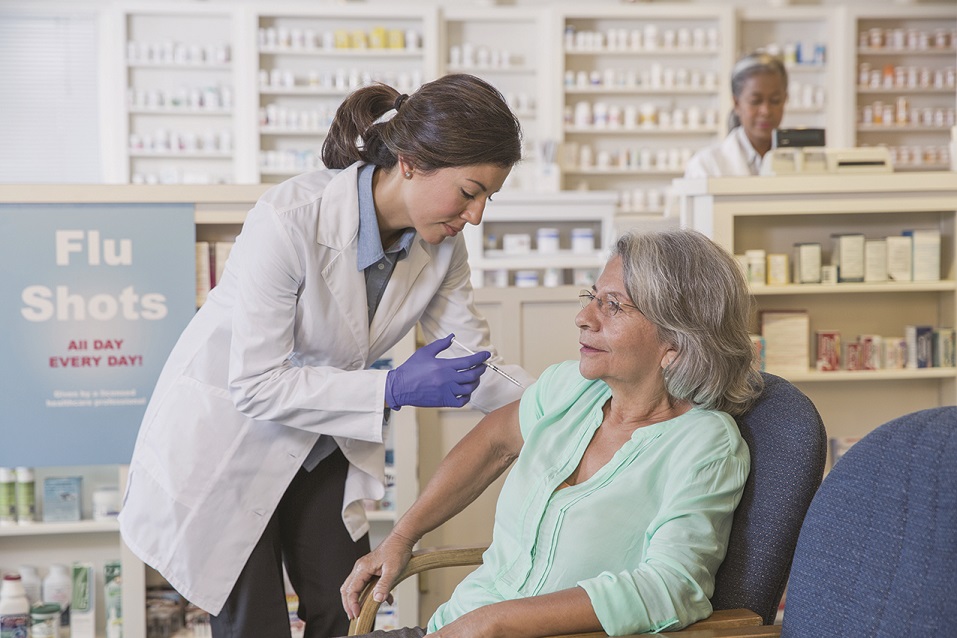
The World Health Organization reports that the flu kills as many as 650,000 people worldwide each year. A 2009 study in the journal Influenza and Other Respiratory Viruses found that most influenza-related deaths in industrialized countries occur among seniors age 65 and older. The flu spreads easily from person to person, and the NIA advises everyone age six months and older to get an annual flu vaccine. While protection from a flu vaccine can wane over time, particularly in older adults, a flu shot still reduces the likelihood of serious illness and/or hospitalization. The Centers for Disease Control and Prevention recommends that seniors age 65 and older receive a higher-dose or adjuvanted flu vaccine, the latter of which helps create a stronger immune response than a standard flu shot. Seniors are urged to speak with their physicians about which flu shot is right for them.
Respiratory syncytial virus (RSV).
The NIA indicates that RSV is a common virus that often produces mild, cold-like symptoms. However, older adults should know that they are at higher risk of developing severe symptoms if infected with RSV. The NIA notes that RSV can be particularly dangerous for older adults with chronic diseases or weakened immune systems. Hospitalization or even death can occur after severe RSV symptoms develop. RSV vaccines can prevent serious health problems, and the CDC urges seniors to speak with their physicians about immunization. Doing so before the peak RSV infection season, which is fall and winter, is ideal.
Pneumococcal disease.
The CDC advises that all adults age 50 and older receive a pneumococcal vaccination. Pneumococcal disease is a serious infection that the NIA notes often causes pneumonia. The risk of becoming very sick or dying from pneumococcal disease is higher among older adults than among younger people. There are different forms of the pneumococcal vaccine, and seniors can speak to their physicians about which one is best for them.
Immunization schedules begin shortly after birth, and seniors still have much to gain from vaccination.