Choosing the Best Foods for Backyard Birds
Feeding wild birds can be a popular and rewarding hobby that fosters a connection with nature, while helping to ensure that local wildlife receives the sustenance it needs to survive. According to the U.S. Fish and Wildlife Service, about 50 million Americans feed birds each year. When providing food for birds, it’s crucial to select quality foods to support their health and survival, especially during months with tough weather. Here are some factors to think about when offering food for birds.
When choosing bird feed, homeowners should look for options high in fat and protein. Black oil sunflower seeds (BOSS) are a popular choice because they provide high caloric value and are easily opened by a wide variety of species. The Cornell Lab of Ornithology reports that BOSS, which are small, thin-shelled seeds, attract more than 40 types of North American birds, making it the most universally accepted food. For smaller birds, like goldfinches and pine siskins, nyjer (thistle) seed is an ideal choice.
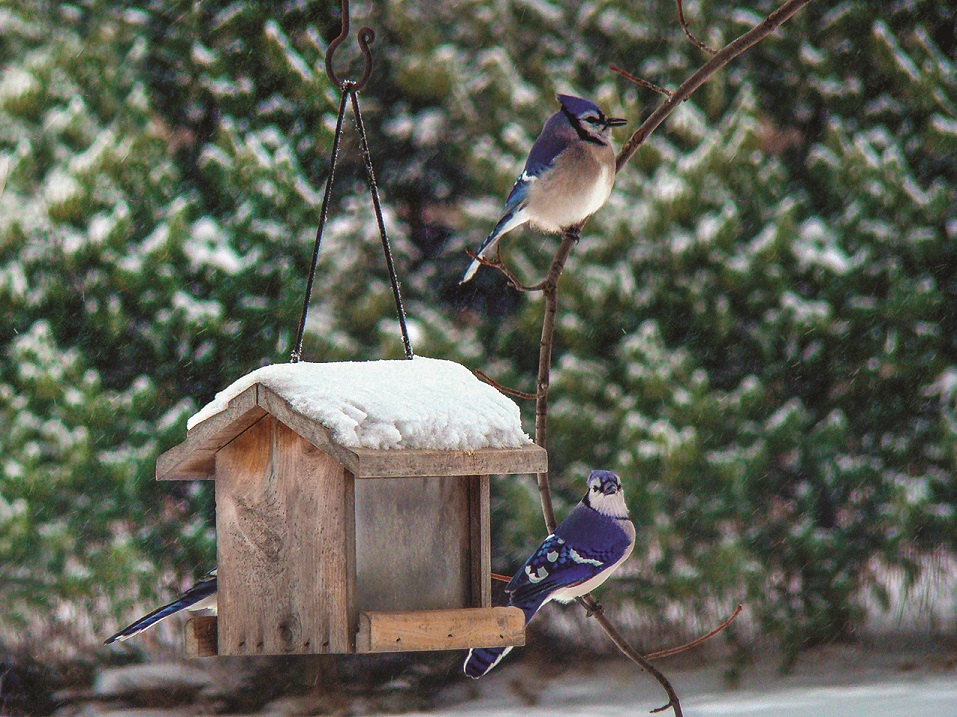
It’s crucial for birds in colder climates to maintain ample fat reserves to stay warm. Suet cakes, which are rendered beef fat mixed with seeds or fruit, can be a vital meal for birds. Suet provides essential calories for species like woodpeckers, nuthatches, and chickadees when insects are hard to find. Homeowners should opt for commercially produced suet cakes or raw suet, as homemade versions made from cooking grease might melt and cause feathers to mat, reducing their insulation. Shelled peanuts and crushed nut meats, which are the kernels of nuts, can provide high-energy fats for titmice and jays.
Bread products are highly discouraged as bird food, as they fill birds’ stomachs without supplying essential nutrients. Table scraps with too much salt or sugar should also be avoided.
Bird feeders can attract flocks, which can be enjoyable to observe. However, they also raise the risk of disease transmission among birds. The Audubon Society and similar conservation groups highlight that studies show poor feeder hygiene can increase the chances of diseases like salmonellosis. Feeders should be cleaned weekly with a mild bleach solution (one part bleach to nine parts water) and thoroughly dried before refilling. Spraying the area to wash away bird droppings can also help keep feeders and surrounding areas sanitary.
Choosing nutrient-rich, high-quality seeds and fats, along with keeping a clean feeding station, can help ensure a backyard remains a safe spot for wild birds. Those with more questions about what to feed birds should talk to a wild bird food retailer.