What Recent Vaccine Studies Are Showing
by Annette Pinder
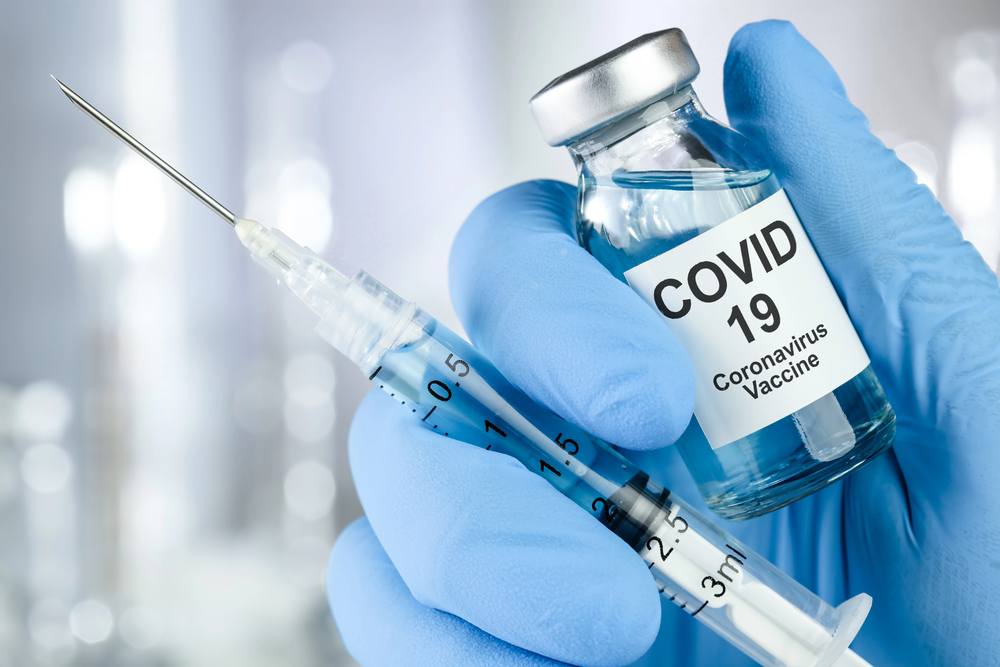
Recent reporting in The Washington Post raised concerns that federal agencies halted or delayed publication of studies involving COVID-19 and shingles vaccines. The debate over why those studies were not published is important, but the study findings are even more important, as research continues to show meaningful benefits and reassuring safety information.
According to the report, one COVID-19 vaccine safety study reviewed health outcomes after the 2023–24 vaccine in people ages 6 months to 64 years. An abstract from that study stated that no new safety concerns were found. Another unpublished CDC report reportedly found that last winter’s COVID vaccine reduced emergency department visits and hospitalizations among healthy adults by about half.
For older adults and people with underlying health conditions, that matters. COVID is no longer the emergency it was in 2020, but it can still cause severe illness, especially in people at higher risk. Vaccination does not prevent every infection, but studies continue to show that updated vaccines can reduce the risk of serious outcomes.
The shingles vaccine also offers important protection. The CDC recommends two doses of Shingrix for adults 50 and older, and for some immunocompromised adults 19 and older. CDC says Shingrix is about 97% effective at preventing shingles in healthy adults ages 50 to 69 and 91% effective in adults 70 and older. It is highly effective at preventing postherpetic neuralgia, the severe nerve pain that can linger after shingles.
The takeaway is not that vaccines are risk-free; no medical intervention is. Rather, patients deserve transparent, timely science so they can make informed decisions with their healthcare providers. For many people, especially older adults and those at higher risk, the evidence continues to support vaccination as an important tool for preventing serious illness.