The Changing Doctor–Patient Relationship in the Digital Age
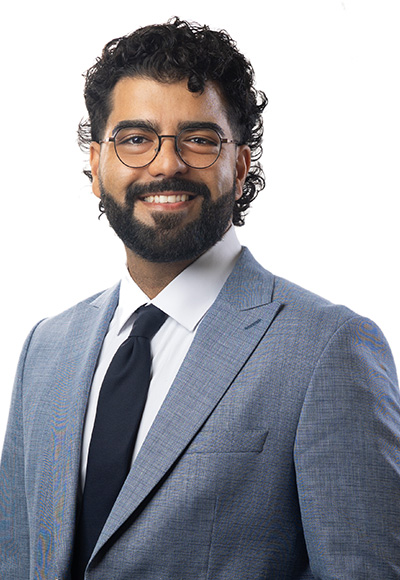
By Amar Alkhafaji, DPM
The doctor–patient relationship has always been based on trust, communication, and shared decision-making. However, in today’s digital age, that relationship is changing in ways that are both exciting and challenging—especially for younger physicians starting their careers.
Patients today arrive at appointments more informed than ever before. A quick internet search can provide pages of information about symptoms, diagnoses, treatments, and outcomes. While access to information can empower patients to take an active role in their health, it can also cause confusion, anxiety, and unrealistic expectations. Online content often lacks nuance, context, or personalization and may not reflect the most current or evidence-based medical guidance or an appropriate treatment tailored to their specific needs.
As a younger practitioner, I’ve learned that navigating this landscape requires careful balancing. Patients might refer to social media posts, online forums, or influencer recommendations, sometimes giving these sources as much weight as professional medical advice. They often arrive with preset expectations based on a surgery commercial or video. This shift has changed the dynamic from one in which physicians were the primary gatekeepers of information to one in which our role increasingly involves interpretation, clarification, and education.
Social media has also changed how medicine is viewed. Platforms like Instagram, TikTok, and YouTube highlight quick fixes, dramatic before-and-after images, and simplified explanations of complex conditions. While these platforms can be useful for education and outreach, they can also blur the line between trustworthy medical information and marketing-driven content. Industry influence—whether through sponsored posts, brand partnerships, or product promotion—can make it harder for patients to tell what is truly in their best interest. Many factors are missing.
In this environment, trust must be actively built and maintained. Patients want to feel heard, respected, and included in decisions about their care. Taking the time to discuss what they’ve read online—without dismissing their concerns—is essential. When patients understand why a particular treatment is recommended and how it applies to them specifically, they are more likely to feel confident and engaged in their care.
For younger physicians, transparency and authenticity are especially important. Patients may assume less experience based solely on the physician’s age, but they also value openness, approachability, and a willingness to collaborate. Combining current medical training with clear communication helps bridge generational gaps and builds confidence in the doctor–patient relationship. Ultimately, the digital age has not diminished the importance of this relationship; it has simply transformed it.
While technology and online information will continue to influence healthcare, the core values of empathy, expertise, and trust remain unchanged. By fostering informed conversations and guiding patients through the noise, I aim to strengthen relationships by providing care that is both modern and deeply human.
Amar Alkhafaji is a Doctor of Podiatric Medicine at Excelsior Orthopaedics, specializing in podiatric conditions, foot injuries, and both simple and complex cases, including ingrown toenails, bunions, ankle fractures, and diabetic ulcers. Read about Dr. Alkhafaji at https://www.excelsiorortho.com/doctor/amar-k-alkhafaji-dpm, and call 716-250-9999 to make an appointment.