Hantavirus: Should People in WNY Be Worried?
By Annette Pinder
Recent news about hantavirus has raised questions about its risk and whether people in Western New York should be concerned. The answer is reassuring yet important: hantavirus is very rare, especially in the eastern United States, but it can be serious, so prevention matters.
According to the CDC, hantaviruses are a family of viruses primarily transmitted by rodents, including mice and rats. People can become infected by inhaling dust contaminated with rodent urine, droppings, or saliva, especially when cleaning enclosed spaces such as sheds, cabins, garages, barns, or storage areas. Rarely, infection can occur through a rodent bite or scratch.
The most serious form in the United States is hantavirus pulmonary syndrome (HPS), which affects the lungs. Early symptoms may include fever, fatigue, muscle aches, headache, dizziness, chills, nausea, vomiting, diarrhea, or abdominal pain. Later symptoms can include coughing and shortness of breath. The CDC says HPS can be deadly, with about 38% of people who develop respiratory symptoms dying from the illness.
However, hantavirus remains uncommon. The CDC reports 890 laboratory-confirmed cases in the U.S. from 1993 through 2023, with 94% occurring west of the Mississippi River. This indicates that the risk in WNY is low, but not zero.
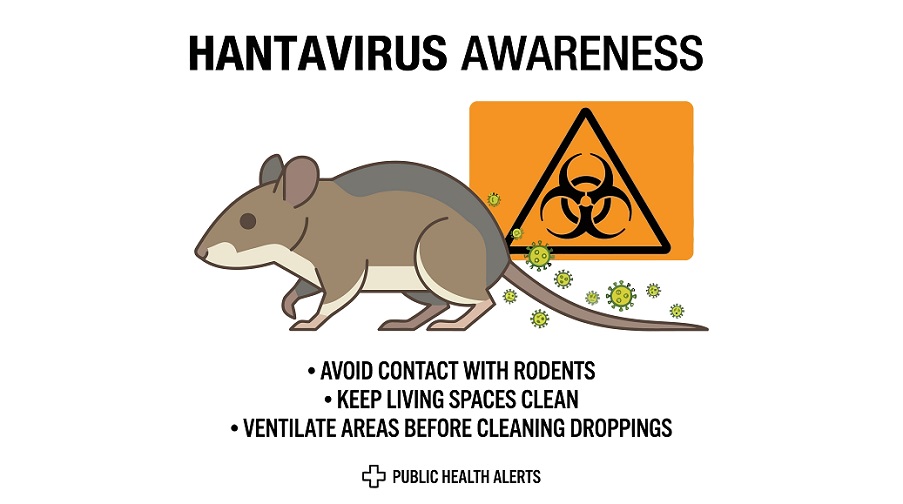
The best protection is to avoid rodent exposure. Seal holes and gaps in homes, garages, camps, and sheds. Store food securely, reduce clutter, and address infestations promptly. Do not sweep or vacuum rodent droppings, as this can release virus particles into the air. Wet contaminated areas with disinfectant, wear gloves, and ventilate the space.
Anyone who develops flu-like symptoms and difficulty breathing after rodent exposure should seek medical care promptly and mention the exposure. The message is simple: don’t panic, but take rodent cleanup seriously.