
The Purrfect Guide to Helping Cats Adjust to A New Home
Compliments of the Niagara Frontier Veterinary Society
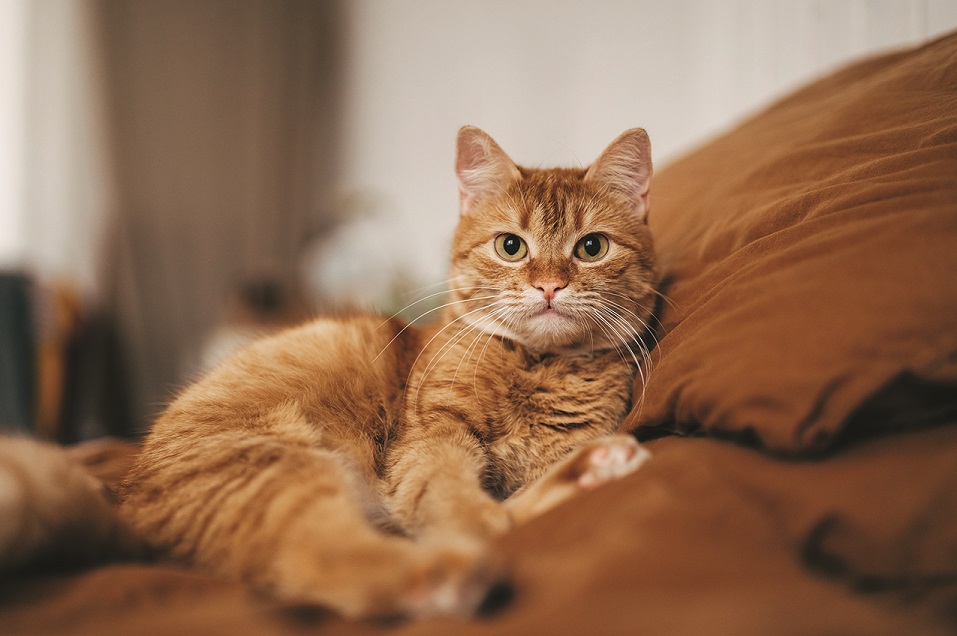
Welcoming a new cat into the family is a milestone that can be exciting for adults and children alike. But relocating to a new home can trigger sensory overload for a new feline friend. Companion animals thrive on routine and can be territorial. Therefore, moving them can be akin to a person navigating a jungle without a map.
The American Society for the Prevention of Cruelty to Animals reports that approximately 3.2 million cats enter U.S. shelters each year. That means millions of cats need new homes. The Niagara Frontier Veterinary Medical Association notes that cats now live in roughly 25% of American households. Understanding the scope of cat ownership and how to help cats adjust to a new home is key to a successful transition.
Limit access.
A common mistake among new cat owners is giving a cat the full run of the home right away. Instead, it is better to set aside a small, quiet space that the cat can treat as a sanctuary. This room, such as a spare bedroom or an out-of-the-way laundry room, should be stocked with food, water, a litter box, and a scratching post. Including hiding options, such as a cardboard box or a covered bed, will help the cat feel safe. Cat owners may also want to place pieces of their clothing or a toy from another pet in the home so the cat can get used to everyone’s scent.
Follow the “rule of three.”
Animal behaviorists often refer to the 3-3-3 rule, or the “rule of three,” to help pet parents set realistic expectations. The first three days will be when the cat decompresses. They may hide and refuse to eat as they process the move to a new home. The next milestone is at three weeks, when the cat begins to realize that this home is safe. This is when their true personality may emerge, and they may be more inclined to explore their safe space. By three months, the cat should feel a sense of ownership of the home and likely has formed a strong bond with their humans.
Expanded exploration.
Once the cat seems more confident, is eating regularly, and is greeting homeowners, it may be time to offer more freedom to roam. Opening the door from the safe space into the rest of the house will allow the cat to explore at their own pace. Pet parents should never force the cat to leave; let them do everything when they are ready. The ASPCA says that using synthetic pheromone diffusers in main living areas can mimic the happy markers cats leave when they rub their cheeks on things. This helps send a chemical signal that the environment is safe and may help the process along.
Going slowly, creating safe spaces, and understanding that a cat may initially be overwhelmed in a new home will help guide the transition when a cat is welcomed home.
The Niagara Frontier Veterinary Society consists of 75 small animal hospitals and 200 practitioners in Erie and Niagara counties. Learn more at www.nfveterinarysociety.org.