
Positive Adult Role Models Benefit Kids
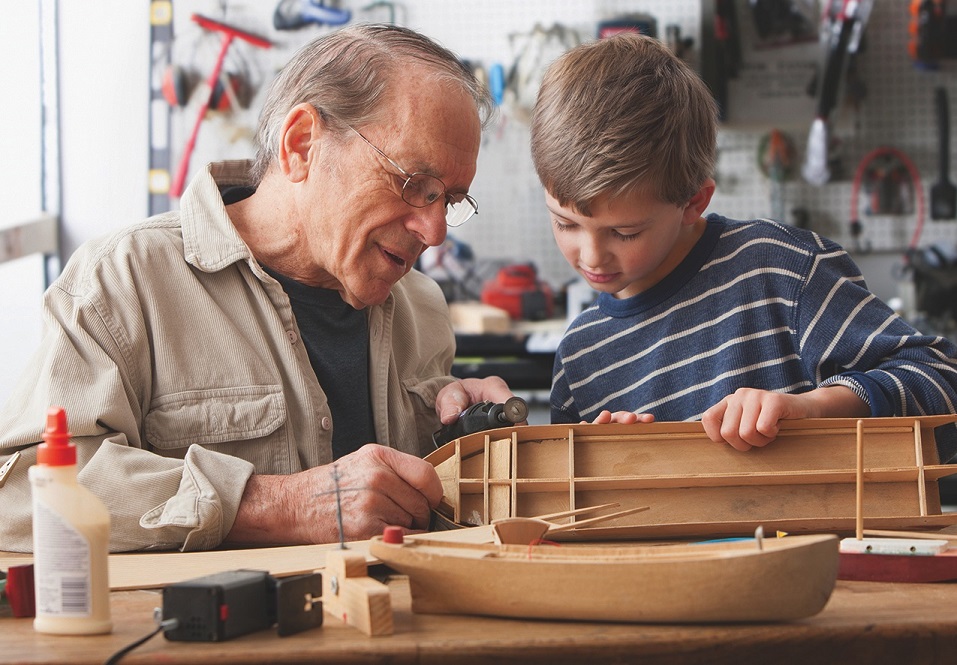
Children begin learning about life early on from the people who surround them. From an early age, youngsters mimic their parents and look to caregivers for guidance and to model proper behavior.
According to Words Alive, an organization inspiring a commitment to reading for life success, 90% of a child’s brain develops by age five. During these first five years, abilities such as motivation, problem-solving, communication, and self-regulation are formed. Having the right role models in a child’s life who influence them during these formative years can lay the foundation for success.
What is a role model?
A role model is a person whose behaviors are emulated by others, according to Connections Academy® by Pearson. When a child has a positive role model, there is a greater likelihood that the child will engage in constructive behavior that mirrors that person.
Why are positive role models important?
Adult-child interactions can shape an individual. The Center on the Developing Child at Harvard University noted that if an adult’s responses to a child are inappropriate or unreliable, the child’s brain architecture may be disrupted and their emotional health impaired. Conversely, when children have positive influences in their lives who respond appropriately to a child’s behavior, the opposite is true.
Choosing safe adults.
It is vital to surround children with safe adults who can serve as positive role models. According to Perpetrators of Sexual Violence: Statistics by RAINN, 93% of juvenile sexual abuse cases involved a perpetrator known to the child, and 34% were family members. Safe adults model healthy behaviors and actions to set an example for the child. Although a child’s uncle may be a beloved family member, that person may not necessarily be the best person to be alone with or to interact with the child frequently.
What are good role model behaviors?
The following are some key characteristics of a positive role model.
- Lives a healthy lifestyle that focuses on physical and mental well-being. This is a person who eats healthy meals, leads an active lifestyle, and makes good health choices, such as not smoking or drinking alcohol to excess.
- Treats others with respect and practices self-awareness of behavior. When the role model makes a mistake, he or she owns it and tries to remedy it.
- Establishes goals and demonstrates a commitment to values. A good role model is passionate about their work, has a strong work ethic, and demonstrates confidence.
- Tries to keep a positive attitude and is accepting and supportive of others.
- A positive role model may also consider the kinds of people they looked up to when they were younger and the traits those people exhibited. Then those similar traits can be applied when interacting with children and adults.
Positive role models can impact children’s development and put them on the path to becoming well-adjusted, positive, and dedicated members of society.