Sarcoma Awareness Month: Why Recognizing This Rare Cancer Matters
By Annette Pinder
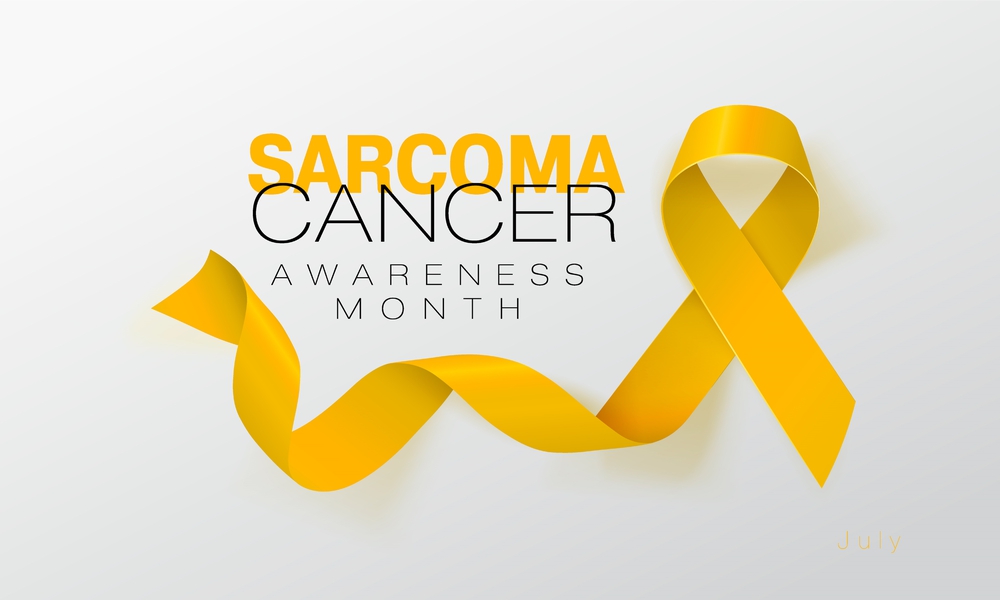
July is Sarcoma Awareness Month, a time to raise awareness of a group of rare cancers that many people know little about until they or a loved one is affected. Although sarcomas account for only about 1% of adult cancers, they represent nearly 20% of cancers diagnosed in children, underscoring the importance of education and awareness.
According to the Sarcoma Foundation of America, sarcoma is not a single disease but an umbrella term for more than 100 types of cancer that arise in connective tissues, including muscles, bones, cartilage, fat, blood vessels, tendons, and nerves. Because these cancers can occur almost anywhere in the body, they are often difficult to recognize and diagnose.
The American Cancer Society estimates that nearly 14,000 Americans will be diagnosed with soft tissue sarcoma this year, and thousands more will be diagnosed with bone sarcomas. Although considered rare, sarcoma affects people of all ages, from young children to older adults.
One of the challenges with sarcoma is that symptoms are often subtle, especially in the early stages. According to the Sarcoma Foundation, many people first notice a painless lump or swelling that gradually grows. Others may experience persistent pain, tenderness, or reduced mobility in the affected area. Experts caution that these symptoms are often mistaken for sports injuries, arthritis, or other common conditions. According to Johns Hopkins Medicine, warning signs that should not be ignored include a lump that continues to grow, unexplained pain that persists, swelling, limited range of motion, or a bone fracture that occurs without significant injury. Individuals who notice these symptoms should seek medical evaluation promptly.
While most sarcomas occur without a known cause, researchers have identified several factors that may increase risk. According to Johns Hopkins Medicine and the Sarcoma Foundation, previous radiation therapy, certain inherited genetic syndromes, chronic lymphedema, and exposure to some industrial chemicals have been associated with a higher risk of developing sarcoma. However, many people diagnosed with sarcoma have no identifiable risk factors.
There is encouraging news for patients and families facing a sarcoma diagnosis. Advances in genetic testing and precision medicine are helping physicians better understand the unique characteristics of individual sarcoma subtypes. Researchers increasingly use molecular profiling to identify targeted therapies that may be more effective for specific patients. These advances are expanding treatment options and improving outcomes for many individuals living with the disease. Treatment often involves a combination of surgery, radiation therapy, chemotherapy, targeted therapies, and, in some cases, immunotherapy. According to the National Cancer Institute, outcomes are generally better when sarcoma is diagnosed and treated early, before it has spread to other parts of the body.
Although sarcoma is rare, awareness can save lives. During Sarcoma Awareness Month, healthcare professionals urge people not to ignore unusual lumps, persistent pain, or unexplained swelling. Early detection remains one of the most important factors in successful treatment. For more information about sarcoma, visit the Sarcoma Foundation of America at curesarcoma.org or the National Cancer Institute at cancer.gov.