
Are You Hypersensitive to Sound? You Could Have Hyperacusis!
By Annette Pinder
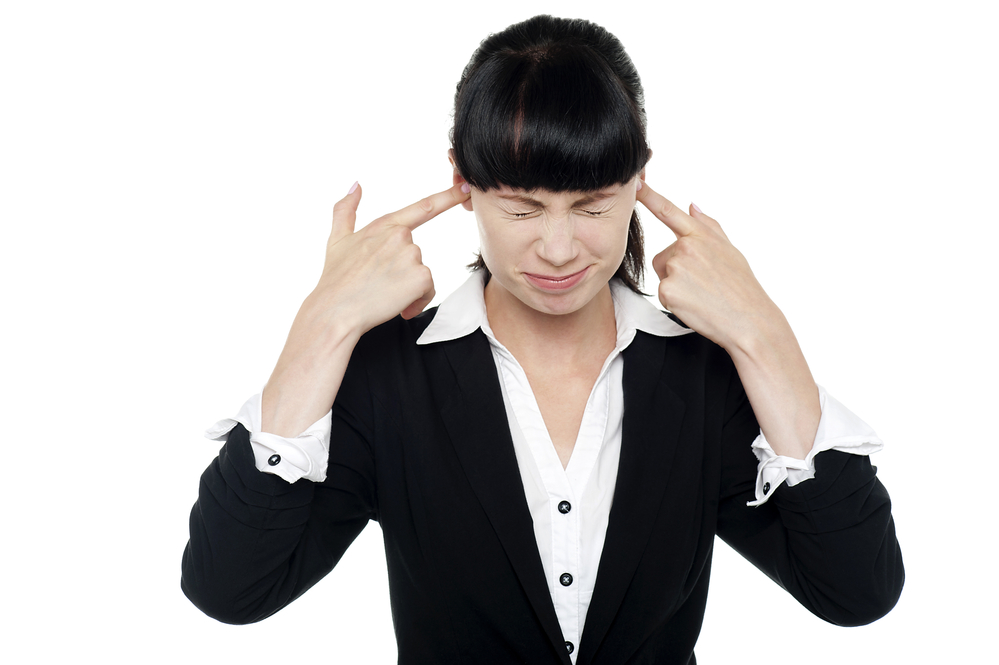
Does the sound of someone running water, turning the pages of a newspaper, or even someone speaking at a normal volume seem unusually loud to you? If so, you might have hyperacusis, a rare condition also called decreased sound tolerance (DST). People with DST often feel irritable and anxious, and they may avoid social situations to reduce their sensitivity to sound. According to the Cleveland Clinic, as many as 3.2% to 17.1% of children and adolescents, and 8% to 15.2% of adults, have DST. There is no scientific way to measure DST, but researchers believe it could be related to how a person’s brain structures control sound perception. They also think it may result from damage to the auditory nerve system that carries sound signals from the inner ear to the brain, or possibly facial nerve damage, since the facial nerve controls the muscles that regulate sound intensity.
The Cleveland Clinic notes that DST is more commonly found in individuals who have been exposed to loud music for extended periods, such as rock musicians or construction workers. About 90% of people with DST also experience tinnitus, and nearly 50% suffer from other conditions like anxiety, depression, autism, Lyme disease, Ménière’s disease, migraines, post-traumatic stress disorder (PTSD), temporomandibular joint syndrome (TMJ), and Williams Syndrome. Some people develop DST after surgery or as a reaction to medication.
Getting a clear diagnosis of DST can be difficult, but audiologists can help identify the issue. Treatment usually aims to reduce physical symptoms and teach coping skills, such as sound therapy, cognitive behavioral therapy, and tinnitus retraining therapy. People with DST caused by facial nerve paralysis might benefit from surgery. Although there is no cure, symptoms can improve over time depending on the root cause. For instance, patients with Ménière’s disease often improve if the condition goes into remission. The Cleveland Clinic notes that “DST is not a mental illness, but rather a hearing disorder that is also commonly associated with mental health conditions, such as anxiety and depression.”
It is important to see a healthcare provider if you perceive sounds as unusually loud and bothersome, especially when most people hear normally. You should also avoid trying to drown out the sound with noise-canceling headphones or earplugs, as this may only worsen your symptoms. While it may take some time to find out what’s causing your condition, sound therapy and cognitive behavioral therapy have helped people with DST manage their symptoms. It is also crucial to determine if an underlying condition is causing your DST, because help is available.
Buffalo Hearing & Speech Center audiologists have expertise in a variety of hearing-related issues, including assisting with hearing aids, whether or not you are a current patient. Visit www.askbhsc.org to learn more about their services, including different clinic locations. To schedule an appointment, call 716-885-8318.