
Autumn Anxiety: Why Fall Can Leave You Feeling Uneasy
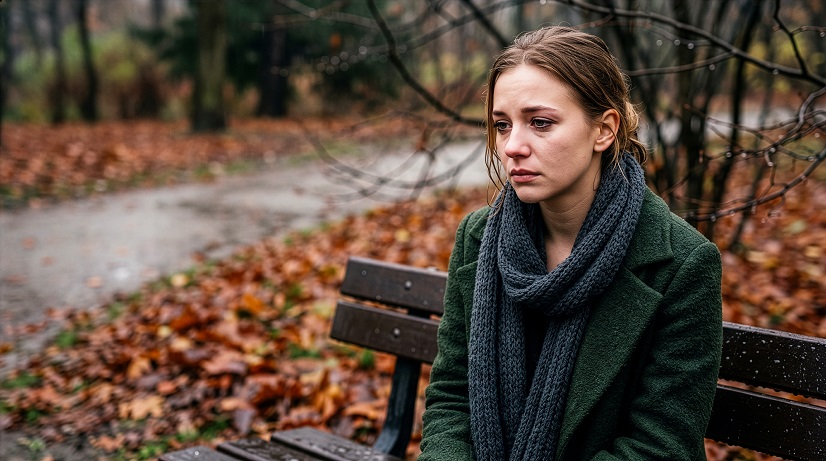
Fall is a favorite season for many people—colorful leaves, crisp air, football, and the return of familiar routines. But for others, autumn brings something less welcome: an unexplained sense of anxiety, sadness, or uneasiness.
Sometimes called “autumn anxiety,” it isn’t an official medical diagnosis. Rather, the term describes feelings that some people experience as summer ends and fall begins. Symptoms can include excessive worry, irritability, fatigue, low mood, difficulty concentrating, changes in sleep, or simply feeling that something isn’t quite right.
There may be several reasons.
Less daylight.
As fall progresses, we get fewer hours of natural light. The National Institute of Mental Health (NIMH) explains that seasonal changes in daylight can affect serotonin and melatonin, which influence mood, sleep, and the body’s daily rhythms. For some people, these changes contribute to seasonal affective disorder (SAD), a form of depression with a recurring seasonal pattern.
But feeling different in autumn doesn’t necessarily mean you have SAD. The transition itself can be challenging.
Summer is over.
Summer often represents freedom—vacations, outdoor gatherings, long evenings, and a break from normal routines. Its ending can create a surprising sense of loss. Some people also look back and realize they didn’t take the vacation, see the friends, or accomplish everything they had planned.
Life speeds up.
Fall means returning to school, busier work schedules, children’s activities, earlier sunsets, and less spontaneous time outdoors. Even positive changes require adjustment.
The holidays are coming.
Thanksgiving and the December holidays may seem far away, but anticipation can begin much earlier. Financial pressures, family conflicts, loneliness, grief, travel, and expectations to feel cheerful can all generate anxiety.
Fortunately, you can make the transition easier.
Take advantage of daylight whenever possible. A morning or lunchtime walk can provide both natural light and physical activity. Maintain regular sleep and wake times, continue exercising, stay socially connected, and resist the temptation to retreat indoors simply because the weather is changing.
It may also help to change the way you think about fall. Instead of focusing entirely on what is ending, intentionally add something enjoyable to the season—a weekly walk, exercise class, dinner with friends, new hobby, fall day trip, or simply a comfortable evening ritual at home.
Most importantly, watch for patterns. Occasional sadness about summer ending is different from depression that persists or interferes with everyday life. NIMH advises talking with a health care professional when seasonal mood changes become significant.
Fall doesn’t have to be something we simply endure until spring. Recognizing why the changing season affects us—and taking steps early—may help us enjoy what’s arriving rather than only mourning what’s gone.