
Spot the Signs of Cyberbullying
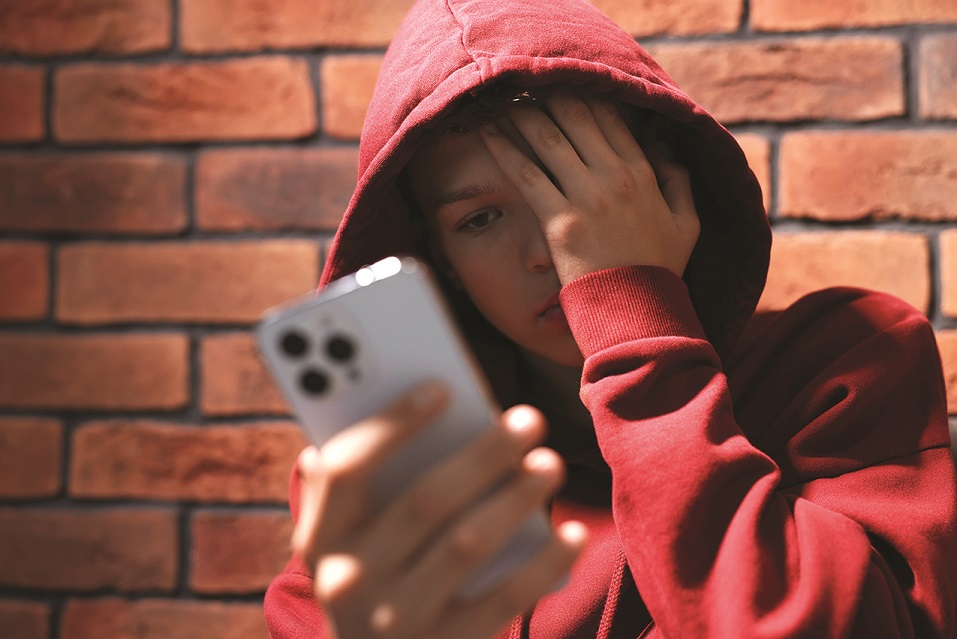
Bullying occurs in schools around the globe. With the prevalence of digital devices and the internet, bullying can now reach children at home even when the bully isn’t physically present.
A World Health Organization study found that roughly one in six school-aged children experience cyberbullying. In the United States, up to 46% of teens have encountered abusive online behaviors, according to the Pew Research Center. Recognizing cyberbullying isn’t always easy. Here are common warning signs, courtesy of StopBullying.gov and the Cyberbullying Research Center.
- Online behavior changes. A child who once spent considerable time online but suddenly avoids devices may be experiencing cyberbullying. Becoming upset, anxious, angry, or jumpy when receiving texts or checking social media can also be a sign. Children may hide their phones, become secretive about online activity, or abruptly delete or create social media accounts.
- Emotional indicators. A child being bullied may withdraw from friends, family, and activities they previously enjoyed. They may resist going to school, feign illness, or find reasons to stay home. Unexplained anger, persistent sadness, or irritability can also be warning signs.
- Academic performance declines. Falling grades or difficulty concentrating or completing schoolwork may indicate bullying.
- Sleep or appetite changes. Cyberbullying may contribute to difficulty sleeping, frequent nightmares, or significant changes in eating habits.
If parents suspect cyberbullying, they should document evidence, including screenshots, messages, posts, and timestamps. They can offer nonjudgmental support and reassure children they won’t lose device privileges for coming forward. Parents may also involve the school or authorities if bullying includes threats of violence, explicit material, or extortion.
Cyberbullying affects many children, making it important for parents and teachers to recognize the warning signs and respond.