
Symptoms of Radon Exposure
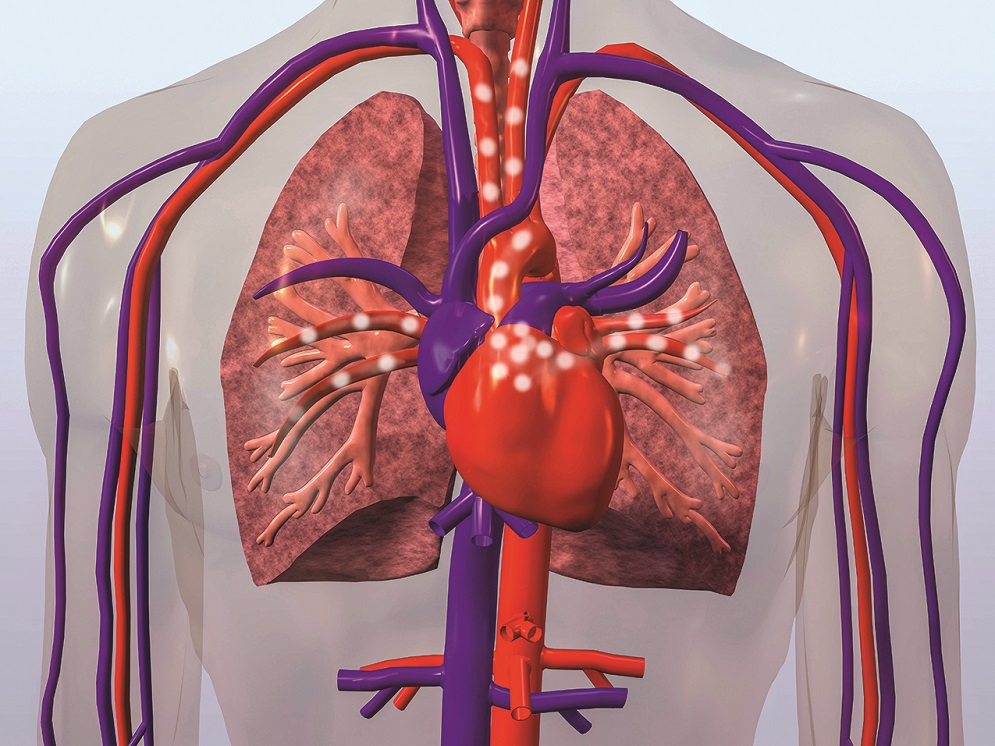
Although radon occurs naturally, it can still harm human health. One risk of radon is that it cannot be seen, smelled, or tasted. Additionally, it may take years for radon exposure to cause symptoms.
What is radon?
Radon is a naturally occurring, colorless, odorless, radioactive gas, according to the Cleveland Clinic. It forms when uranium, a heavy metal found in the ground and most rocks on Earth, decays into radium. When radium breaks down, it turns into radon.
Generally, radon is present in very small amounts outdoors in the air and water, so it isn’t harmful. However, if radon becomes concentrated, it can be toxic with high and prolonged exposure.
Are there symptoms of radon exposure?
Initially, a person may not realize that radon is a problem. Radon can enter the lining of the lungs when breathed in and emit radiation. Over time, that radiation can damage lung cells and lead to lung cancer, according to WebMD. In fact, radon is the second leading cause of lung cancer after cigarette smoking.
Radon poisoning symptoms may start subtly, making it hard to link them to any problem until they last for a while. Usually, there are no symptoms until lung cancer develops and reaches an advanced stage. However, people should watch for a prolonged cough, bloody mucus, unexplained weight loss, chest pain, shortness of breath, wheezing, and persistent chest discomfort. Frequent infections such as bronchitis and pneumonia are also warning signs.
Is radon more common in certain areas?
Some types of soil are more permeable than others, which allows radon gas to pass through more easily, says WebMD. Other soils may have higher levels of radon. Soil that is dry, cracks when dry, is on a slope or hill, or is thin with bedrock close to the surface may contain excessive amounts of radon.
In the United States, Alaska, South Dakota, Pennsylvania, and Ohio have the highest average radon levels, as does Western New York, where Erie, Niagara, Chautauqua, and Cattaraugus are among the New York counties with high radon measurements.
Radon gas seeps into a home from the soil and rock beneath it through cracks in the foundation, basement walls, and floors. It is the second leading cause of lung cancer in the United States and is a risk for both smokers and non-smokers.
The New York State Department of Health recommends testing all homes for radon. You can purchase an inexpensive test kit from a local retailer or order one from the New York State Department of Health website. If tests show high levels, the home can be fixed through radon mitigation. This involves sealing cracks and installing a system to vent the gas outside. You should test your home every few years, especially after renovations or if a mitigation system is installed.
Although naturally occurring, radon poses a threat to lung health. Because damage happens over many years, it is crucial to detect radon early to prevent prolonged exposure.