
Understanding Glaucoma: Protecting Your Sight with Early Detection
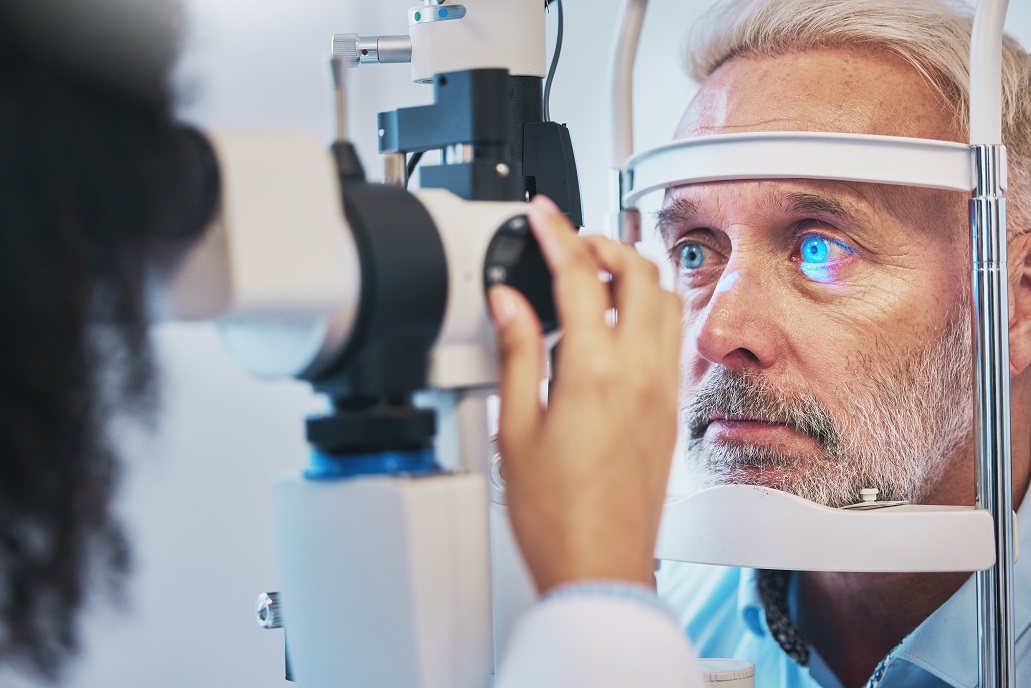
Courtesy of Eye Care Vision Associates
Glaucoma is a leading cause of irreversible blindness worldwide, often progressing silently until significant vision loss occurs. In the United States, millions live with glaucoma, yet nearly half are unaware they have it. Since early symptoms are subtle—or completely absent—routine eye exams are vital. At Eye Care Vision Associates, providers focus on early detection and personalized treatment to help preserve patients’ vision for life.
Glaucoma refers to a group of eye diseases that harm the optic nerve, the essential link between the eye and the brain. The most common type is primary open-angle glaucoma, where pressure increases inside the eye because fluid doesn’t drain properly. Over time, this higher pressure can constrict or damage the optic nerve. Angle-closure glaucoma, though less common, happens when the eye’s drainage angle suddenly becomes blocked. This type can lead to rapid vision loss and requires immediate medical attention.
Early glaucoma usually has no pain or noticeable vision changes. Many patients continue to see clearly without realizing their peripheral vision is gradually narrowing. As the disease progresses, people may notice problems with night vision, blind spots, or difficulty adjusting to changes in lighting. Because symptoms often appear only after substantial nerve damage has happened, glaucoma is often called the “silent thief of sight.”
Several factors increase a person’s risk. People over age 60, African Americans over 40, and those with a family history of glaucoma are at higher risk. Individuals with diabetes, severe nearsightedness, a history of eye injury, or long-term steroid use are also more vulnerable. Comprehensive eye exams—especially those that measure eye pressure, evaluate the optic nerve, and assess peripheral vision—are essential tools for detecting glaucoma early.
The good news is that glaucoma can be effectively managed when detected early. Treatment aims to lower eye pressure to prevent or slow down further optic nerve damage. Depending on the type and severity of glaucoma, a patient’s care plan may include prescription eye drops, oral medications, laser therapy, or minimally invasive glaucoma surgery. Today’s advanced diagnostic technology enables eye care specialists to monitor changes over time and customize treatment to each patient’s unique needs.
At Eye Care Vision Associates, experienced ophthalmologists and optometrists utilize advanced diagnostic tools such as optical coherence tomography (OCT), retinal imaging, and visual field testing. Their team provides compassionate, comprehensive care for patients at all stages of glaucoma—from early screening to ongoing management. With office locations in Williamsville, Orchard Park, Buffalo, and Niagara Falls, they make it convenient for individuals to access expert eye care close to home.
Protecting your vision starts with awareness and preventive care. Adults should have a comprehensive eye exam every one to two years, or more often if they are at higher risk. If you have concerns about glaucoma or notice changes in your vision, the specialists at Eye Care Vision Associates are ready to assist. Early diagnosis is the best way to prevent vision loss—and taking that step today can help preserve your sight for many years to come. Learn more at https://www.ecvaeyecare.com or call 716-632-EYES (3937).